









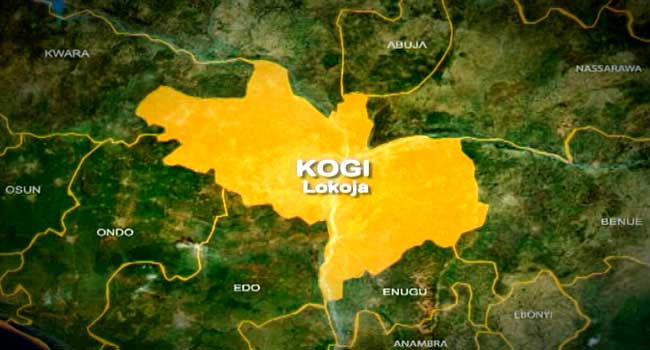
Paragraph 1: The Arrest and Arraignment of Austin Okai
Austin Okai, a prominent figure in the People’s Democratic Party (PDP) and a former House of Representatives member from Kogi State, found himself at the center of a legal storm following accusations of cyberstalking and criminal defamation against the state’s governor, Alhaji Ahmed Ododo. The controversy erupted after Okai allegedly posted on social media claiming that Governor Ododo had misappropriated billions of naira intended for local governments and other government agencies within the state. This prompted swift action from the Department of State Services (DSS), leading to Okai’s arrest from his residence and subsequent arraignment before Chief Magistrate Abdullahi Musa-Mopa at the Lugard Chief Magistrate Court in Lokoja.
Paragraph 2: The DSS’s Case and Justification for Remand
During the court proceedings, Izo Isaac, the prosecuting counsel representing the DSS, outlined the charges against Okai, emphasizing the allegations of cyberstalking and criminal defamation stemming from the social media posts. Isaac stressed the importance of adhering to legal procedures and ensuring that Okai was not held in custody beyond the stipulated 48-hour period without a court order, in accordance with Nigeria’s Criminal Justice System. The DSS sought the court’s approval to remand Okai at a correctional center, arguing that this was necessary to allow them sufficient time to thoroughly investigate the allegations against him.
Paragraph 3: The Magistrate’s Ruling and Implications
Chief Magistrate Musa-Mopa, having heard the arguments presented by the DSS, ruled in favor of the remand application, ordering Okai’s detention at the Federal Correctional Centre in Kabba. This decision effectively granted the DSS the opportunity to conduct a more comprehensive investigation into the matter while Okai remained in custody. The magistrate’s ruling underscored the seriousness of the allegations and paved the way for a potentially protracted legal battle.
Paragraph 4: The Broader Political Context
This incident unfolded against the backdrop of political tensions in Kogi State, particularly between the ruling party and the opposition. Okai’s prominent role in the PDP and his outspoken criticism of the governor positioned him as a vocal opponent of the current administration. His arrest and the subsequent legal proceedings are likely to be interpreted within this broader political context, potentially raising concerns about freedom of expression and the use of legal mechanisms to silence dissenting voices.
Paragraph 5: The Significance of Social Media in Political Discourse
The case also highlights the growing influence of social media as a platform for political discourse and the potential legal ramifications of online pronouncements. Okai’s alleged use of social media to accuse the governor of financial impropriety underscores the power of these platforms to disseminate information rapidly and widely. However, it also raises questions about the responsible use of social media, the verification of information shared online, and the potential for such platforms to be used for defamation and other illegal activities.
Paragraph 6: Legal and Ethical Considerations
The ongoing legal proceedings against Okai raise a number of important legal and ethical questions. The balance between freedom of expression and the protection of reputation is central to the case. While individuals have the right to express their opinions, this right must be exercised responsibly and within the bounds of the law. The case also underscores the importance of due process and the need to ensure that individuals accused of crimes are afforded a fair trial. The outcome of this case is likely to have significant implications for the political landscape in Kogi State and could set a precedent for future cases involving online speech and political figures.









