









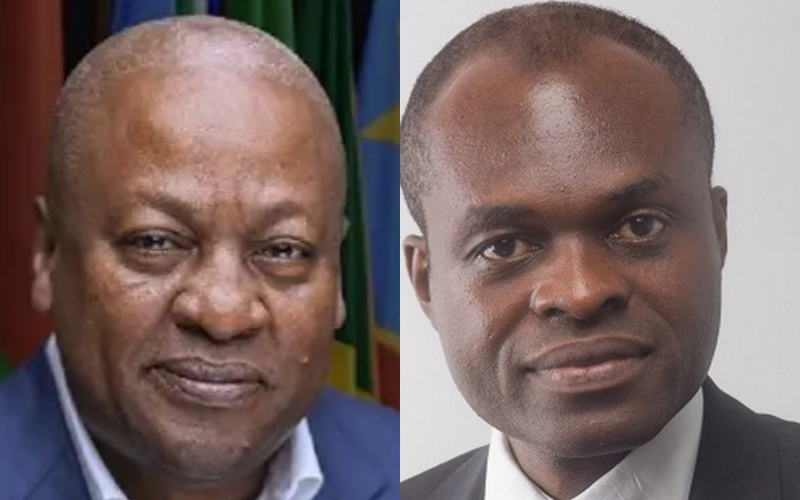
Martin Kpebu, a private legal practitioner, has issued a cautionary message to the Ghanaian public, urging them to temper their expectations and refrain from premature celebrations regarding the current political climate. He draws a parallel with the initial wave of optimism that accompanied President Akufo-Addo’s assumption of office in 2017, which ultimately gave way to disillusionment as the administration struggled to meet the high expectations set during the campaign and early days of governance. Kpebu emphasizes the crucial need for sustained observation and accountability, reminding citizens that genuine progress unfolds over time and requires consistent evaluation of performance. His message underscores the importance of avoiding the trap of emotional responses to political rhetoric and maintaining a focus on tangible outcomes and consistent delivery of promises. He promotes a vigilant citizenry that demands accountability and resists being swayed by short-term displays or pronouncements.
Kpebu’s warning against early celebration serves as a reminder of the cyclical nature of political enthusiasm. Often, new administrations benefit from a honeymoon period where public goodwill and optimism are high. This period can be characterized by a sense of hope and anticipation for positive change. However, this initial euphoria can be fleeting if not substantiated by concrete actions and demonstrable progress. The danger, Kpebu suggests, lies in mistaking early promises and pronouncements for actual achievements. He highlights the importance of critical thinking, urging citizens to look beyond the surface and evaluate the long-term implications of policies and actions. The focus, he argues, should be on sustained improvement and tangible results rather than superficial displays of progress or emotionally charged rhetoric.
The legal practitioner’s call for patience echoes a broader concern about the nature of political discourse and public engagement. In the age of instant communication and social media, political narratives often prioritize short-term gains and immediate gratification over long-term planning and sustainable development. This can lead to a cycle of inflated expectations, followed by disillusionment and cynicism when those expectations are not met. Kpebu’s message is a call for a more mature and measured approach to political participation, emphasizing the importance of continuous scrutiny and holding leaders accountable throughout their tenure, not just during the initial stages. He advocates for a more discerning public that demands evidence-based progress and resists the temptation to be swayed by superficial displays or short-term political maneuvering.
Kpebu’s comparison with the early days of the Akufo-Addo administration serves as a stark reminder of the potential pitfalls of unchecked optimism. While initial enthusiasm can be a positive force, it must be tempered by realistic expectations and a commitment to holding leaders accountable for their promises. The Akufo-Addo administration, despite entering office with high hopes and ambitious promises, faced criticism for failing to fully deliver on its agenda. This experience underscores Kpebu’s point that real progress is not measured by initial fanfare or pronouncements but by sustained effort, effective implementation of policies, and demonstrable results. His warning is a cautionary tale against repeating past mistakes and a call for a more discerning and vigilant approach to evaluating political leadership.
The emphasis on accountability is central to Kpebu’s message. He highlights the crucial role of citizens in demanding transparency and holding their leaders responsible for their actions. True democracy, he implies, requires an active and engaged citizenry that does not passively accept pronouncements but demands evidence of progress and holds leaders accountable for their promises. This requires citizens to be informed, critical, and willing to speak out when necessary. Kpebu’s call for vigilance is not merely a call for skepticism but a call for active participation in the democratic process. He emphasizes the power of citizens to shape governance through their demands for accountability and their refusal to be complacent in the face of unfulfilled promises.
In conclusion, Martin Kpebu’s message is a timely reminder of the importance of tempered expectations, sustained vigilance, and unwavering accountability in the political arena. He urges citizens to resist the temptation of premature celebration and to focus on tangible results and consistent progress. Drawing a parallel with the initial optimism surrounding the Akufo-Addo administration, he cautions against repeating past mistakes and emphasizes the need for a more discerning and critical approach to evaluating political leadership. His call for patience, accountability, and sustained scrutiny is a call for a more mature and engaged citizenry that actively participates in shaping the direction of governance and demands real progress rather than settling for empty promises and fleeting displays of enthusiasm. Ultimately, Kpebu’s message is a call for a more robust and accountable democracy where citizens play an active role in holding their leaders responsible for delivering on their commitments.









