





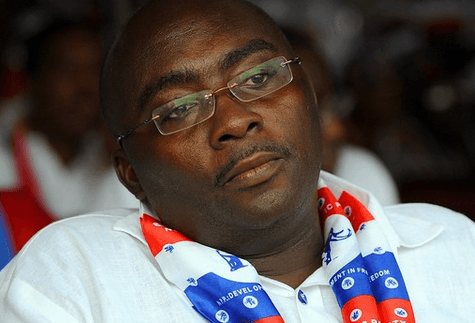
The Kusaug Traditional Council has issued a significant directive to the inhabitants of its six constituencies in the Upper East Region, effectively calling for a boycott of all campaign activities associated with the New Patriotic Party’s (NPP) flagbearer, Dr. Mahamudu Bawumia. This announcement, made through a statement signed by Registrar Ayishatu Hamidu on October 28, accuses the Vice President of having a partisan alignment with the Mamprusi ethnic group in a historical conflict that has been ongoing in the region, specifically the Bawku conflict. The Council articulates its dismay at the recent escalation of tensions and violence, attributing these developments to Dr. Bawumia’s actions, which they believe are detrimental to the Kusasi community’s safety and well-being.
In its statement, the Kusaug Traditional Council expresses grave concerns regarding the Vice President’s alleged misuse of governmental resources to instigate and exacerbate the conflict. They have accused him of directing his supporters in Walewale to establish roadblocks on vital highways, specifically the Walewale-Bolgatanga route, where incidents of violence, including identifiable targeting and killings of Kusasis and other non-residents, have been reported. The Council highlights these violent occurrences, stating that they resulted in the deaths of several individuals and the destruction of vehicles, painting a bleak picture of the current security landscape in Bawku.
The Council’s directive extends beyond mere admonition; it explicitly urges all Kusasi individuals to dissociate from any political endeavors associated with the NPP and Dr. Bawumia. This includes a call to action aimed at party executives and others affiliated with the NPP within Kusaug, demanding a suspension of their political activities. Such a collective stance underscores a palpable fracture within the traditionally accepted political affiliations, reflecting deep-rooted grievances against the current administration and its handling of inter-ethnic relations in the area.
Furthermore, the Kusaug Traditional Council has proclaimed its intent to sever all connections with the Mamprusi community in Bawku. This declaration signifies a serious deterioration in the relationship between the two groups, which has historically conflicted yet coexisted in a fragile peace. The Council’s statement foreshadows potential socio-economic repercussions as it vows to withdraw from commercial engagements and other cooperative activities that may perpetuate ties with the Mamprusi community.
In light of recent violent clashes, the Kusaug Traditional Council has also articulated its skepticism regarding President Akufo-Addo’s resolve in fostering peace in Bawku. The Council perceives the unfolding events as indicative of the President’s inclination to accommodate Dr. Bawumia and his tribesmen by endorsing a rival candidacy for the role of Bawku Chief—an act that could destabilize an already vulnerable region. This asserted lack of commitment from the President further intensifies the atmosphere of distrust and embolden the council’s calls for unity and self-protection among the Kusasi people.
Ultimately, the Kusaug Traditional Council’s strong stance is emblematic of a broader struggle over political identity, ethnic representation, and the quest for security within a highly charged conflict zone. By advocating for a withdrawal from NPP-related activities and a complete disassociation from the Mamprusi community, the Council is not only asserting the Kusasi’s right to self-determination but is also demanding accountability from the political leadership during a turbulent time in the region’s history. Such actions reflect both the urgency of the current situation and the potential for political instability if reconciliation efforts are not pursued earnestly by all stakeholders involved.








