





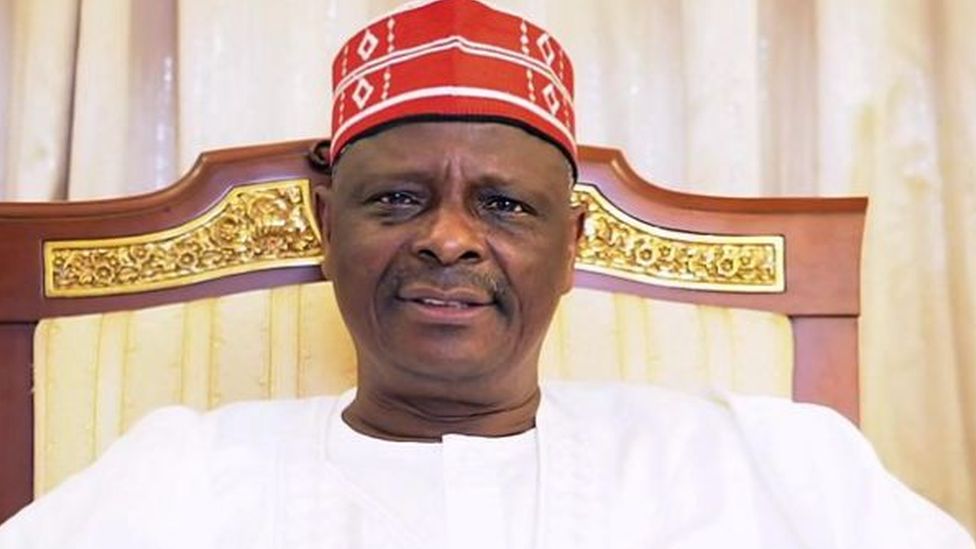
Former Kano State Governor Rabiu Kwankwaso has expressed profound concern over the recent incident involving the arraignment of 67 minors by the Nigeria Police Force in Abuja for their alleged participation in the #EndBadGovernance protests. The situation has prompted a public outcry, especially regarding the treatment of these children, who Kwankwaso described as having been subjected to a cruel experience when they should be pursuing their education instead of facing legal charges. In a statement released on his social media account, he lamented the malnourished state of the minors, who, according to him, are in dire need of medical attention, highlighting the broader implications of their treatment under what should be a protective legal framework.
Kwankwaso’s critique extends to the unusual nature of their arraignment, underscoring that the legal action against such a large group of minors is not only rare but also represents a significant breach of human rights. He emphasized that the government’s primary role should be to safeguard vulnerable populations, including children, women, the elderly, and the economically disadvantaged, rather than lead efforts that result in their violation. Disturbed by the circumstances surrounding the young defendants, he noted that it is unacceptable for any government entity to exacerbate the suffering of such vulnerable groups, offering a stark reminder of the state’s obligations towards its citizens.
He directed particular attention to the stringent bail conditions imposed on the minors, which he deemed outrageous, suggesting that requiring a teenager to find ₦10 million and produce a Level 15 civil servant as a surety is excessively punitive. Such conditions, Kwankwaso posited, disregard the provisions of the Child Rights Act of 2003, specifically Section 11, which is designed to protect children’s dignity and shield them from any form of injury, abuse, neglect, or maltreatment. His call for reevaluation indicates a need for systemic change in how authorities handle cases involving minors, urging a more compassionate and just approach that recognizes their unique vulnerabilities.
Kwankwaso’s urgency for immediate action to address the charges against the minors reflects a broader appeal for justice and an acknowledgment of the pressing need to rectify these matters. He urged the authorities to reconsider the punitive measures against the children, advocating for their release so that they can return to their families and contribute positively to society. His statements reveal an understanding of the importance of rehabilitation over incarceration, especially for young people whose futures remain uncertain under such circumstances.
Furthermore, Kwankwaso called upon the Federal Government to focus on addressing pressing societal issues such as banditry, kidnapping, and the challenges posed by Boko Haram, as well as more systemic problems like unreliable electricity and harsh economic policies. His emphasis on confronting these larger issues instead of imprisoning children resonates with a growing sentiment in society that calls for policymakers to direct their efforts towards constructive solutions that promote development and security, rather than perpetuating cycles of injustice that disproportionately affect the younger population.
The situation escalated during the court proceedings where some of the minors collapsed due to visible malnourishment after spending three months in detention. Justice Obiora Egwuatu of the Federal High Court in Abuja consequently granted bail to the protesters, setting a high bar for financial sureties that many families would find challenging to meet. The requirements for bail included the need for extensive documentation from sureties, further complicating the already dire situation facing the families of these minors. Such stern rulings have generated substantial discourse within Nigerian society about the role of the judicial system in safeguarding the rights and welfare of its younger citizens while ensuring that justice is served without compromising their futures.








