





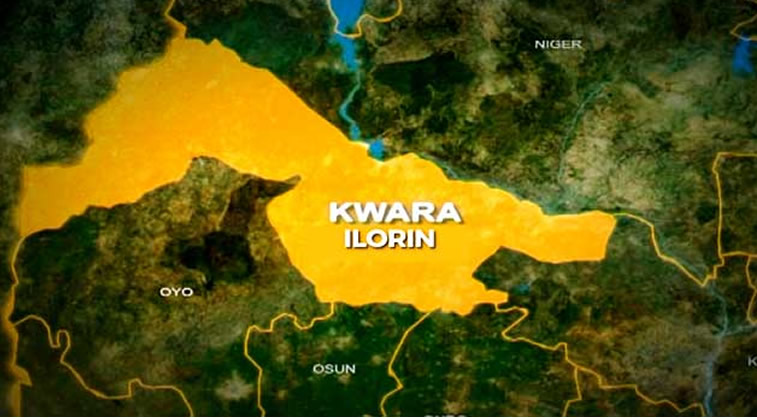
The tranquil city of Ilorin, Kwara State, was shaken to its core in February 2025 by a horrific incident that exposed the dark underbelly of social media interactions. Abdulrahman Bello, a 29-year-old Islamic teacher, was apprehended by the Kwara State Police Command for the alleged murder and dismemberment of Yetunde Lawal, a 25-year-old final-year student at the Kwara State College of Education. The case began as a missing person report filed by Lawal’s distraught father, Ibrahim A. Lawal, on February 11th, setting in motion a chain of events that would unravel a tale of online deception and brutal violence. The seemingly innocuous connection forged between Bello and Lawal on Facebook served as the prelude to this tragedy, highlighting the potential dangers lurking within the digital realm.
The initial stages of the investigation focused on tracing Lawal’s last known movements. She was last seen alive on February 10th, leaving a naming ceremony after receiving a fateful phone call. Investigators swiftly traced the call back to Bello, residing in the Offa Garage area of Ilorin. This crucial piece of information led to Bello’s arrest and the subsequent search of his residence. Confronted with the evidence, Bello’s initial denial of any involvement in Lawal’s disappearance crumbled. He concocted a story claiming that Lawal had died in his house from an asthma attack. However, the police quickly exposed the fabrication, discovering the gruesome truth – Lawal’s dismembered body parts hidden within a bowl in Bello’s house.
The discovery of Lawal’s remains transformed the missing person case into a homicide investigation, sending shockwaves through the community. The juxtaposition of Bello’s profession as an Islamic teacher with the brutality of the crime intensified the public outcry. The incident sparked widespread discussions about online safety and the need for caution when interacting with strangers on social media platforms. It served as a stark reminder of the potential for online connections to mask sinister intentions.
The Kwara State Police Command, led by Public Relations Officer Adetoun Ejire-Adeyemi, assured the public that a thorough investigation was underway. The case was transferred to the State Criminal Investigation Department (SCID) for further investigation, signaling the seriousness with which the authorities were treating the matter. The police meticulously collected evidence from Bello’s residence, including the recovered body parts, to build a strong case against him. The evidence pointed towards a premeditated crime, challenging Bello’s claim of an accidental death.
The unfolding narrative revealed a chilling sequence of events. Bello, after connecting with Lawal on Facebook, obtained her phone number and invited her to his house. The exact circumstances surrounding Lawal’s death and subsequent dismemberment remained a focus of the ongoing investigation. The police were working diligently to establish a clear timeline of events and determine the motive behind this heinous act. The gruesome nature of the crime indicated a level of premeditation and brutality that deeply disturbed the community.
The tragic case of Yetunde Lawal served as a cautionary tale about the potential dangers of online interactions and the importance of verifying the identities of individuals met through social media. It underscored the need for heightened awareness and vigilance in the digital age, where seemingly harmless connections can sometimes conceal malicious intent. The incident prompted calls for increased education and awareness campaigns to equip individuals with the necessary tools to navigate the online world safely. The memory of Yetunde Lawal served as a somber reminder of the fragility of life and the dark realities that can lurk beneath the surface of online interactions.








