









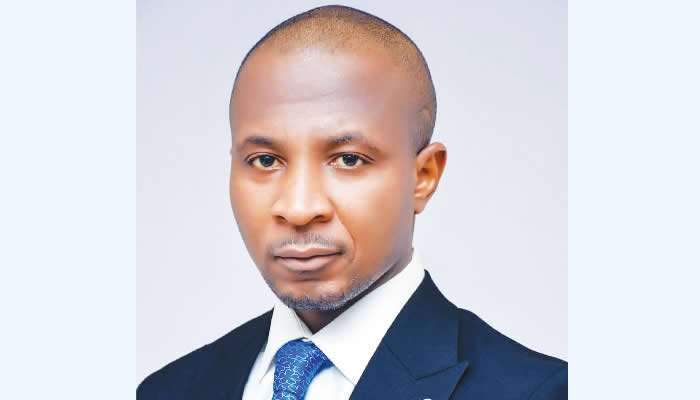
The Kwara State Taskforce on Human Trafficking has called upon residents of the state to follow the law and actively support government initiatives aimed at combatting human trafficking. This appeal was made by Attorney General and Commissioner for Justice, Senior Ibrahim Sulyman, who chairs the Taskforce. Through a statement, he raised awareness about the grave dangers associated with human trafficking and the importance of collective effort to address this pressing issue in the state and beyond. His message emphasizes the critical role of community involvement in eliminating human trafficking practices, which can undermine the fabric of society.
In his statement, Sulyman underscored the importance of vigilance and adherence to the law, stating that ignorance is not an acceptable defense when it comes to understanding the legal ramifications of human trafficking. He outlined the various stages of trafficking offenses, beginning with recruitment or abduction, leading to transportation and exploitation. This exploitation often manifests as forced labor or sexual servitude, highlighting the multitude of ways traffickers manipulate and abuse their victims. By shining a light on the process involved in human trafficking, he aims to educate the public about the risks and warning signs of these criminal activities.
The Attorney General urged anyone who may witness or suspect instances of human trafficking to reach out for assistance. He publicized the toll-free, multilingual hotline—627—available around the clock for victims and members of the community in need of guidance or support. Additionally, he encouraged the public to visit the Kwara State Ministry of Justice to receive help for victims and survivors of trafficking. This outreach reflects a commitment to providing accessible resources for those affected by human trafficking, aiming to create a more supportive environment for victims seeking to reclaim their lives.
Sulyman explained that trafficking should not just be seen as a singular offense but rather as a complex process that encompasses various criminal activities. He highlighted how human trafficking is often intertwined with other illicit operations, such as drug and weapon smuggling. This interconnectivity not only complicates the trafficking landscape but also reveals the extensive network of crimes that sustain it. He detailed how trafficking operations can involve a range of offenses, including document forgery, unlawful coercion, and money laundering, all of which are integral to the maintenance of trafficking networks.
The Attorney General illustrated the dire circumstances faced by trafficking victims, who might endure severe physical and emotional abuse. Victims are often stripped of their vital identification documents, coerced into unpaid labor, and subjected to threats and violence to ensure compliance. This brutal treatment extends beyond victims to include former victims who seek to assist authorities, who may face retaliation. There’s a grim reality in which public officials can become corrupt or manipulated, fostering an environment where trafficking can thrive unnoticed.
In conclusion, the Kwara State Taskforce on Human Trafficking is taking proactive steps to address the widespread issue of trafficking by educating the public, encouraging reporting, and detailing the comprehensive nature of trafficking offenses. The Attorney General’s intention to delve deeper into the Trafficking in Persons (Prohibition) Enforcement and Administration Act, 2015 (TIPPEA Act) in future communications indicates a commitment to further engage the community and provide them with the necessary legal frameworks to combat this issue effectively. Through continued awareness efforts and community involvement, the government aims to eradicate human trafficking and provide a safer environment for all residents.









