





The Nigerian National Assembly initiated an investigative hearing into the alleged planned mass retrenchment of over 1,000 employees at the Central Bank of Nigeria (CBN). This move followed media reports suggesting the impending job losses, prompting the Assembly leadership to summon the CBN Governor, Yemi Cardoso, and both Ministers of Labour, Muhammadu Dingyadi and Nkeiruka Onyejeocha, to provide clarification and address the concerns. The House of Representatives, spearheading the investigation, established an ad-hoc committee chaired by Bello Kumo, the Majority Chief Whip, to conduct a comprehensive inquiry and ensure a fair hearing for all involved parties. The committee emphasized its commitment to transparency and due process throughout the investigation.
The investigative hearing, however, faced an initial setback with the absence of key figures. Both the CBN Governor and the Minister of Labour, Muhammadu Dingyadi, failed to appear before the committee. This non-appearance drew the ire of the committee chairman, who expressed his dissatisfaction and issued a stern warning that sanctions would be imposed on government officials who disregarded the Assembly’s summons. He stressed the importance of respecting the National Assembly’s authority and cooperating with the investigation to ensure a thorough understanding of the situation and protect the interests of the potentially affected CBN employees.
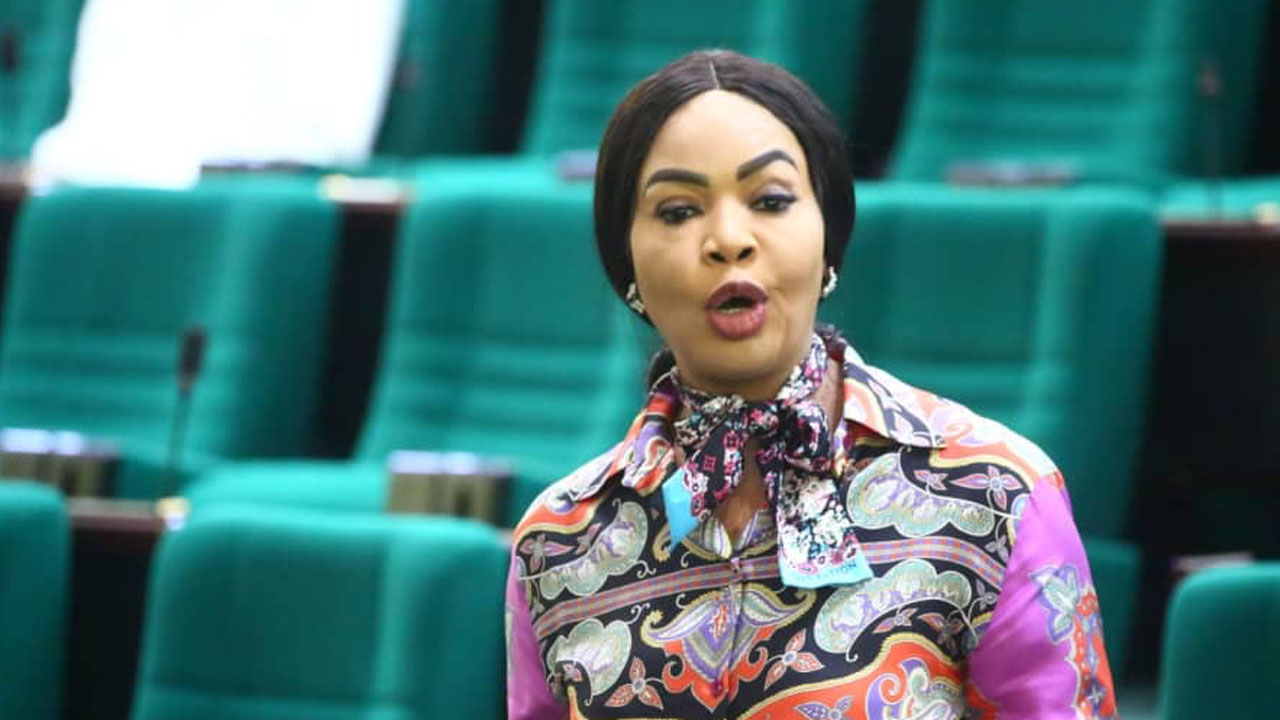
Nkeiruka Onyejeocha, the Minister of State for Labour, subsequently issued a public apology for her failure to attend the hearing. Addressing journalists in Abuja, she acknowledged the constitutional mandate of the National Assembly and expressed her commitment to fulfilling it. Onyejeocha attributed her absence to unforeseen circumstances and emphasized her willingness to cooperate fully with the investigation. She assured the Assembly and the public that the Ministry of Labour would proactively reschedule its appearance and provide comprehensive answers to all questions posed by the committee before the budget deliberations concluded. Onyejeocha’s apology reflected the gravity of the situation and the importance of addressing the concerns raised by the National Assembly.
The alleged mass retrenchment at the CBN has generated significant public interest and sparked debate about the potential implications for the affected employees and the overall stability of the apex bank. The National Assembly’s intervention underscores its role in ensuring transparency and accountability within government institutions and safeguarding the rights of Nigerian workers. The committee’s determination to conduct a thorough investigation and hold those responsible accountable reflects its commitment to upholding the principles of fairness and due process.
The situation surrounding the alleged retrenchment underscores the tension between the autonomy of the Central Bank and the oversight function of the National Assembly. While the CBN operates independently in managing the nation’s monetary policy, it remains subject to scrutiny by the legislature, particularly when its actions have far-reaching socio-economic consequences. The National Assembly’s investigation aims to strike a balance between respecting the CBN’s autonomy and ensuring its actions are in line with national interests and the welfare of its employees.
The outcome of the investigation will be crucial in determining the future of the allegedly targeted CBN employees and shaping the relationship between the CBN and the National Assembly. The committee’s findings and recommendations will likely have significant implications for the bank’s internal policies and procedures regarding staffing and employment. Furthermore, the investigation could potentially lead to legislative reforms aimed at enhancing oversight and accountability within the CBN and other government institutions, ultimately strengthening the checks and balances within the Nigerian governance framework.








