





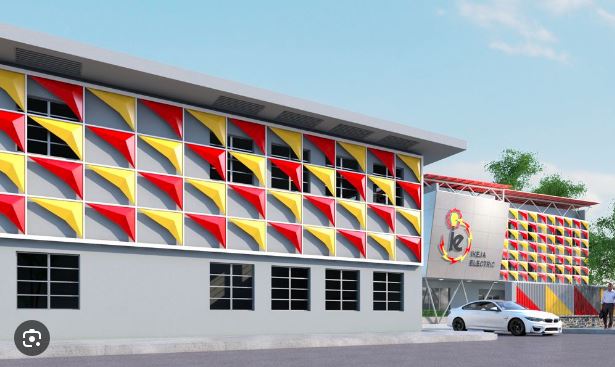
The residents of Adeoni Estate, a gated community located between Lagos and Ogun states, are grappling with persistent and debilitating power shortages. Their primary grievance is directed towards the Ikeja Electricity Distribution Company (IKEDC), which they accuse of failing to deliver on its promise of 20 hours of daily electricity supply, a standard stipulated for their Band A tariff classification. This inadequacy has significantly disrupted daily life and crippled businesses within the estate. Despite numerous complaints lodged with the IKEDC, the situation remains unresolved, fueling growing frustration and anger among residents. The erratic power supply has become increasingly severe in recent months, with some households and businesses experiencing days without electricity. This forces them to rely heavily on expensive fuel-powered generators, adding a significant financial burden to their already strained resources.
The power crisis in Adeoni Estate reached a critical point approximately a week prior to this report, with residents receiving less than an hour of electricity on most days. This acute shortage has had a devastating impact on local businesses. Mrs. Tolulope Hassan, a local business owner, highlighted the financial strain caused by the power cuts, explaining that the meager and unreliable electricity supply forces her to rely excessively on generators, significantly increasing her operational costs and reducing her profits. This precarious situation is not unique to Mrs. Hassan, as numerous other businesses within the estate are facing similar challenges, struggling to stay afloat amidst the persistent power outages. The lack of reliable electricity has not only hampered business operations but also disrupted daily life for residents, making even basic tasks challenging.
The residents of Adeoni Estate, through their Landlord and Residents Association, have taken proactive steps to address the power crisis. They have sent nearly 100 emails to the IKEDC, demanding either a significant improvement in their electricity supply or a reclassification to a lower tariff band that accurately reflects the limited power they receive. The residents argue that being placed on a Band A tariff while receiving significantly less than the promised 20 hours of electricity is unjust and exploitative. Their demand for a tariff review reflects their frustration and desire for a fair and transparent billing system that corresponds with the actual service provided. Furthermore, the residents have also threatened to escalate their actions by staging a protest at the IKEDC’s office if their demands for improved power supply and tariff review are not met promptly.
In response to the residents’ complaints, IKEDC officials, through videos circulated on WhatsApp, attributed the power shortage to a fault originating from the Transmission Company of Nigeria (TCN). According to the officials, a critical piece of TCN equipment had malfunctioned, leading to a significant reduction in power supply to the affected areas, including Adeoni Estate. The IKEDC explained that the TCN had not provided a definitive timeline for the repair of the faulty equipment, further compounding the uncertainty surrounding the power restoration. While acknowledging the TCN’s role in the current crisis, residents remain skeptical and critical of the IKEDC’s handling of the situation, questioning the company’s communication and its efforts to mitigate the impact of the power shortage.
The IKEDC’s explanation, while attributing the root cause to the TCN, also revealed that they had implemented power rationing in the affected areas due to the limited supply available. This rationing strategy, while intended to distribute the available power equitably, has resulted in the drastically reduced electricity supply experienced by Adeoni Estate residents. The residents, however, argue that the rationing has been unfairly implemented, leaving them with an unacceptable level of power supply that falls far short of the promised 20 hours per day for their Band A tariff classification. This discrepancy between the promised service and the reality on the ground has further fueled their discontent and strengthened their resolve to seek redress.
The ongoing power crisis in Adeoni Estate highlights the broader challenges facing Nigeria’s power sector. It underscores the complex interplay between power generation, transmission, and distribution, and the impact of infrastructural deficiencies on the lives of ordinary citizens. The residents’ struggle for reliable electricity underscores the need for greater accountability and transparency within the power sector, as well as the urgency of addressing the underlying infrastructural issues that continue to plague the nation’s power supply. The frustration and resilience of the Adeoni Estate residents serve as a potent reminder of the human cost of power failures and the imperative for sustainable solutions to ensure reliable and affordable electricity for all.








