





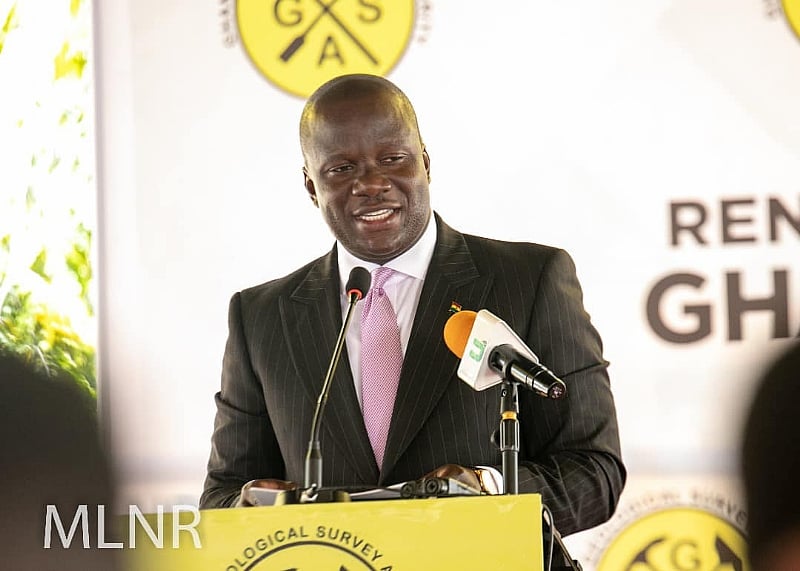
The Minister for Lands and Natural Resources, Samuel Abu Jinapor, recently addressed the Ghana Geological Survey Authority (GGSA) during the inauguration of its new office complex in Accra. He emphasized the critical role that geological surveys play in the country’s extractive sector, particularly in light of increasing challenges related to illegal small-scale mining. Jinapor asserted that a well-resourced geological survey could help mitigate these issues and facilitate the responsible management of Ghana’s natural resources. The modernized office is a tangible recognition of GGSA’s impact on resource management and reflects the government’s commitment to harnessing green mineral resources sustainably.
In his remarks, Jinapor highlighted the extensive contributions of the GGSA since its inception. He explained that the Authority has been instrumental in gathering vital data that forms the scientific foundation for understanding and exploiting natural resources in various sectors, including mining, water, energy, agriculture, and construction. This multi-sectoral approach is crucial for developing comprehensive strategies to optimize resource use and manage environmental impacts effectively. The Ministry’s focus on geological investigations underpins the government’s broader goals of promoting responsible extraction practices while ensuring the protection of the environment.
Further reflecting on the GGSA’s achievements, Jinapor called for increased investment and resources to enable the Authority to enhance its capabilities. He indicated that the lack of robust geological data often hampers effective policy-making and can lead to unsustainable practices within the extractive industries. By providing accurate and reliable data, the GGSA can help guide strategic decisions and foster a regulatory environment conducive to responsible mining. This need for enhanced resources resonates with ongoing governmental efforts to eliminate illegal mining practices that have detrimental effects on the environment and local communities.
Isaac Mwinbelle, the Director General of the GGSA, echoed the Minister’s sentiments during the commissioning ceremony. He acknowledged the commitment and hard work of the GGSA’s staff and contractors, who completed the new office project on schedule despite the challenges faced during construction. Mwinbelle posited that the data generated by the GGSA over the years has become crucial baseline information for many other developments across various sectors. His comments highlight the significance of geological data in supporting national development initiatives and addressing the multifaceted challenges facing the country.
As the GGSA embarks on its new chapter in a modernized workspace, the call for enhanced resources and support from the government is vital. Mwinbelle urged the authorities to prioritize this need, indicating that the authority’s capability to provide accurate and timely data is paramount to achieving sustainable growth in Ghana’s extractive sector. He underscored the potential benefits that could accrue to the country through informed decision-making, better regulation of mining activities, and improved environmental protection.
In conclusion, the commissioning of the GGSA’s new office complex symbolizes a significant milestone in Ghana’s approach to managing its rich natural resources. With leaders like Minister Jinapor advocating for the importance of geological surveys and the commitment of the GGSA to improve data generation, there is potential for meaningful advancements in the extractive industry. A robust framework supported by accurate geological data can lead to more sustainable mining practices that benefit both the economy and the environment. The government’s commitment to equipping the GGSA with the necessary resources will be instrumental in realizing these goals, ultimately contributing to Ghana’s sustainable development in the long term.








