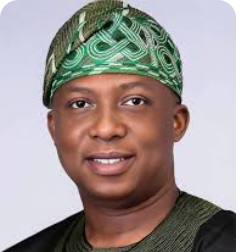
The Lagos State Government has announced plans to initiate urban regeneration projects on Lagos Island and its surrounding areas with a focus on creating a more conducive environment for economic growth. The Commissioner for the Environment and Water Resources, Tokunbo Wahab, revealed during an inspection tour of the island that effective urban renewal is vital to combating persistent flooding issues that have threatened lives and properties in the region. This ambitious urban regeneration initiative aims not only to improve the quality of life for residents but also to lay the groundwork for sustainable economic development by addressing the infrastructural challenges that currently plague Lagos Island.
Wahab emphasized the need for a collaborative approach involving multiple ministries to facilitate a comprehensive urban renewal strategy. The project is to be executed in partnership with the Ministry of Work and Infrastructure, highlighting the importance of joint efforts in tackling the multifaceted challenges facing the island. By integrating inputs from both ministries, the initiative is designed to address various infrastructure elements simultaneously, ensuring that all aspects of urban development, from drainage improvements to road constructions, are aligned for maximum efficiency and effectiveness.
One of the central components of the urban regeneration plan involves extensive drainage improvements. The Ministry of Environment and Water Resources is tasked with reconstructing 13 secondary collectors and two drainage outfalls, alongside upgrading existing drainage channels. The goal is to create a robust drainage system that can manage stormwater more effectively. In tandem, the Ministry of Works and Infrastructure will be responsible for raising road levels above the current standards and constructing tertiary drains that will link into the newly upgraded drainage collectors. This strategic approach aims to significantly mitigate flooding experiences on the island.
Construction efforts are slated to commence immediately, with an aggressive timeline for project completion, according to Wahab. The swift execution of these plans is essential for delivering tangible results that make a real difference in the lives of Lagos Island’s residents. The assurance of prompt action reflects the government’s commitment to promptly addressing flooding concerns, which have long been a source of grievance for the local population. The urgency of the situation is underscored by the ongoing risk flooding poses to both lives and properties in the area.
Additionally, during the inspection, the team addressed public complaints regarding the illegal encroachment of properties built on drainage channels, particularly along Nnamdi Azikwe Road. Wahab stated that such structures would be marked, and the owners would be issued contravention notices, with a clear threat of prosecution for those found guilty of violating building regulations. This measure is vital to ensuring that illegal constructions do not compromise the newly developed drainage system, thus reinforcing the government’s resolve to maintain the integrity of urban planning and development in Lagos.
In conclusion, the Lagos State Government’s urban regeneration efforts on Lagos Island represent a significant step towards resolving longstanding challenges related to flooding, infrastructure, and urban planning. By taking a coordinated approach involving multiple ministries, the initiative aims to create a sustainable urban environment conducive to economic growth. With the commitment to beginning construction immediately and enforcing regulations against illegal developments, the government appears poised to make substantial progress in revitalizing Lagos Island and enhancing the quality of life for its residents.