





Paragraph 1: The Genesis of the Crisis
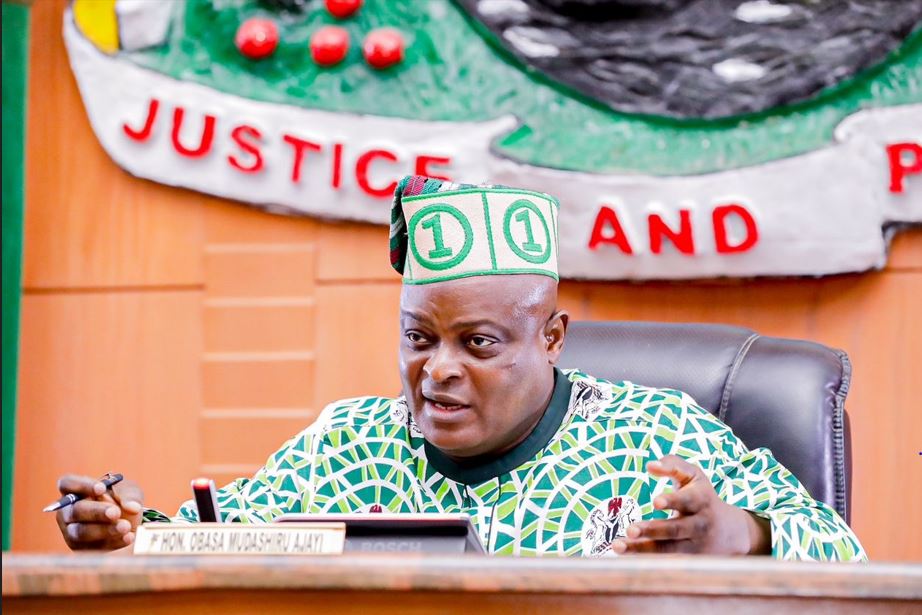
The Lagos State House of Assembly has been embroiled in a leadership crisis stemming from the removal of Speaker Mudashiru Obasa by 35 lawmakers. The lawmakers replaced Obasa with Mojisola Meranda and have firmly stated their refusal to reinstate him. Obasa, however, maintains that he remains the legitimate Speaker and has attempted to reclaim his position, holding a plenary session with a small group of supporting lawmakers. This action, following the restoration of his security detail, has further deepened the division within the Assembly.
Paragraph 2: Intervention and Escalation
High-profile members of the All Progressives Congress (APC), including prominent figures like former governors Bisi Akande and Olusegun Osoba, alongside Governor Babajide Sanwo-Olu, intervened in the crisis. A proposed resolution involved Obasa’s resignation and Meranda stepping down to allow for a new Speaker from the Lagos West Senatorial District. However, this arrangement collapsed when Obasa, with renewed security detail, returned to the Assembly, seemingly emboldened by a purported meeting with APC leaders linked to President Tinubu. This fueled speculation about presidential support for Obasa, escalating tensions and raising questions about external influences on the Assembly’s internal affairs.
Paragraph 3: Tinubu’s Alleged Involvement and Political Implications
Obasa’s actions, particularly the swift restoration of his security detail, sparked allegations of President Tinubu’s involvement. Insiders suggest that Obasa met with Tinubu loyalists before his return to the Assembly, hinting at a calculated move backed by the presidency. This alleged presidential backing contrasted sharply with Tinubu’s public neutrality in other political disputes, fueling suspicion and accusations of favoritism. The crisis threatened to impact the APC’s internal dynamics, potentially weakening the influence of the Governance Advisory Council (GAC) and forcing Tinubu to reassess the loyalty of key political figures in Lagos.
Paragraph 4: Heightened Security and Legal Battles
The political maneuvering translated into a tense standoff at the Assembly complex, with a heavy presence of security personnel from various units. The heightened security created a palpable atmosphere of tension and disruption, impacting the usual Assembly operations. Simultaneously, the legal battle over Obasa’s removal commenced in the Lagos High Court, marked by dramatic scenes as two lawyers claimed to represent the Assembly, further highlighting the chaotic situation. The court proceedings were adjourned after a brief confrontation, setting the stage for a protracted legal challenge to the leadership change.
Paragraph 5: Meranda’s Defiance and Legislative Divide
Amidst the escalating crisis, Meranda maintained her position as Speaker, questioning Obasa’s legitimacy and dismissing his plenary session as a "show of shame." She asserted her right to lead the Assembly, highlighting the support of a significant number of lawmakers. The division within the Assembly became increasingly clear, with many lawmakers expressing their unwavering support for Meranda and condemning Obasa’s actions. This solidified the split within the legislature and indicated a determined resistance to Obasa’s attempted return.
Paragraph 6: Calls for Resolution and Lingering Uncertainty
The ongoing crisis prompted calls for a peaceful resolution from various stakeholders, including the GAC and the Lagos APC. While the GAC claimed to have offered private advice, the APC called for unity within the party, emphasizing the need for lawmakers to find an amicable solution. Despite these pleas, the underlying tensions and the unresolved question of Tinubu’s involvement cast a long shadow over the situation. The Assembly’s future leadership and the broader political landscape in Lagos remain uncertain, with the potential for further escalation and deeper divisions within the ruling party.








