





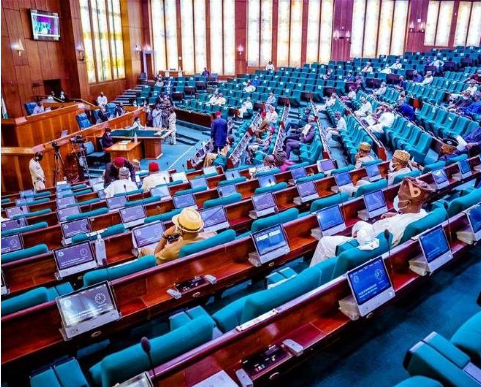
On Tuesday, the House of Representatives made significant advancements towards addressing fraudulent deductions by commercial banks from customer accounts, a pressing issue affecting numerous individuals across Nigeria. This pivotal step was marked by the passage for a second reading of the “Bill for an Act to amend the Banking and Other Financial Institutions Act 202 and Other Related Matters,” introduced by Mr. Moses Fayinka, the representative for Mushin II Federal Constituency in Lagos State. The bill seeks to tackle the growing incidence of unauthorized withdrawals, a problem that has led to substantial financial losses for many bank customers and has raised concerns about the integrity of the banking sector in Nigeria.
During the debate, Fayinka revealed alarming statistics highlighting the extent of bank fraud, with reports indicating that 101,801 cases occurred in 2022, followed by 48,703 more in 2023. He described the various ways in which customers have fallen victim to fraudulent transactions, primarily due to the prevalent electronic banking methods, such as ATM usage, Point of Sale (POS) transactions, and direct cash transfers. These modern banking practices have made it easier for unauthorized deductions to occur, resulting in substantial financial losses for many individuals who often find themselves with little recourse to recover their lost funds.
The primary goal of the bill is to eliminate illegal fund transactions by ensuring no money can be withdrawn from a customer’s account without their explicit authorization. It also aims to hold banks accountable by mandating them to report such fraudulent activities to law enforcement and to cooperate in the prosecution of the perpetrators. Furthermore, the proposed legislation emphasizes the need for banks to refund the victims without imposing any additional charges, thereby ensuring that those affected can recover their funds more efficiently.
Members of the House expressed their concerns regarding the frequency and impact of these fraudulent deductions during discussions on the bill. Ahmed Jaha, the representative from Damboa/Gwoza/Chibok Federal Constituency in Borno State, highlighted the perplexing nature of unauthorized deductions, noting that even members of the National Assembly had experienced unexplained debits from their accounts. He pointed out that while these deductions may seem trivial on an individual basis, they accumulate to substantial sums that affect many Nigerians.
In addition to discussions on the bill, Mohammed-Bello El-Rufai, a member from Kaduna State, urged the Central Bank of Nigeria (CBN) to implement stricter penalties for commercial banks found guilty of imposing unauthorized charges on their customers. His call for increased regulatory oversight reflects a broader sentiment among lawmakers regarding the need for the financial sector to operate with greater transparency and ethical responsibility, ensuring that customer interests are prioritized over profit generation.
The House of Representatives’ initiatives represent a crucial step in restoring the confidence of Nigerian citizens in their banking institutions. By addressing the issue of fraudulent deductions and implementing robust measures aimed at safeguarding consumer rights, the proposed amendments to the Banking and Other Financial Institutions Act could lay the groundwork for a more secure and trustworthy banking environment. As the legislative process continues, the hope remains that these proposed changes will ultimately lead to necessary reforms that empower consumers and hold banks accountable for maintaining the integrity of their financial transactions.








