





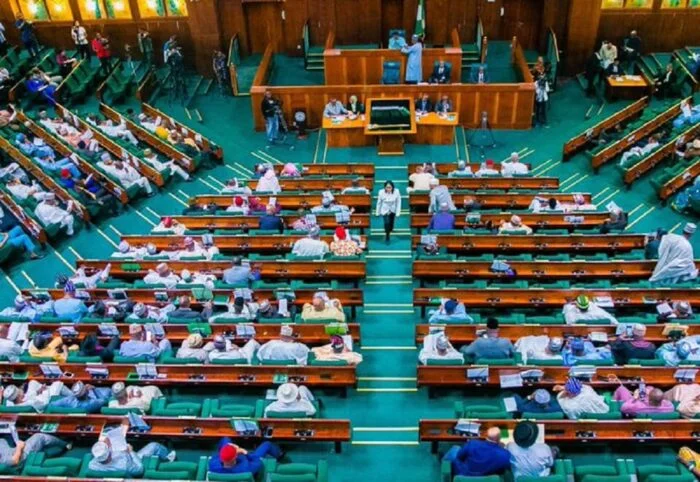
The Nigerian House of Representatives is currently deliberating on a bill that proposes a significant restructuring of the legal landscape by separating the offices of the Attorney General of the Federation and the Minister of Justice. This separation, if enacted, would also extend to the state level, distinguishing the roles of the Attorney General of a state from that of the Commissioner of Justice. The bill, championed by two members of the Peoples Democratic Party, aims to amend the 1999 Constitution to establish the Attorney General as an independent and impartial legal authority, distinct from the political considerations that often influence the Minister or Commissioner of Justice. This proposed change has sparked considerable debate, focusing on the potential benefits of enhanced impartiality in legal proceedings versus the potential increase in government expenditure.
The core argument driving this proposed legislation revolves around the inherent conflict of interest perceived in the current structure where the Attorney General and Minister/Commissioner of Justice are combined. Proponents of the bill argue that the Minister/Commissioner, as a political appointee, is inherently subject to partisan pressures and may prioritize political expediency over strict adherence to legal principles. Separating these roles would, in theory, free the Attorney General to operate with greater autonomy, making decisions based on legal merit rather than political considerations. This, advocates argue, would lead to a more robust and credible justice system, fostering greater public trust in the impartiality and integrity of legal processes.
The bill proposes concrete amendments to the 1999 Constitution to effect this separation. It seeks to introduce a new sub-section to Section 150, establishing the Attorney General of the Federation as a distinct entity appointed by the President and confirmed by the Senate. Similarly, a new sub-section to Section 195 would create the equivalent position at the state level, with the Governor appointing the Attorney General subject to confirmation by the House of Assembly. These amendments aim to codify the independence of the Attorney General, ensuring they are not simply an extension of the executive branch but rather a separate and independent legal authority.
Supporters of the bill emphasize the potential benefits of this restructuring for the Nigerian justice system. They contend that separating the roles would enhance the efficiency of criminal justice administration by eliminating potential political interference in prosecutions. By insulating the Attorney General from political pressures, the bill aims to create a more level playing field in legal proceedings, ensuring that decisions are based on evidence and law rather than political expediency. This, they argue, would not only improve the quality of justice but also strengthen public confidence in the fairness and impartiality of the legal system.
However, the proposed legislation is not without its critics. Concerns have been raised about the potential financial implications of creating two separate offices at both the federal and state levels. Establishing new offices, staffing them, and providing the necessary resources would inevitably increase government expenditure. This has led to questions about whether the potential benefits of the separation outweigh the increased financial burden on the public purse, particularly in a time of economic constraints. This debate underscores the tension between the desire for a more independent and robust justice system and the practical realities of budgetary limitations.
The sponsors of the bill acknowledge the potential cost implications but maintain that the long-term benefits of a more independent and impartial legal system far outweigh the short-term financial costs. They argue that the enhanced efficiency in the administration of justice, the reduction in potential political interference, and the increased public confidence in the legal system would contribute to a more stable and just society. This, they believe, would ultimately lead to greater economic prosperity and social well-being, justifying the increased expenditure. The debate surrounding this bill highlights the fundamental challenge of balancing the ideals of justice with the practicalities of governance and resource allocation. The outcome of this legislative process will significantly impact the structure and operation of the Nigerian legal system for years to come.








