









Health workers in public hospitals in Abuja, represented by the Joint Health Sector Unions (JOHESU), are currently observing a seven-day warning strike, which commenced on October 25, 2024. This action is aimed at pressing for various demands concerning their working conditions and compensation. JOHESU comprises several unions, including the Medical and Health Workers Union of Nigeria, the Nigerian Union of Allied Health Professionals, and others associated with healthcare professionals and staff working in universities and research institutions. Their grievances primarily revolve around issues such as salary adjustments, the implementation of a consultant cadre for pharmacists, an increase in retirement age, and other financial and structural changes that would benefit health workers.
The catalyst for this strike was a notice given to the Coordinating Minister of Health and Social Welfare, Muhammad Pate, indicating that if their demands remain unmet, the union would resume its suspended strike. The specific requests made by the health workers include improvements in pay structures comparable to those in the medical sector, the rectification of pay arrears related to the Consolidated Health Salary Structure (CONHESS), and amendments to the Drug Revolving Fund regulations. Moreover, the need for a tax waiver on health workers’ allowances and the prompt dissemination of COVID-19 hazard payments to those overlooked were significant points of contention within their demands.
As the warning strike progresses, reports from various healthcare facilities, including the Federal Medical Centre (FMC) in Abuja, suggest that compliance has been partial. Some health workers continued to attend to patients, although many were locum staff. According to Aaron Okonofua, the Chairman of the Medical and Health Workers Union at FMC, the strike was initiated without formal notification to the hospital management over the weekend. Okonofua noted that he only signed the official letter to management on the day of the strike’s commencement, which likely affected overall compliance. His remarks highlighted the confusion surrounding the timing of the announcement and how it influenced workers’ participation in the strike on its first day.
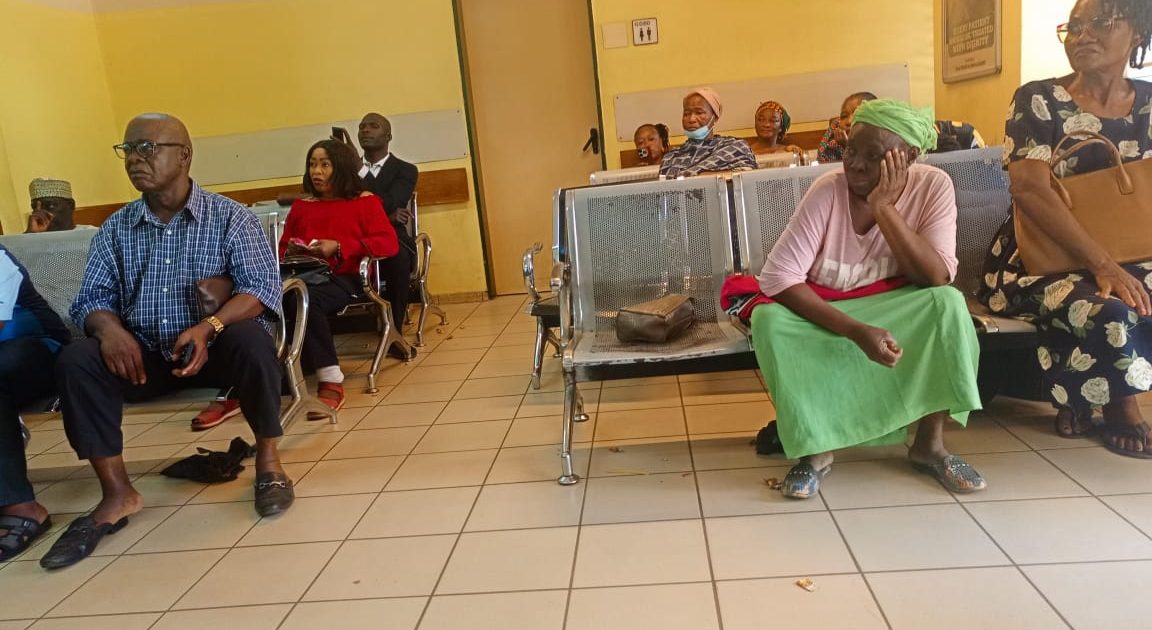
At the National Hospital in Abuja, a similar scenario unfolded, where patients were observed being treated, albeit with uncertainty surrounding the continuation of services the following day. Feedback from patients reflected concerns about the potential discontinuation of care, and anonymous sources within the hospital echoed sentiments about the confusion stemming from the timing of the strike declaration. Medical professionals suggested that many staff members were unaware of the strike’s start, leading to continued operational capacity early in the warning period. Observations indicated that full compliance from healthcare workers was anticipated as the strike progressed into subsequent days.
Compounding the complexity of the situation, Martin Egbanubi, the National Secretary of JOHESU, confirmed that while the Federal Government had reached out informally for engagement, there remained a lack of official communication regarding the strike or the unions’ demands. This statement underscores the ongoing disconnect between the health workers and government representatives that complicates negotiations. The union representatives have expressed their desire for formal talks to address the issues presented, reflecting a growing frustration with the stagnant state of negotiations.
Overall, the partial compliance observed among health workers signifies the challenges of organizational coordination as they navigate their response to management and the urgency of their demands. The uncertainty surrounding healthcare delivery amidst the strike may pose risks to patient care, depending on the level of compliance among staff in the coming days. The dynamics between health workers, union officials, and government authorities will likely play a crucial role in either resolving the issues at hand or further exacerbating tensions in the healthcare sector in Abuja, leaving many uncertain about the future of health services during this critical period.
As the situation unfolds, it is imperative for both JOHESU and the government to engage in meaningful discussions to address the genuine concerns of health workers. The stakes are high, not only for the labor force but also for the thousands of patients reliant on healthcare services. Without immediate and effective collaboration to resolve these issues, the strike may serve as a prelude to ongoing disruptions in the healthcare delivery system, significantly affecting both health workers’ rights and patient care in Abuja and potentially beyond.









