









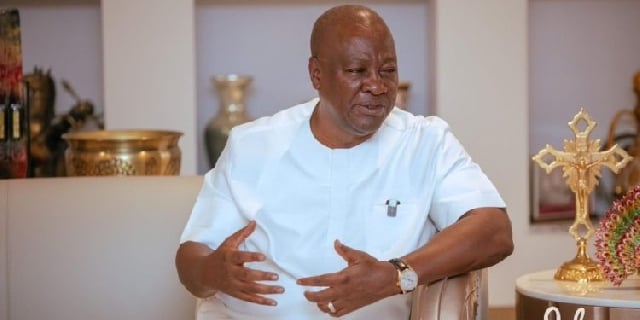
John Dramani Mahama, Ghana’s President-elect, has emphatically reaffirmed his commitment to the Free Senior High School (Free SHS) policy, a flagship program introduced by the outgoing Akufo-Addo administration. During the election campaign, Mahama’s opponents, particularly officials from the New Patriotic Party (NPP), had propagated the narrative that he intended to abolish the popular program should he win the election. Mahama has unequivocally dispelled these assertions, labeling them as mere political rhetoric and campaign gimmickry designed to sway public opinion. He categorically stated that Free SHS is here to stay and his administration will not dismantle it. Instead, he pledged to secure dedicated funding for the program to ensure its long-term sustainability and enhance its quality, thereby solidifying his commitment to accessible and affordable education for all Ghanaian children.
The Free SHS policy, implemented in 2017, provides free tuition, boarding, and meals to students attending public senior high schools across Ghana. This initiative has dramatically increased access to secondary education, particularly benefiting students from economically disadvantaged backgrounds who might otherwise have been unable to afford the costs associated with high school. The program has been widely praised for its positive impact on enrollment rates and its contribution to expanding educational opportunities. However, it has also encountered challenges related to overcrowding in classrooms, inadequate infrastructure to accommodate the increased student population, and occasional delays in funding disbursements, all of which have impacted the overall quality of education delivered through the program.
Mahama has acknowledged these challenges and has prioritized addressing them as part of his commitment to strengthening the Free SHS policy. He intends to establish a robust and reliable funding mechanism to ensure the program’s financial stability, allowing for consistent and predictable allocation of resources. This will enable schools to adequately plan and cater to the needs of their students without facing disruptions due to funding shortages. Furthermore, he plans to invest in improving infrastructure to create a more conducive learning environment, and to address the issue of overcrowding which can negatively impact the quality of teaching and learning.
The President-elect’s unwavering support for Free SHS resonated strongly with voters during the election campaign, contributing significantly to his decisive victory at the polls. The Electoral Commission declared Mahama the winner of the December 7th election with 56.55% of the valid votes cast, a clear mandate from the Ghanaian people. His closest rival, Dr. Mahamudu Bawumia of the NPP, secured 41.61% of the vote. This victory marks Mahama’s return to the presidency, having previously served as Ghana’s leader from 2012 to 2017. His campaign platform centered on economic recovery, combating corruption, and bolstering social programs, including education and healthcare, demonstrating a commitment to addressing key issues facing the nation.
Throughout the election, the Free SHS policy became a central point of contention. The NPP consistently warned that Mahama would abolish the program if elected, attempting to leverage the program’s popularity to gain an electoral advantage. However, Mahama’s firm and repeated assurances aim to allay any fears among parents and students regarding the future of Free SHS. He has pledged to work collaboratively with all stakeholders in the education sector, including teachers, parents, and administrators, to refine and improve the program, addressing its existing challenges while preserving its core benefits and ensuring its continued positive impact on Ghanaian society.
Mahama’s vision for Free SHS extends beyond simply maintaining the status quo. He envisions a program that is not only accessible and affordable, but also delivers high-quality education that equips students with the knowledge and skills necessary to thrive in the 21st century. He has emphasized his commitment to making Free SHS better, more efficient, and sustainable for future generations, ensuring that the program remains a cornerstone of Ghana’s educational landscape for years to come. This commitment reflects a broader vision for Ghana’s future, one that prioritizes education as a key driver of national development and progress. By investing in education, Mahama aims to empower the next generation of Ghanaians to contribute meaningfully to the country’s economic and social advancement.









