





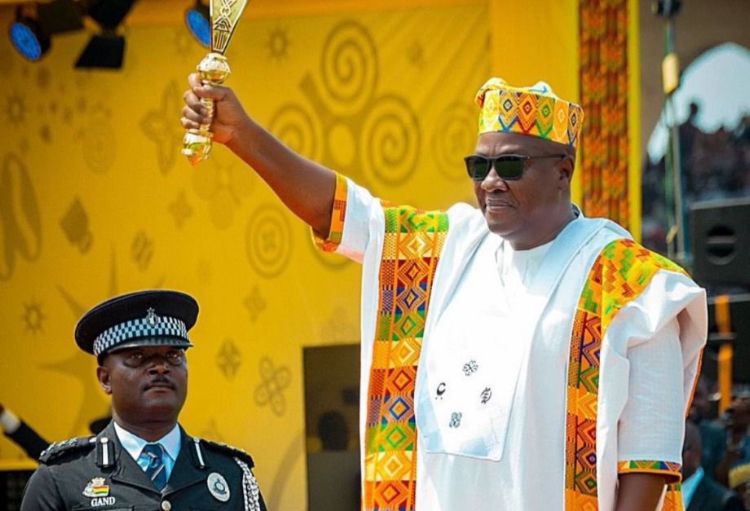
The newly inaugurated administration of President John Mahama in Ghana has initiated a significant restructuring of local governance by revoking the appointments of all Chief Executives of Metropolitan, Municipal, and District Assemblies (MMDAs) across the country. This sweeping decision, effective January 8, 2025, comes just a day after President Mahama’s swearing-in ceremony and signals a clear intent to reshape the leadership landscape at the local level. The revocation, executed under the authority granted to the President by the Local Governance Act of 2016 (Act 936) and its subsequent amendment in 2017 (Act 940), underscores the new government’s prerogative to appoint officials aligned with its vision for local development and administration. This move also affects Assembly Members appointed under the same legal framework, indicating a comprehensive overhaul of local governance structures. The directive, issued from the Office of the President and signed by Secretary to the President Callistus Mahama, mandates Coordinating Directors within each MMDA to assume the responsibilities of acting Chief Executives until permanent replacements are appointed. This interim arrangement ensures the continuity of essential services and administrative functions within the MMDAs during the transition period.
The rationale behind this large-scale revocation can be interpreted on several levels. Firstly, it reflects the inherent power of a newly elected government to shape the administrative apparatus in alignment with its policy agenda. Incoming administrations often seek to install officials who share their vision and can effectively implement their planned programs. Secondly, the move could be seen as an effort to enhance accountability and responsiveness within local government. By replacing existing leadership, the new administration can potentially address concerns about performance, transparency, and adherence to its governance principles. Thirdly, the revocation may be part of a broader strategy to consolidate political control at the grassroots level. Local governments play a crucial role in implementing national policies and mobilizing support for the ruling party. Replacing existing officials with those loyal to the new administration could strengthen its political base and facilitate the execution of its development agenda.
The implications of this decision are far-reaching and will likely reverberate throughout Ghana’s local governance landscape. The change in leadership could lead to shifts in policy priorities, budgetary allocations, and development projects at the local level. The interim leadership of Coordinating Directors provides a temporary bridge, ensuring the continued functioning of MMDAs, but it also introduces a period of uncertainty as these individuals navigate their expanded responsibilities and await the appointment of substantive Chief Executives. The selection process for the new Chief Executives will be closely scrutinized, as it will offer insights into the new government’s priorities and its approach to local governance. The process will also be an opportunity to assess the government’s commitment to inclusivity, meritocracy, and regional balance in its appointments.
The transition period, during which Coordinating Directors act as interim Chief Executives, presents both challenges and opportunities. Maintaining continuity in service delivery and administrative functions will be paramount. Coordinating Directors must quickly adapt to their expanded roles and ensure that essential services are not disrupted. This period also offers a chance for fresh perspectives and innovative approaches to local governance. Coordinating Directors, with their deep understanding of local issues and administrative processes, can potentially contribute valuable insights and lay the groundwork for a smoother handover to the incoming Chief Executives. This interim phase also provides the new government with time to conduct thorough assessments of local needs and identify suitable candidates for the permanent Chief Executive positions.
The long-term success of this restructuring will depend on several factors. The selection of competent and qualified Chief Executives who are aligned with the new government’s vision will be crucial. These individuals will need to demonstrate strong leadership, managerial skills, and a commitment to serving the needs of their communities. Equally important will be the government’s ability to provide adequate resources and support to the MMDAs. Sufficient funding, capacity building initiatives, and clear policy guidance will enable the new leadership to effectively implement development programs and improve service delivery. Furthermore, fostering collaboration and communication between the central government and the MMDAs will be essential for ensuring that local priorities are aligned with national goals.
Ultimately, the revocation of MMDAs Chief Executives’ appointments is a significant step taken by the new administration to assert its authority and shape the direction of local governance. The success of this move will be judged by its impact on the lives of ordinary Ghanaians. Improved service delivery, enhanced local development, and greater responsiveness to community needs will be the key indicators of whether this restructuring has truly delivered on its promise of more effective and accountable local governance. The coming months will be crucial in observing how the new administration navigates this transition and implements its vision for local development across the country. The selection of new Chief Executives and their subsequent performance will ultimately determine the long-term impact of this significant restructuring of local governance in Ghana.








