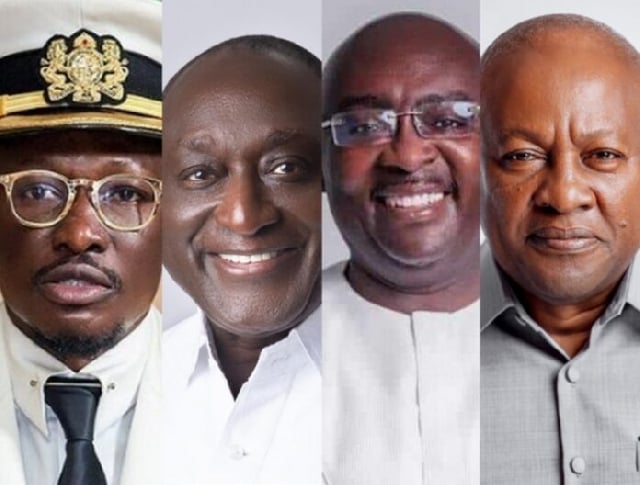
A recent poll conducted by Global Info Analytics has positioned former President John Dramani Mahama of the opposition National Democratic Congress (NDC) as the frontrunner in the upcoming 2024 presidential race in Ghana. The survey, which took place between October 7 and October 12, sampled 1,969 respondents from all 16 regions of the country. With a margin of error of 2.74% and a confidence level of 95%, the poll revealed that Mahama garnered an impressive 53.1% support among registered voters. In contrast, Vice President Mahamudu Bawumia of the ruling New Patriotic Party (NPP) secured 39.0% of the intended votes, while other candidates like Nana Kwame Bediako and Alan Kyerematen obtained 5.2% and 1.7%, respectively. The poll results indicate a solid lead for Mahama as he prepares for a pivotal electoral battle.
The conducted survey also shed light on the shifting political landscape in Ghana, particularly among voters who supported the NPP in the 2020 elections. Notably, 27% of these voters have reportedly changed their allegiance, indicating potential challenges for Bawumia and the NPP as they approach the 2024 elections. Voter sentiment reflects widespread dissatisfaction with the current government’s handling of various critical issues, including the economy, unemployment, and education. As highlighted by Mr. Musa Dankwa, Executive Director of Global Info Analytics, these pressing matters are likely to play a significant role in influencing voter decisions in the upcoming race.
In addition to economic concerns, issues such as corruption and rising fuel prices have emerged as contributing factors to voter discontent. The survey results showed stark evidence of this as a significant 66% of respondents expressed the belief that Ghana is headed in the wrong direction. Conversely, only 24% felt that the country was on the right track. These sentiments may contribute to the evolving political dynamics as voters reflect on their experiences under the current administration and weigh their options ahead of the election.
The poll also emphasized a potential shift in voter demographics, particularly among first-time voters and the youth, who are increasingly showing interest in alternative candidates like Nana Kwame Bediako. This trend suggests a possible change in political allegiance as younger voters seek new leadership that resonates with their aspirations and concerns. Mr. Dankwa noted this demographic’s growing support for Bediako, hinting at the possibility of fragmented voting patterns as the election approaches. The opportunity for emerging political figures to capture the enthusiasm of the youth could significantly impact the election outcomes.
Furthermore, the methodology employed by Global Info Analytics, which included random telephone interviews, adds credibility to the findings, ensuring a diverse representation of voters across Ghana’s regional landscape. The polling data not only provides insight into current voter preferences but also serves as a barometer for the economic and social climate in Ghana leading up to the presidential elections. The confidence in the polling process underscores the importance of accurate data in shaping political strategies for the candidates involved.
As the political scene heats up in Ghana, the implications of this poll are manifold. Mahama’s lead presents both an opportunity and a challenge for the NPP as they strategize to regain voter confidence. The shifting sentiments and growing support for alternative candidates create a dynamic electoral atmosphere that calls for parties to reassess their policies and address pressing national concerns. In essence, as the election date looms, the interplay of these factors will significantly influence voter turnout and the ultimate outcome, making the 2024 presidential race a critical juncture for Ghana’s democratic process.