









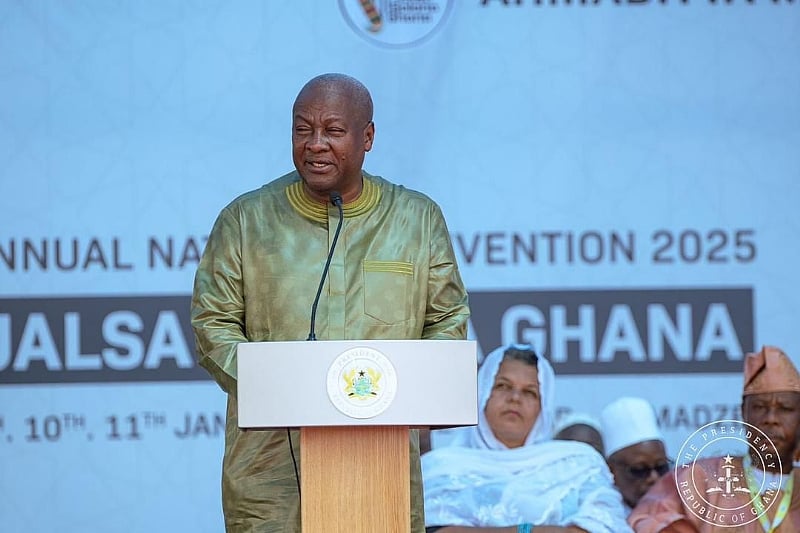
The suspension of USAID programs in Ghana, resulting in a $156 million funding gap, serves as a stark reminder of the precarious nature of foreign aid and underscores the urgent need for African nations to cultivate greater self-reliance. President John Dramani Mahama, addressing the Munich Security Conference, framed this disruption not as a setback, but as a catalyst for change, urging African leaders to seize the opportunity to strengthen their own development trajectories and reduce dependence on external assistance. While acknowledging the valuable contributions of USAID to Ghana’s healthcare, education, and agricultural sectors, President Mahama emphasized the imperative for African nations to assume greater ownership of their destinies. This incident illuminates a broader trend of shifting global aid landscapes and underscores the importance of building more robust and sustainable development models within Africa.
The immediate impact of the USAID suspension presents significant challenges for Ghana, requiring immediate action to mitigate the funding shortfall. Finance Minister Cassiel Ato Forson has been tasked with addressing this urgent financial gap, highlighting the immediate budgetary implications of the program’s halt. The situation underscores the vulnerability that arises from relying heavily on external funding sources, particularly when those sources are subject to the vagaries of changing political priorities and budgetary constraints in donor countries. While the suspension is a part of a broader reevaluation of US foreign assistance under the Trump administration, its effects on recipient countries like Ghana are immediate and tangible, necessitating rapid adjustments and a strategic reassessment of funding priorities.
President Mahama’s call for increased self-reliance resonates with a growing sentiment within Africa that sustainable development must be driven primarily by internal resources and strategic planning. This perspective emphasizes the importance of responsible fiscal management, efficient allocation of resources, and a prioritization of essential services that directly benefit the population. The suspension of USAID programs, while disruptive in the short term, offers an impetus for African nations to strengthen internal revenue generation mechanisms, diversify funding sources, and foster more robust public financial management systems. This approach aims to create a more resilient development pathway, less susceptible to the fluctuations of external aid flows.
Beyond the immediate financial implications, the suspension prompts a broader reflection on the nature of development assistance and its role in fostering sustainable growth. While foreign aid can play a crucial role in supporting specific programs and initiatives, it should be viewed as a complement to, rather than a substitute for, internally driven development strategies. Overreliance on external aid can inadvertently create dependencies and potentially undermine local ownership of development priorities. This underscores the importance of fostering stronger partnerships between African nations and development partners, partnerships based on mutual respect, shared goals, and a commitment to building local capacity.
The USAID suspension also highlights the need for African nations to explore alternative sources of funding and strengthen regional cooperation to address development challenges collectively. This could involve leveraging regional development banks, exploring innovative financing mechanisms such as public-private partnerships, and promoting intra-African trade and investment. By diversifying funding streams and fostering stronger regional collaboration, African nations can reduce their dependence on traditional donors and build more resilient economies. This approach also promotes a sense of shared responsibility and ownership within the continent, driving a more sustainable and inclusive development agenda.
President Mahama’s response to the USAID suspension encapsulates a broader shift in perspective within Africa, emphasizing the importance of self-reliance and internally driven development. This incident serves as a wake-up call, prompting a critical examination of existing development models and a renewed focus on building stronger internal capacities. While acknowledging the contributions of international partners, the focus is shifting towards fostering greater ownership, promoting responsible fiscal management, and prioritizing sustainable solutions that are grounded in local realities and driven by African ingenuity. This represents a crucial step towards building a more resilient and prosperous future for the continent.









