









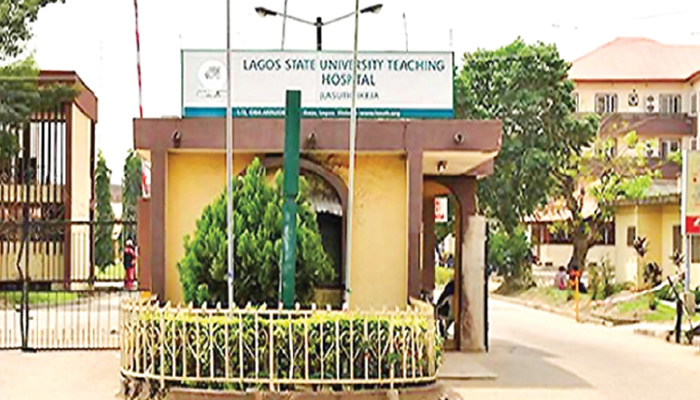
Femi Ojo, a man who spent three weeks in a comatose state at the Lagos State University Teaching Hospital (LASUTH) in Ikeja, has unfortunately lost his memory. This troubling development was confirmed when a correspondent visited the hospital to check on Ojo’s condition. During the visit, Ojo appeared frail, unable to speak or write effectively. Despite attempts to gather information about his identity or family, all he managed to whisper was his own name. His physical state was further indicated by his inability to respond to writing prompts, as his limbs lacked the strength needed to hold a pen or pencil.
The incident leading to Ojo’s medical emergency began when he was discovered unconscious by a woman named Funmi Azike on August 10. Azike, driving along Works Road in GRA Ikeja, immediately recognized the seriousness of the situation and contacted emergency services. However, despite her repeated attempts to cooperate with state authorities, there was a significant delay in securing an ambulance from the government. Consequently, Azike took the initiative to reach out to her church’s Prisons and Hospital Ministry, which prompted immediate action. In the absence of timely assistance from the state, the Airforce Hospital stepped in to provide the necessary first aid and stabilization for Ojo.
Ojo’s journey through the healthcare system was far from smooth; he was eventually transferred to LASUTH Emergency on August 13 for more intensive care after being stabilized. Extensive medical evaluations, including Computed Tomography and X-rays, were conducted to assess his condition and seek potential avenues for treatment. According to Azike, Ojo was placed on oxygen and remained in a coma for nearly a month, indicating the severity of his health crisis. During this time, Azike and several members of her church ministry incurred substantial medical expenses, reportedly amounting to close to N1.2 million, underlining the financial burden associated with Ojo’s unexpected hospitalization.
Despite being resuscitated, Ojo’s fate in the hospital remained uncertain. Azike mentioned that LASUTH intended to discharge him but faced the challenge of determining his family’s whereabouts since he was unable to communicate vital information. This situation raised concerns within Azike and her ministry, as they were deeply invested in Ojo’s recovery. Following a series of tests, it was revealed that he had sustained a brain injury caused by trauma—an alarming diagnosis that highlighted the complexity of his medical needs and the urgency for ongoing care.
Health professionals at LASUTH have echoed Azike’s concerns regarding Ojo’s continued need for medical support. One healthcare worker provided insights into the situation, emphasizing that while Ojo had made some progress toward recovery, he required further treatment and assistance. This sentiment reflects a broader awareness in the medical community regarding the challenges of trauma patients, particularly when they face cognitive and memory-related issues that accompany such injuries.
As the situation unfolds, the community is deeply concerned for Femi Ojo’s well-being and recovery. The collaborative efforts of individuals like Funmi Azike and her church ministry underline the crucial role of grassroots initiatives in responding to emergencies, especially when systemic healthcare provisions fall short. The case not only highlights Ojo’s plight but also raises important questions about access to emergency services, the importance of timely medical intervention, and the support systems available for those who find themselves in life-threatening situations without familial support to assist them.









