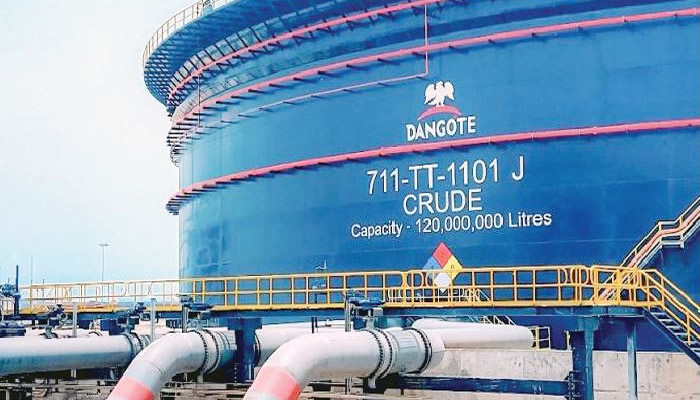
The recent demand from the Dangote Petroleum Refinery for advance payments from oil marketers has sparked a mixed response among industry players in Nigeria. This requirement was communicated during a high-level meeting led by NNPC Group CEO Mele Kyari, attended by representatives from major oil marketing associations and stakeholders from various companies. Traditionally, marketers have operated under a post-delivery payment model, which allows them to pay after products arrive at their depots. The sudden shift to an advance payment policy has raised concerns, particularly among smaller marketers who face heightened financial pressure due to their limited capital. As the negotiations for a mutually beneficial arrangement are still ongoing, differing opinions highlight the broader implications of this new operational framework on the sector.
During the stakeholder meeting, it became clear that the Dangote refinery’s demand for upfront payments stems from its status as a new establishment seeking to build a reliable customer base. Independent Petroleum Marketers Association spokesman Chinedu Ukadike acknowledged the rationale behind Dangote’s stance while also emphasizing the challenges it introduces for independent marketers who prefer more flexible payment terms. As these marketers seek to OFtake larger volumes, they find themselves at a crossroads where their financial capabilities clash with the new requirements, leaving them to navigate uncharted waters in this evolving market environment.
In response to the challenges posed by the new payment policy, some marketers are working collaboratively to explore financial solutions. Ukadike mentioned the establishment of a special purpose vehicle aimed at providing financial support for various categories of off-takers, including small and medium-sized businesses. This initiative underscores a collective recognition among industry players of the need to adapt to the changing landscape while ensuring that all stakeholders can adequately sustain their operations during the transitional period. The hope is that as relationships are built with Dangote, opportunities for credit arrangements will emerge, easing the immediate financial strain on marketers.
As negotiations concerning the payment terms continue, some marketers have expressed a desire for greater confidentiality regarding discussions around payment dynamics. This approach reflects the sensitive nature of the agreements being negotiated, as stakeholders strive for consensus that can accommodate varying financial capacities across the industry. While recognizing the necessity of advance payments for the refinery’s operational stability, these stakeholders are also keenly aware of the potential risks this poses for smaller market participants who have already been operating on more fluid terms in the past.
Industry leaders, such as Dr. Billy Harry, President of the Petroleum Products Retail Outlet Owners Association, have echoed sentiments of solidarity among marketers as they all grapple with the implications of moving away from traditional fuel imports. This consensus is fueled by a shared goal of achieving stable operations, emphasizing constructive dialogue among stakeholders. Harry stated that while advance payments have been part of the business for some time, the pressure to secure financing illuminated the need for external support, including calls for government intervention funds to offset banking costs. In this backdrop, optimism is brewing that the ongoing discussions will ultimately yield a framework that balances the needs of both the refinery and the marketers involved.
Collectively, the oil marketers and key industry organizations are navigating a transformative phase shaped by the Dangote refinery’s approach to payment. While concerns regarding advance payments loom large, there is also a recognition of the opportunities that come with fostering new partnerships within the industry. As stakeholders continue to forge relationships and develop financial models to undergird the new transactional landscape, the focus will remain on striking a balance that secures the refinery’s operational integrity while enabling marketers to thrive despite the financial burden. The outcome of these negotiations will be pivotal in determining how effectively Nigeria’s oil market can adapt to this paradigm shift.