





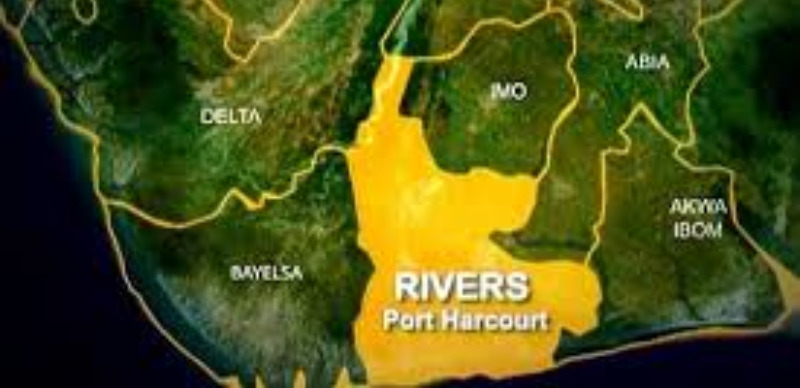
The Movement for the Emancipation of the Niger Delta (MEND), a known militant group, has publicly condemned recent threats made by a coalition of ex-agitators, known as the Niger Delta Development Force, to sabotage oil installations in the region. This threat stems from a political crisis in Rivers State, which has seen tensions escalate between two former allies: Nyesom Wike, the current Minister of the Federal Capital Territory, and Siminalayi Fubara, Wike’s successor and once-political protégé. The ex-agitators claimed their intention to attack oil facilities was a response to what they perceived as a scheme to redirect financial allocations intended for local governments in Rivers State through judicial means.
In response to these developments, MEND has emphatically expressed its commitment to coordinating with security forces to protect the region’s oil infrastructure from any possible attacks. Jomo Gbomo, MEND’s spokesman, criticized the ex-agitators for their threats and highlighted the absurdity of endangering the nation’s economy due to a political dispute between two local politicians. Gbomo articulated a clear stance against violence, emphasizing that the conflict between Wike and Fubara reflects deeper regional issues but should not escalate to a point where it threatens national assets or incites further conflict.
MEND’s statement reflects an understanding of the complexities within the Niger Delta’s sociopolitical landscape, where local politics often intersects with broader issues of environmental degradation and economic disenfranchisement rooted in decades of oil extraction. Despite the organization’s history of militant activism, their current position indicates a desire to stabilize the region rather than exacerbate violence. Gbomo reaffirmed MEND’s commitment to peace, declaring that they would not be manipulated into taking up arms against the Nigerian state in support of either faction within the political turmoil.
The relationship between Wike and Fubara is described as particularly troubling, given that both are figures from the Niger Delta, which raises questions about political loyalty and community representation. Gbomo’s remarks suggest that the conflict is not just personal but part of a larger power struggle that could have severe repercussions for local governance and community welfare. The appeal for unity within the Niger Delta is paramount, as divided loyalties among political figures can further undermine the region’s development and security.
MEND’s stance also highlights the need for cohesive political discourse in the Niger Delta, particularly as issues of resource control continue to provoke contention. Their call for peace and collaboration among ethnic groups within the region underscores an understanding that sustainable development can only be achieved through dialogue and cooperation, rather than violence and hostility. This perspective aligns with broader socio-economic aspirations among communities in the Niger Delta, focusing on shared growth and stability rather than fragmented political agendas.
In conclusion, the complexities of the geopolitical landscape in Rivers State must be navigated with caution, as the threats from ex-agitators reveal underlying tensions that could unravel years of fragile peace. MEND’s condemnation of violence, coupled with its pledge for collaboration with security forces, signals a critical approach toward halting potential destabilization. Both Wike and Fubara must recognize the broader implications of their conflict and work towards solutions that prioritize the welfare of the Niger Delta communities over personal or political ambitions. The hope is that political leaders will heed these calls for unity, fostering an environment that supports economic growth and social harmony in a region so vital to Nigeria’s overall prosperity.








