





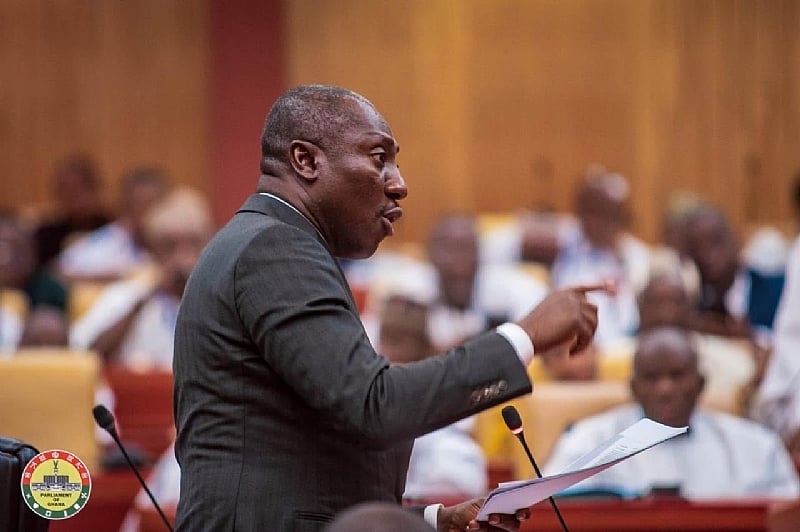
The call for a complete ministerial lineup underscores the inherent tension between a new administration’s need to carefully vet and select its leadership and the public’s expectation of swift action to address pressing national concerns. Afenyo-Markin’s assertion that a government promising a 24-hour economy cannot function effectively with only three ministerial appointments highlights the crucial role these positions play in driving economic activity and overall governance. The absence of key ministers, especially those responsible for sectors like infrastructure, natural resources, and trade, can impede policy implementation and create uncertainty in the business environment, potentially hindering economic growth. The Minority Leader’s emphasis on “readiness from day one” reflects the opposition’s role in holding the government accountable for its campaign promises and ensuring it acts decisively to tackle the challenges facing the nation.
The delay in appointing the full complement of ministers raises several important questions about the government’s strategy and priorities. Is the delay a sign of meticulous vetting to ensure the best candidates are selected, or does it indicate internal divisions or difficulties in attracting qualified individuals to serve? The choice of ministers often reflects the president’s political agenda and priorities, signaling the direction the government intends to take on key policy issues. The absence of ministers in critical sectors can create a vacuum in leadership, delaying important decisions and potentially exacerbating existing problems. It can also fuel speculation and uncertainty within the public and the business community, potentially undermining confidence in the new administration’s ability to deliver on its promises.
The opposition’s critique of the limited ministerial appointments reflects a broader concern about the government’s preparedness to govern effectively. The initial appointments, focusing on finance, energy, and justice, suggest a prioritization of economic stability and legal reforms. However, the absence of ministers in other crucial sectors raises questions about the government’s ability to address a wider range of national challenges, from infrastructure development to healthcare and education. A complete ministerial team is essential for coordinating government activities, ensuring effective policy implementation, and projecting an image of stability and competence. The delay in forming a full government can be interpreted as a sign of indecisiveness or a lack of clear direction, potentially undermining public trust and hindering the government’s ability to achieve its goals.
The pressure from the opposition to expedite the appointment of the remaining ministers serves as a reminder of the importance of accountability and transparency in democratic governance. The public has a right to know who will be leading key government departments and how they plan to address the nation’s challenges. A complete ministerial lineup allows for proper scrutiny of the government’s choices, ensuring that individuals with the necessary qualifications and experience are entrusted with important responsibilities. It also enables the public to hold ministers accountable for their performance and ensures that government decisions are made in the best interests of the nation.
The debate over the timing of ministerial appointments highlights the complex interplay between political considerations and the practical demands of governance. While a new government may need time to carefully select its team, the pressure to address pressing national issues requires swift action. The opposition’s call for a complete ministerial lineup serves as a check on the government’s power, ensuring that it does not unduly delay the formation of a fully functioning administration. The appointment of ministers is not simply a matter of filling positions; it is a crucial step in establishing a government’s legitimacy, setting its priorities, and demonstrating its commitment to serving the people.
The ongoing discussion surrounding the ministerial appointments underscores the importance of a robust and engaged opposition in a democratic system. By holding the government accountable for its actions and demanding timely action on critical issues, the opposition plays a vital role in ensuring effective governance. The debate over the pace of ministerial appointments serves as a reminder that democracy is not a static process but rather a dynamic interplay of competing interests and perspectives, all aimed at achieving the best possible outcomes for the nation. The demand for a complete ministerial lineup is not merely a political maneuver; it is an expression of the public’s right to know who will be leading their government and how they plan to address the challenges facing the country. This scrutiny is essential for a healthy democracy, ensuring that the government remains responsive to the needs of the people and accountable for its actions.








