





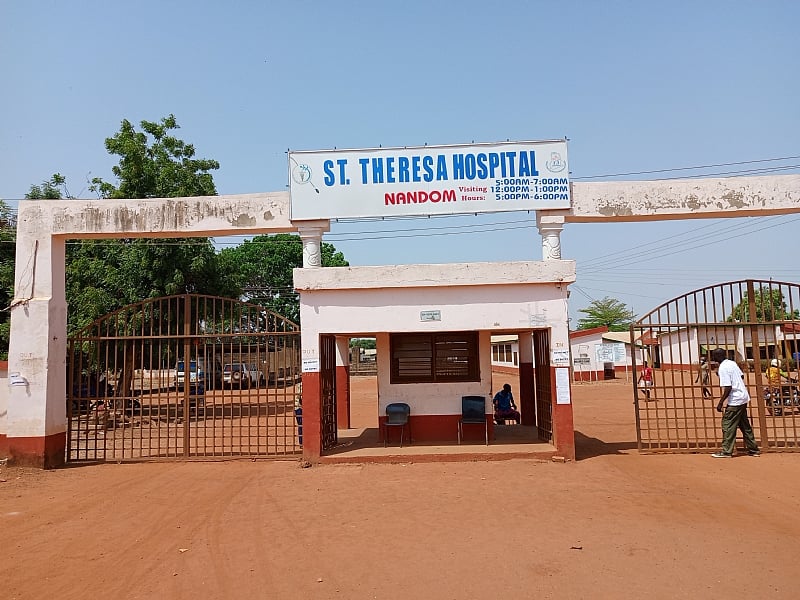
Cerebrospinal Meningitis (CSM), a severe bacterial infection affecting the brain and spinal cord, has emerged as a pressing health concern in the Nandom region of Ghana. The recent case of 15-year-old Kyiiru Faustina highlights the severity of the current outbreak and the challenges in effectively managing the disease. Faustina, hailing from Korro Gberkuo, was rushed to St. Theresa Hospital in an unconscious state, battling a particularly aggressive strain of CSM known as streptococcus pneumoniae. Her survival is described as miraculous, underscoring the dedication of the medical team and the effectiveness of timely intervention, even in the face of a formidable disease. This outbreak serves as a stark reminder of the vulnerability of populations, particularly adults, to emerging strains of meningitis for which widespread vaccination may not be readily available.
The current strain of meningitis impacting the Nandom region poses a significant threat due to its aggressive nature and the absence of a readily available vaccine for adults. Dr. Sebastian Yidana Ninimiya, the Medical Superintendent at St. Theresa Hospital, emphasized that while children under 12 benefit from some degree of protection due to childhood immunizations targeting other meningitis strains, the adult population remains largely susceptible to this particular strain. This vulnerability highlights the urgent need for increased public awareness and preparedness to recognize and respond to the symptoms of meningitis. Early detection and prompt medical attention are crucial to combating the disease and minimizing its potentially devastating consequences, including long-term neurological damage or even death.
Faustina’s case underscores the critical importance of timely medical intervention in meningitis cases. Upon arrival at St. Theresa Hospital, she presented with classic meningitis symptoms: vomiting, high fever, and unconsciousness. Dr. Peter Gayina, another physician at the hospital, emphasized the gravity of her condition upon admission. The medical team’s swift action and administration of the crucial medication Rocephine played a pivotal role in stabilizing her condition and ultimately saving her life. This case demonstrates the potential for successful treatment even in severe cases, highlighting the importance of access to appropriate medical resources and the expertise of healthcare professionals.
The high cost of essential medications like Rocephine presents a significant barrier to effective meningitis treatment, particularly for those without access to the National Health Insurance Scheme (NHIS). Dr. Ninimiya highlighted the financial burden associated with this medication, which is not covered by the NHIS. While the hospital utilizes Rocephine in critical cases like Faustina’s, the subsequent switch to generic treatments, now available free of charge even for uninsured patients, emphasizes the ongoing challenge of balancing effective treatment with affordability and accessibility within the healthcare system. This raises concerns about equity in healthcare access and the potential for financial constraints to delay or limit treatment, thereby increasing the risk of severe complications or fatalities.
Public health officials are actively working to contain the outbreak and educate the community about the importance of preventive measures and early symptom recognition. Given the airborne nature of meningitis transmission, with the disease spreading through respiratory droplets, the public is advised to adopt precautionary measures such as wearing masks in crowded areas, maintaining proper hydration, and incorporating fruits into their diet. Regular exercise and maintaining a healthy lifestyle are also encouraged as ways to boost the immune system. Crucially, individuals exhibiting symptoms suggestive of meningitis, including fever, headaches, neck stiffness, or altered consciousness, are urged to seek immediate medical attention. This proactive approach aims to prevent further fatalities by ensuring early diagnosis and treatment.
Faustina’s recovery, though remarkable, also underscores the need for continued vigilance and proactive public health measures. The fact that she did not experience hearing loss, a common complication of meningitis, is a testament to the effectiveness of the treatment she received. The Ghana Health Service’s intervention in covering all of her treatment costs highlights the importance of governmental support in ensuring equitable access to healthcare, especially during outbreaks. As the meningitis season reaches its peak, continued emphasis on early reporting of symptoms, coupled with accessible and affordable treatment options, will be crucial in mitigating the impact of this potentially devastating disease within the affected communities.








