





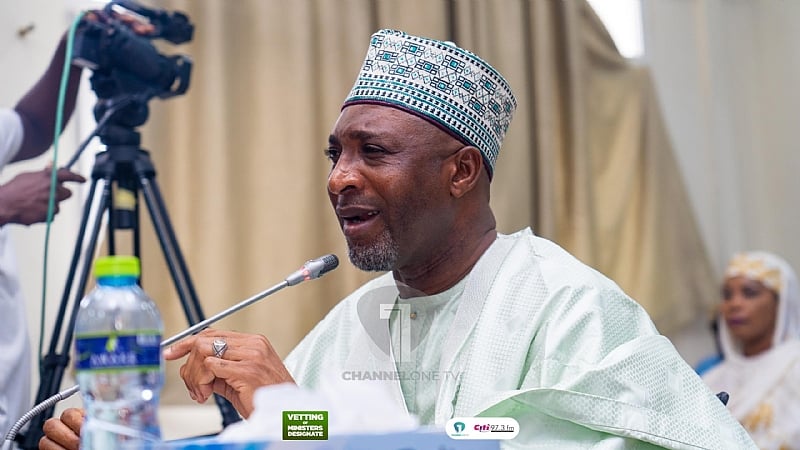
The Minister for the Interior, Muntaka Mubarak, has unveiled a proactive strategy aimed at bolstering the financial resources of the National Peace Council (NPC) in Ghana. This initiative centers around encouraging private sector contributions to the NPC by offering tax credits to corporations that make donations. Minister Mubarak underscored the critical role of the NPC, particularly in light of the increasing incidence of chieftaincy conflicts across the country. He believes that a well-resourced NPC is essential for proactive engagement and dialogue, which can effectively mitigate potential conflicts and maintain a peaceful environment conducive to national development. This proposed collaboration with the Finance Minister, Dr. Ato Forson, seeks to create a sustainable funding mechanism for the NPC, moving beyond reliance on government allocations and fostering a sense of shared responsibility for peacebuilding among private sector actors.
The urgency of this proposal stems from the recognized link between conflict and economic instability. Minister Mubarak highlighted the potential for even minor disturbances to escalate into widespread looting and disruption, jeopardizing businesses and livelihoods. By empowering the NPC to proactively address the root causes of conflict, the government aims to prevent such scenarios and safeguard the nation’s economic progress. The proposed tax credit scheme is designed to incentivize private sector investment in peacebuilding, recognizing that a peaceful environment is a prerequisite for sustainable economic development. This approach reflects a growing understanding that peace is not solely the responsibility of the government but a collective endeavor requiring the participation of all stakeholders.
The Minister’s emphasis on dialogue and engagement underscores a shift towards preventive rather than reactive approaches to conflict resolution. Instead of waiting for conflicts to erupt and then deploying resources for intervention, the strategy aims to preemptively address potential flashpoints through continuous dialogue and mediation. This proactive approach requires a consistently well-funded NPC equipped to engage with communities, traditional leaders, and other relevant actors. The tax credit scheme, therefore, is not merely a fundraising mechanism but a strategic investment in building the capacity of the NPC to effectively carry out its mandate. It represents a long-term commitment to nurturing a culture of peace and dialogue in Ghana.
The proposed collaboration between the Interior and Finance Ministries reflects a whole-of-government approach to peacebuilding. By working together, these two key ministries can develop a comprehensive and sustainable framework for funding the NPC. The Finance Ministry’s expertise in fiscal policy and tax administration will be crucial in designing a tax credit system that is both effective and equitable. This inter-ministerial cooperation also sends a strong signal to the private sector about the government’s commitment to peace and its recognition of the private sector’s role in achieving this goal. The success of this initiative will depend on the willingness of private corporations to embrace their social responsibility and contribute to the peace and stability of the nation.
The Minister’s visit to the NPC served not only as a platform to announce the proposed funding strategy but also as an opportunity to underscore the importance of the Council’s work. By highlighting the potential consequences of unresolved conflicts, Minister Mubarak emphasized the need for a robust and well-supported NPC. The proposed tax credit scheme is not just a financial instrument; it is a symbol of the government’s recognition of the NPC’s critical role in safeguarding national peace and security. It underscores the government’s belief that investing in peace is an investment in the future of the nation. The success of this initiative will ultimately depend on the collaborative efforts of the government, the private sector, and the NPC itself.
In conclusion, the Minister for the Interior’s proposal to introduce tax credits for donations to the National Peace Council represents a significant step towards strengthening the institution’s financial capacity and its ability to proactively address conflict. This initiative reflects a strategic shift towards preventive peacebuilding, emphasizing dialogue and engagement as key tools for maintaining social harmony. The proposed collaboration with the Finance Ministry signifies a whole-of-government approach, while the involvement of the private sector highlights the shared responsibility for building and sustaining peace. The success of this initiative will not only depend on the effective implementation of the tax credit scheme but also on the collective commitment of all stakeholders to invest in peace as a foundation for national development and prosperity.








