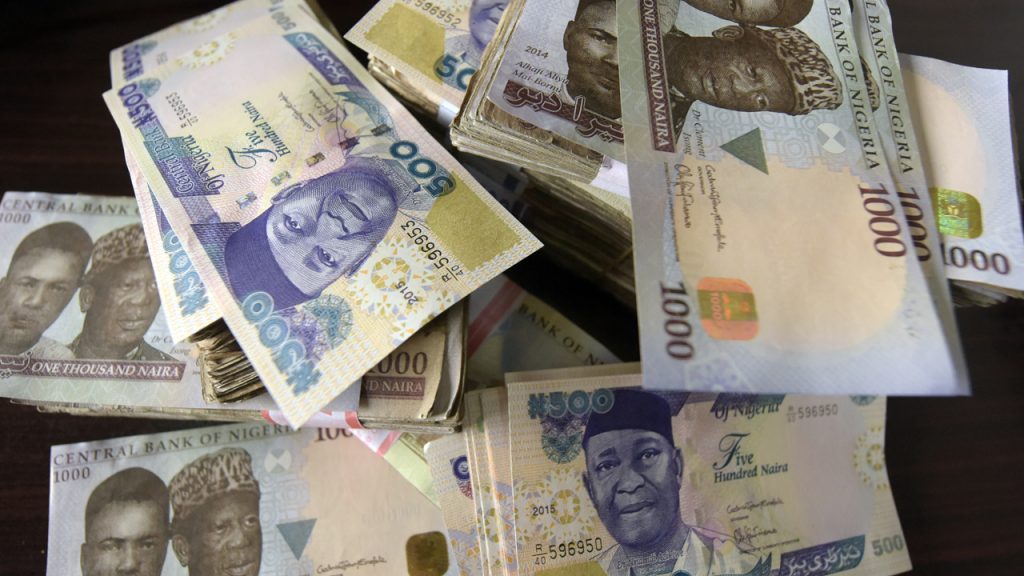
Nigeria’s public debt has witnessed a significant increase, rising by N12.6 trillion to reach a total of N134.3 trillion ($91.3 billion) by the second quarter of 2024. This represents a notable 10.35 percent increase from the N121.7 trillion ($91.5 billion) recorded in the first quarter. One of the primary factors contributing to this surge is the devaluation of the Nigerian naira. Despite the remarkable hike in the naira equivalent of the debt, the dollar amount remained relatively stable, indicating that while local currency debt has expanded, the external obligation in dollar terms has not surged similarly. This trend has raised concerns among investors and economic analysts about the sustainability and management of Nigeria’s mounting debt burden.
The data illustrates that the domestic debt component of Nigeria’s public debt has also grown substantially, climbing by N5.55 trillion or 8.45 percent, from N65.65 trillion in Q1 2024 to N71.2 trillion in Q2 2024. On the other hand, external debt experienced a more modest increase, with an additional $780 million, bringing it from $42.12 billion to $42.9 billion during the same period. This dual rise has led to domestic debt accounting for 53 percent of the total public debt stock, indicating a reliance on local financing mechanisms. Conversely, external debt comprises 47 percent of the total, an arrangement that reflects Nigeria’s mixed strategy in managing its financing needs.
Furthermore, Nigeria’s debt-to-GDP ratio has now surpassed the critical 50 percent threshold, highlighting a rising concern regarding its fiscal health. FGN Bonds (Federal Government of Nigeria Bonds) form the bulk of domestic debt at 78 percent, showcasing the government’s dependence on the local bond market for borrowing. Other domestic instruments include Nigerian Treasury Bills, Savings Bonds, Sukuk, Promissory Notes, and Green Bonds, which illustrate a diversified approach to national borrowing. On the international front, the composition of external debt is notable: multilateral loans make up 50.4 percent of the total, ensuring continued access to funds from international entities like the World Bank and the African Development Bank, which are vital for infrastructure and development projects.
At a recent investor meeting held on the sidelines of the World Bank/IMF annual meetings in Washington, D.C., Nigeria’s Finance Minister Wale Edun announced the successful issuance of a $500 million domestic bond, which was oversubscribed, generating over $900 million. Such investor confidence contrasts with the International Monetary Fund’s prior caution against launching this dollar-denominated bond. The bond was initially launched on August 15, with subscriptions commencing shortly after. Edun emphasized that while the IMF’s advice is respected, Nigeria retains the sovereign right to make its own financial decisions, underlining the country’s economic independence.
The finance minister affirmed the role of the IMF in lending support and facilitating policy reforms, recognizing the institution’s contributions to maintaining global financial system stability. Edun’s remarks captured a growing sentiment among nations that while international financial organizations provide critical assistance, adherence to their recommendations is not obligatory. His emphasis on the country’s ability to navigate its debt strategy reflects a push towards more autonomous economic management, an approach that balances external guidance with local interests and conditions.
As Nigeria navigates rising debt levels exacerbated by naira devaluation, the strategies employed center on balancing domestic resource mobilization and external financing while ensuring investor confidence and economic stability. The growing reliance on local bonds showcases a shift towards financing domestic needs, albeit with a critical eye on the sustainability of such debt levels. Meanwhile, the government’s approach to external loans from multilateral institutions underlines the importance of international partnerships in supporting Nigeria’s development objectives. Overall, the unfolding economic narrative in Nigeria indicates a pivotal moment as the nation reassesses its debt management strategies amid evolving global economic conditions.