





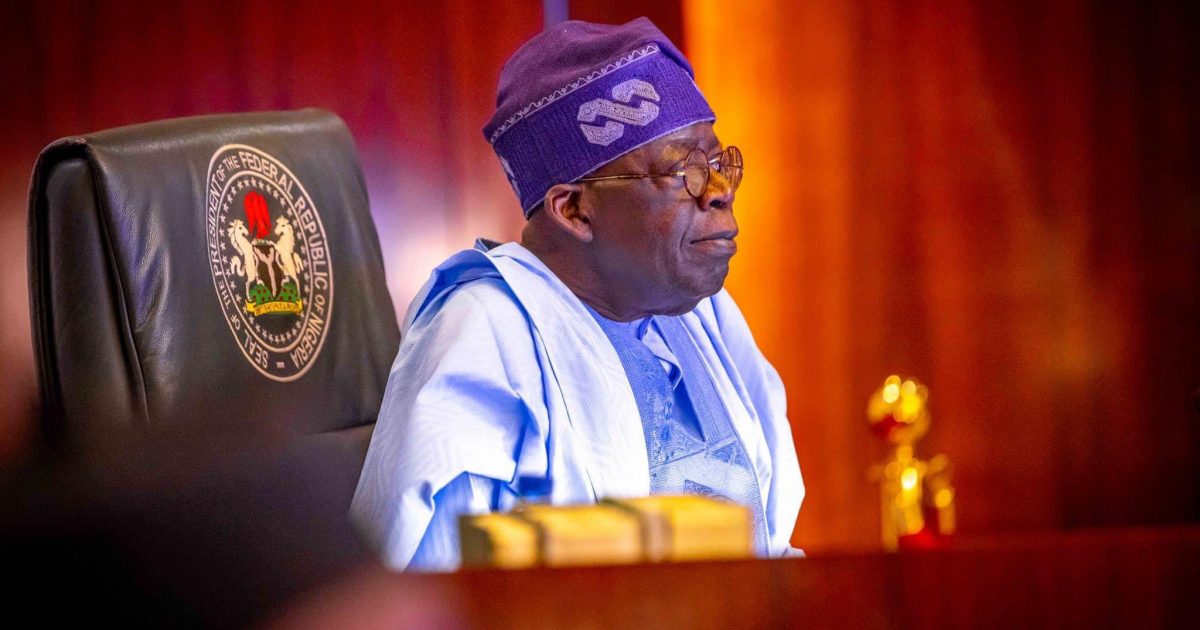
On Tuesday, President Bola Tinubu expressed his appreciation for the efforts of the Implementation Committee dedicated to the Naira-based transactions for crude oil and refined products, emphasizing the importance of addressing the early challenges faced by this initiative. The President reiterated that his administration would not revert to previous practices, which have created significant inefficiencies in the oil sector. This statement was made during a review meeting held at the State House in Abuja, where he outlined his vision for a more stable oil sector that is not dependent on foreign exchange complications for crude oil and refined commodity sales. The Special Adviser on Information and Strategy, Mr. Bayo Onanuga, communicated the essence of the meeting’s outcomes in a formal statement.
During the meeting, President Tinubu articulated that the introduction of Naira transactions for these critical commodities was intended to alleviate obstacles posed by fluctuating exchange rates. He stated that any solutions proposed must avoid recapitulating the challenges the country has faced over the last forty years in the oil industry. The President acknowledged that while there may need to be adjustments in costs and revenues related to oil, the overarching goal is to maintain a forward momentum rather than reverting to previous, ineffective strategies. This commitment reflects the administration’s determination to foster an evolving economic environment for the oil sector, which is essential for revitalizing the nation’s overall economy and improving the living conditions for Nigerians.
Moreover, Tinubu urged the various stakeholders involved in the oil sector, which includes significant players like the Nigerian National Petroleum Corporation Limited (NNPC) and Dangote Refinery, to contribute to national economic growth through increased local production. He highlighted the necessity of reducing the reliance on imported fuels by ensuring that enough petroleum products are supplied locally. This strategic move is anticipated to redirect foreign exchange earnings towards the development of Nigeria’s real sector and boost broader economic stability. The President’s call for stakeholders to engage in this inward-focused strategy is not only aimed at ensuring energy security but also at fostering sustainability within the local economy.
Another critical aspect of the discussion highlighted by President Tinubu was the recommendation for stakeholders to adopt Afreximbank as a settlement bank for Naira pricing of crude and refined products. He underscored that Afreximbank is prepared to serve as a financial advisor to facilitate this transition. The underlying strategy is to reformulate the oil market structure so that pricing decisions are based on market dynamics, allowing independent marketers and government entities to collaborate more efficiently. Tinubu emphasized the importance of resolving pertinent issues promptly to avoid any future inefficiencies and losses.
Finance Minister, Wale Edun, shared assurances with the President that the government’s pioneering move to sell crude oil in Naira would remain intact, distancing the administration from any direct involvement in setting exchange rates within the oil sector. This approach aims to sustain confidence in the new system and to encourage market-driven pricing, which is vital for attracting investment and maintaining stability. Aliko Dangote, CEO of the Dangote Group, reported on the refinery’s robust fuel reserves and its potential for collaboration with other refining entities to meet national demands effectively. His input supported the President’s vision of creating a self-sufficient oil sector capable of catering to local consumption needs.
The meeting also witnessed contributions from various stakeholders in the oil and economic sectors, including key figures from Afreximbank, the Federal Inland Revenue Service, and regulatory bodies. Zach Adedeji, who led the technical committee discussion, communicated an ambitious vision to cease the importation of refined products as Nigeria builds its capacity to suffice domestic requirements. This collaborative commitment from both government and industry leaders is poised to align with President Tinubu’s vision of transforming Nigeria into an export hub for refined products. Through these efforts, the Tinubu administration aims to not only stabilize the oil market but also reshape Nigeria’s economic landscape for sustainable growth and development in the years to come.








