Mahama’s "Reset Agenda": A Regression, Not a Progression for Ghana
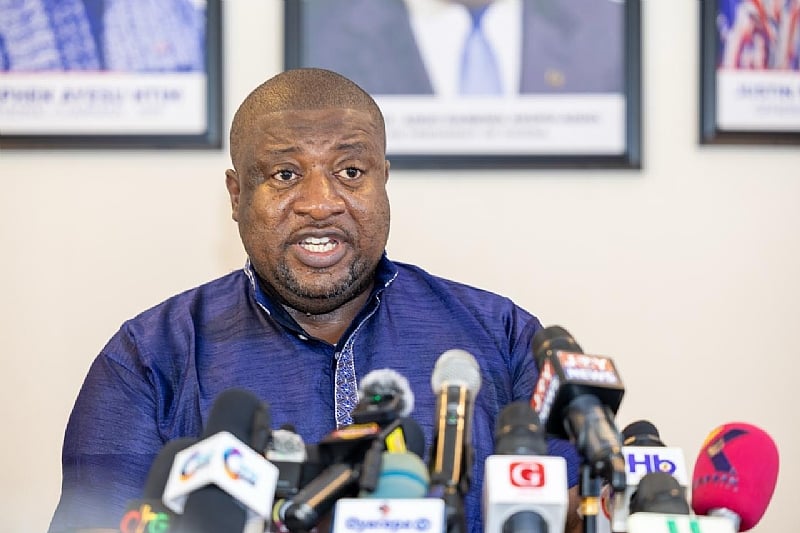
The return of John Dramani Mahama to the presidency has been met with a wave of policy changes framed as a "reset" for Ghana. However, these changes have sparked controversy and criticism, particularly from the opposition New Patriotic Party (NPP). Henry Nana Boakye, the NPP’s National Organizer, has emerged as a vocal critic, labeling the reset agenda as a regressive step that undermines democratic institutions, threatens economic stability, and prioritizes political vendettas over the welfare of ordinary Ghanaians. The NPP’s concerns center around several key actions taken by the Mahama administration, including the pursuit of former Finance Minister Ken Ofori-Atta, the revocation of public sector appointments made by the previous government, and what they perceive as selective justice favoring members of the ruling National Democratic Congress (NDC).
At the heart of the NPP’s critique is the assertion that the Mahama administration is engaging in politically motivated persecution disguised as a fight against corruption. The case of Ken Ofori-Atta exemplifies this concern. The Special Prosecutor’s declaration of Ofori-Atta as a fugitive, despite his documented medical leave abroad, has been condemned by the NPP as unreasonable and inhumane. They argue that this action, along with other targeted investigations, demonstrates a clear bias against political opponents and a disregard for due process. This perceived weaponization of anti-corruption mechanisms raises serious concerns about the fairness and impartiality of the justice system under the current administration. It casts a shadow over the government’s commitment to upholding the rule of law and creates an environment of fear and uncertainty, particularly for those who served in the previous administration.
The NPP also strongly criticizes the government’s decision to revoke public sector appointments made by the previous Akufo-Addo administration. This sweeping move has impacted thousands of individuals who secured employment through established bureaucratic processes, including rigorous vetting and financial clearance. The NPP argues that this decision is not only illegal but also profoundly damaging to the livelihoods of those affected. It disrupts the lives of ordinary citizens who relied on these positions for their economic well-being and raises questions about the stability and predictability of public sector employment. Furthermore, it creates an atmosphere of insecurity and distrust within the civil service, potentially impacting morale and productivity.
Further fueling the NPP’s concerns is the perceived double standard in the application of justice. Nana Boakye points to the stark contrast between the current administration’s treatment of political opponents and its handling of alleged corruption cases involving members of the NDC. He alleges that the government is using the newly established Office of the Registrar of Assets and Liabilities (ORAL) to target political rivals while simultaneously clearing NDC members of wrongdoing through the Attorney General’s office. This perceived selective application of justice undermines the credibility of the government’s anti-corruption efforts and reinforces the perception that the "reset" agenda is primarily aimed at consolidating power and silencing dissent.
The NPP draws a parallel between the current situation and the transition of power in 2017, when the Akufo-Addo administration honored late-stage appointments made by the outgoing Mahama government. This included key appointments to institutions like the Commission on Human Rights and Administrative Justice (CHRAJ) and the National Commission for Civic Education (NCCE). The NPP’s argument is that their respect for these appointments demonstrated a commitment to institutional continuity and a recognition of the legitimacy of the appointment process, regardless of political affiliation. The current administration’s actions, they argue, stand in stark contrast to this approach, revealing a disregard for precedent and a willingness to politicize public service appointments.
The NPP’s overall assessment of the Mahama "reset" is deeply pessimistic. They view it not as a genuine attempt to address the nation’s challenges but rather as a calculated strategy to consolidate power, silence dissent, and reward political allies. They argue that the government’s actions are eroding democratic institutions, creating economic instability, and fostering a climate of fear and uncertainty. They call on Ghanaians to remain vigilant and resist what they see as an assault on the principles of good governance and the rule of law. The NPP’s message is a call to action, urging citizens, civil society organizations, and labor unions to hold the Mahama administration accountable and demand a course correction that prioritizes the welfare of the nation over partisan interests. They argue that Ghana needs progress, not regression, and that the current trajectory is a betrayal of the promises made to the electorate.