





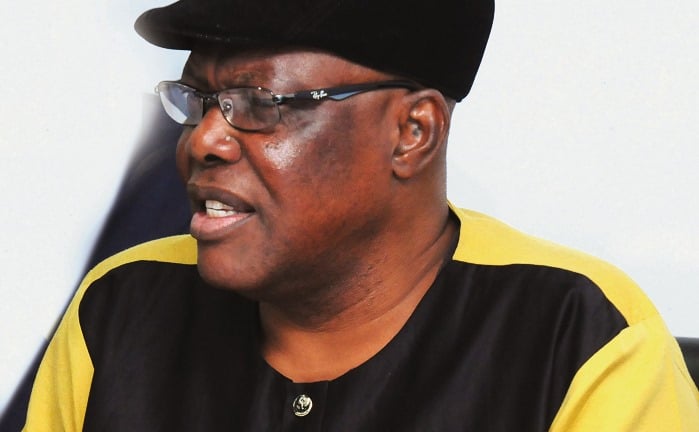
Nana Kwasi Gyan-Apenteng, a towering figure in Ghanaian journalism and media governance, passed away in London on May 26, 2024, at the age of 74. His life and career represented a profound commitment to journalistic excellence, media development, and Pan-African ideals. From his early days as a staff writer at the Daily Graphic to his chairmanship of the National Media Commission, Gyan-Apenteng consistently championed ethical journalism, robust media institutions, and the power of communication to drive positive social change. His legacy extends beyond Ghana’s borders, encompassing contributions to Pan-African media and international organizations. He leaves behind a rich tapestry of achievements that continue to inspire generations of journalists and media professionals.
Gyan-Apenteng’s journalistic journey began in 1982 at the Daily Graphic, one of Ghana’s leading newspapers. He quickly rose through the ranks, serving as Foreign News Editor and acting Editor, honing his skills in reporting, editing, and news analysis. His tenure at the Daily Graphic laid the foundation for a career characterized by meticulous attention to detail, a commitment to accuracy, and a deep understanding of the power of the press. This experience shaped his later work in media governance and advocacy, where he emphasized the role of a free and responsible press in a democratic society.
His influence extended beyond the newsroom. As editor of The Mirror weekly newspaper, Gyan-Apenteng introduced innovative news features and established himself as a respected columnist, offering insightful commentary on current affairs. His writing was marked by clarity, intellectual rigor, and a deep understanding of the social and political dynamics shaping Ghana and the wider African continent. This period solidified his reputation as a thoughtful and engaging voice in public discourse, a reputation that he maintained throughout his career.
The late 1980s and early 1990s saw Gyan-Apenteng broaden his horizons, taking his journalistic expertise to the international stage. Serving as deputy editor of the London-based West Africa magazine, he gained invaluable experience in international media and developed a deeper understanding of the complexities of global affairs. His commitment to Pan-Africanism found expression in the co-founding of Ghana News magazine and the establishment of African Topics magazine, a publication dedicated to exploring issues of governance and human rights across the continent. These ventures underscored his belief in the importance of African voices shaping narratives about the continent’s future.
Returning to Ghana in the 1990s, Gyan-Apenteng continued to contribute to the media landscape while expanding his role as a communications consultant and trainer. He led communications at the Third World Network, editing its monthly magazine, Africa Agenda, and worked with a diverse range of organizations, including MTN Ghana, UN agencies, the Media Foundation for West Africa, and STAR Ghana. His expertise in communications and media development was highly sought after, reflecting his deep understanding of the power of effective communication to drive social and economic progress.
Beyond his contributions to journalism and media development, Gyan-Apenteng actively engaged in broader societal roles. He served as President of the Ghana Association of Writers, nurturing the next generation of literary talent. He also held the traditional title of Apagyahene of Tafo Eti in the Eastern Region, demonstrating his connection to his cultural heritage and his commitment to community service. His academic pursuits included part-time lecturing at Vauxhall College in London and the European University Centre for Peace Studies in Austria, further highlighting his dedication to education and the pursuit of knowledge. These diverse experiences enriched his perspective and informed his multifaceted contributions to Ghanaian society. His legacy stands as a testament to a life dedicated to the advancement of journalism, media freedom, and the betterment of Ghana and the African continent.








