





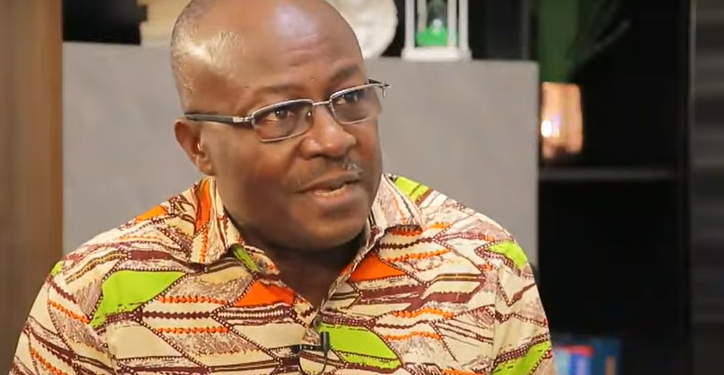
Nana Ohene Ntow, a key advisor to Alan Kyerematen, the driving force behind the Movement for Change, delivered a stark assessment of Ghana’s political landscape following the 2024 general elections. He argued that an NPP victory would have been catastrophic for the nation, given the prevailing economic and social challenges. Ntow pointed to a confluence of factors that had eroded public trust and confidence in the NPP government, including rampant corruption, an arrogant display of power, economic mismanagement, escalating hardship among the populace, and the unchecked devastation caused by illegal mining, commonly known as “galamsey.” He believed that these issues, left unaddressed, would have driven Ghana towards a precipice of irreversible decline.
Ntow’s assertion underscores the deep-seated discontent that characterized the pre-election atmosphere. The NPP’s tenure was marred by accusations of corruption, with critics alleging that public resources were being siphoned off for personal gain. This perception of impropriety, coupled with what many saw as an aloof and unresponsive leadership style, fueled public anger and disillusionment. The economic hardship experienced by many Ghanaians, despite government claims of progress, further exacerbated this sentiment. Rising living costs, coupled with limited employment opportunities, created a sense of desperation and hopelessness, particularly among the youth. The environmental degradation caused by “galamsey” added another layer to the public’s grievances, as it not only threatened livelihoods but also compromised the nation’s natural heritage.
The Movement for Change, spearheaded by Alan Kyerematen, emerged as a platform advocating for a fundamental shift in Ghana’s governance. Ntow emphasized that the movement’s core message resonated with a populace yearning for tangible, impactful change. This resonates with the broader theme of accountability and responsiveness in governance. The movement’s call for change found fertile ground among Ghanaians who felt marginalized and unheard by the existing political establishment. Their message tapped into a widespread desire for a leadership that prioritized the needs of the people and demonstrated a genuine commitment to addressing the nation’s challenges.
The December 7th elections resulted in a decisive victory for John Dramani Mahama of the National Democratic Congress (NDC), who garnered 56.55% of the votes, defeating his main rival, Dr. Mahamudu Bawumia of the NPP, who secured 41.61%. This outcome, according to Ntow, reflected a clear rejection of the status quo by the Ghanaian electorate. It signaled a yearning for a new direction, a departure from the policies and practices of the outgoing administration. The vote was a powerful expression of the public’s desire for change, a testament to the deep-seated dissatisfaction that had permeated the political landscape.
Ntow acknowledged that the change brought about by the election might not be as radical or immediate as some might have hoped. However, he viewed it as a crucial first step towards challenging and ultimately reshaping the trajectory of Ghanaian politics. He emphasized the importance of continued vigilance and engagement from the citizenry to ensure that the incoming administration lived up to its promises and delivered on the mandate for change. The election, in his view, was not an end in itself but a catalyst for a broader transformation of the political landscape.
In essence, Ntow’s perspective encapsulates the complex interplay of factors that shaped the outcome of the 2024 Ghanaian elections. He highlights the critical role of public sentiment, the power of collective action, and the importance of holding leaders accountable. His analysis suggests that the election was not simply a contest between political parties but a referendum on the prevailing state of affairs. The Ghanaian people, through their vote, expressed a clear desire for a new era of governance, one marked by integrity, responsiveness, and a genuine commitment to addressing the nation’s challenges. The election, therefore, represents a pivotal moment in Ghana’s political history, a turning point that holds the promise of a more just and prosperous future.








