









The Nasarawa State Government unearthed a significant teacher recruitment scandal within its Teachers Service Commission (TSC), revealing a blatant disregard for established procedures and ethical conduct. An investigative committee, established to probe recruitment practices across the state’s 13 Local Government Areas, discovered that the TSC had illegally employed 2,277 teachers, exceeding the government-approved quota of 1,000 by a staggering 2,277. This revelation followed persistent rumors of irregularities within the TSC, prompting the state government to suspend the commission’s officials and initiate a thorough investigation. The committee’s findings confirmed the existence of a deeply flawed and corrupt recruitment process, jeopardizing the state’s efforts to improve its educational standards.
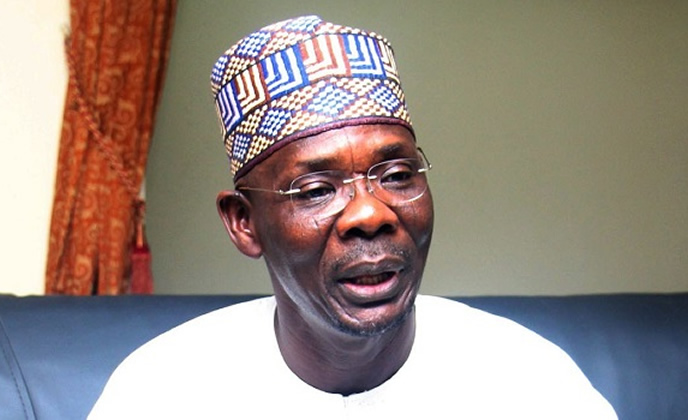
Governor Abdullahi Sule, upon receiving the committee’s report, expressed profound disappointment and anger at the TSC’s actions. He condemned the suspended officials for their blatant disregard of his directive, emphasizing that their actions were not only administratively wrong but also potentially criminal. The governor lamented the exploitation of vulnerable applicants who were allegedly coerced into paying exorbitant sums of money, ranging from N500,000 to N700,000, in exchange for appointment letters. He vowed to refer the implicated officials to security agencies for further investigation and prosecution, highlighting the gravity of their alleged extortion and the need to ensure justice for the victims. Beyond the financial implications, Governor Sule expressed grave concern about the quality of education being delivered in the state, given the questionable qualifications of the illegally recruited teachers.
The governor’s primary concern centered on the negative impact this scandal would have on the future of Nasarawa State’s children. He questioned the rationale behind recruiting over three times the approved number of teachers, highlighting the logistical and financial challenges of accommodating such a large influx of educators. He pointed out the impossibility of effectively deploying such a large number of teachers, especially in rural areas where schools often have limited capacity. The governor emphasized that recruitment should be based on need and merit, not political considerations or personal gain. He stressed the importance of having qualified and competent teachers to improve the state’s educational standing, which has historically lagged behind other regions in Nigeria.
The investigative committee, chaired by Silas Dachor, meticulously documented the TSC’s transgressions. Their report revealed a pattern of insubordination, disregard for due process, and unethical practices. The committee found that the TSC not only exceeded the approved recruitment quota but also failed to adhere to established procedures, including obtaining necessary approvals from the governor. The recruitment process lacked transparency and fairness, with evidence suggesting that appointments were based on favoritism and bribery rather than merit. The committee also discovered that the recruitment did not align with the actual needs of the school system, further highlighting the TSC’s disregard for proper planning and resource allocation.
The committee’s findings painted a grim picture of a recruitment process riddled with inconsistencies, haphazard procedures, and a complete lack of accountability. The report detailed how the TSC created a bank account specifically for applicants to deposit “appreciation” fees, ranging from N500,000 to N700,000, in exchange for appointment letters. This practice effectively transformed the recruitment exercise into a lucrative racketeering venture, preying on the desperation of job seekers. The committee’s report served as a stark reminder of the consequences of corruption and the urgent need for reform within the state’s education system.
While acknowledging the committee’s recommendation to compensate all illegally recruited teachers who had been posted to schools, Governor Sule clarified that their appointments would be terminated after payment. He reiterated the impossibility of retaining such a large number of unqualified teachers, emphasizing that doing so would be detrimental to the state’s educational goals. The governor commended the investigative committee for their thorough and diligent work, expressing his gratitude for their commitment to uncovering the truth and recommending corrective measures. He assured the public that his administration would take decisive action to address the issues raised in the report and restore integrity to the teacher recruitment process. The governor’s commitment to transparency and accountability signaled a renewed focus on improving the quality of education in Nasarawa State and ensuring that the future of its children is not compromised by corrupt practices.









