





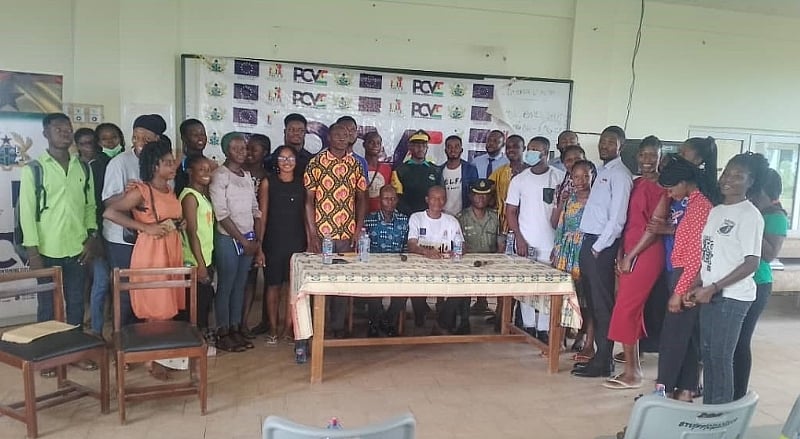
The National Commission for Civic Education (NCCE) has taken a proactive step by organizing a sensitization session for students at Bolgatanga Technical University in the Upper East Region, with the express purpose of promoting peace and awareness about the prevention of violent extremism in the context of Ghana’s upcoming 2024 elections. This initiative is part of the second phase of the “Preventing and Containing Violent Extremism” project, which spans across five Northern Regions and three adjacent areas, sponsored by the European Union. The essence of this program is to foster a culture of peace and resilience among the youth, equipping them with the tools to counteract extremist ideologies within their communities.
Centered around the themes of peacebuilding and community security, the session aimed to arm students with the necessary knowledge to identify and resist extremist influences. Significant topics addressed during the discussion included mechanisms of peacebuilding, social cohesion, and strategies to counter the proliferation of arms. This initiative is geared towards cultivating an informed student body that actively engages in promoting non-violence and supporting communal harmony, particularly as the country moves closer to a politically charged election period.
During the session, Upper East Regional NCCE Director, Mr. James Abdulai Ayaala, encouraged the students to take on the role of peace ambassadors within their communities. He underscored the importance of vigilance and proactive behavior, advising students to be observant of their surroundings and report any suspicious activities to law enforcement. He emphasized the motto, “See Something, Say Something,” as a guiding principle for students, thereby instilling a sense of responsibility in them to contribute to a peaceful environment.
Superintendent of Immigration, Mr. David Nii Noi Nartey, also addressed the students, warning them against potential manipulations by politicians or extremist groups that may incite them to engage in violence. He asserted the significance of their lives as citizens and cautioned against allowing any political motivations to compromise their safety or lead them into illegal activities. His message highlighted the dangers of being used as pawns in politically motivated violence and urged students to recognize the value of their lives over any fleeting benefits tied to political engagement.
Furthermore, Mr. Milton Aberinga, the Programmes Director at the Development Research and Advocacy Centre (DRAC), implored the students to focus on informed decision-making when it comes to voting. He stressed the importance of rejecting vote-buying and instead prioritizing the assessment of policies and issues. Aberinga highlighted the dangers of misinformation and its potential to escalate tensions that could result in violence, urging students to fact-check information before disseminating it. In this way, he aimed to cultivate a politically savvy electorate, capable of making decisions based on substantive issues rather than ethnic ties or monetary incentives.
The presence of ECOWAS election observers during the session reinforced the significance of accountability and transparency in the electoral process. They outlined their role in monitoring elections across member states to ensure that forthcoming elections are conducted in a free, fair, and credible manner. The sensitization program serves not only as a timely reminder of the importance of peace and civic responsibility but also seeks to equip the younger generation with the skills necessary to act against violent extremism as Ghana gears up for the 2024 general elections. As such, this initiative stands as a critical component of national efforts to ensure that the electoral climate remains stable and secure, prioritizing the well-being of the citizenry and the integrity of the democratic process.








