





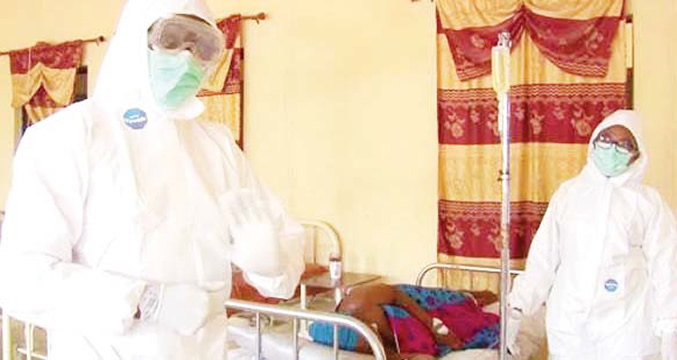
The ongoing Lassa fever outbreak in Nigeria has raised significant health concerns, as presented in the Nigeria Centre for Disease Control and Prevention’s (NCDC) report for 2024. As of October 6, 2024, there have been 1,025 confirmed cases and 8,484 suspected cases across 28 states and 128 local government areas in Nigeria. The disease has led to 174 fatalities, resulting in a Case Fatality Rate (CFR) of 17.0%. These figures highlight the serious impact of the virus, which is endemic to various regions in West Africa, including Nigeria where it has persistently threatened public health.
Lassa fever is an acute viral hemorrhagic illness caused by the Lassa virus, a member of the arenavirus family. The primary mode of transmission to humans occurs through contact with food or household items contaminated by the urine or feces of the Mastomys rat, the primary animal reservoir of the virus. The disease is endemic in countries such as Benin, Ghana, Guinea, Liberia, Mali, Sierra Leone, Togo, and Nigeria, and it likely persists in other West African nations as well. In addition to rodent-to-human transmission, the virus can also spread through person-to-person contact and laboratory exposure, particularly in healthcare settings that lack adequate infection prevention measures, according to the World Health Organization (WHO).
The NCDC’s report indicates a slight decline in new confirmed cases of Lassa fever in the latest epidemiological week, dropping from nine cases in week 39 to seven in week 40. The majority of recent confirmed cases have been concentrated in Ondo and Edo states, consistent with patterns observed throughout the year. Overall, a troubling trend is evident, with a total of 174 reported deaths this year reflecting a consistent CFR when compared with data from 2023. The cumulative results from January to October 2024 underscore a worrying prevalence of the disease, with a notable distribution of cases indicating that 68% of confirmed cases arose from just three states: Ondo, Edo, and Bauchi.
Demographically, the most affected age group ranges from 31 to 40 years, highlighting the vulnerability of adults within the community. The median age of those affected is 32 years, with the incidence rates showing a balanced male-to-female ratio of 1:1 among confirmed cases. Interestingly, there has been a reported increase in the number of suspected cases throughout the year when compared to the same timeframe in 2023. Such demographic insights reveal the need for targeted public health interventions aimed at these specific age groups and gender.
In response to the ongoing outbreak, the National Lassa fever multi-partner, multi-sectoral Technical Working Group is actively coordinating various response activities aimed at mitigating the impact of the disease. Their efforts encompass different levels of health systems, engaging various stakeholders to enhance early detection, treatment, and public awareness programs. Continuous collaboration is essential in order to combat the disease effectively, including improving healthcare infrastructure and infection control practices that can prevent both rodent transmission and human-to-human spread.
In conclusion, the scourge of Lassa fever in Nigeria continues to pose a significant health threat, characterized by high morbidity and mortality rates. The report from the NCDC emphasizes both the need for immediate public health response and the importance of ongoing surveillance and education regarding the disease. As more cases may arise during specific seasons and conditions, continuous research, effective vaccine development, and enhanced community engagement will be critical in the fight against this pervasive viral infection in Nigeria and across West Africa.








