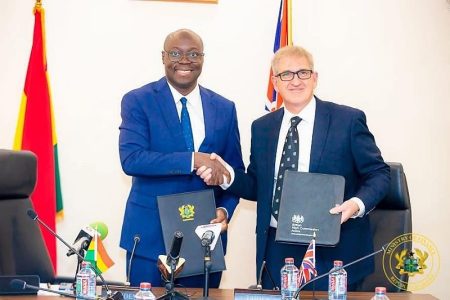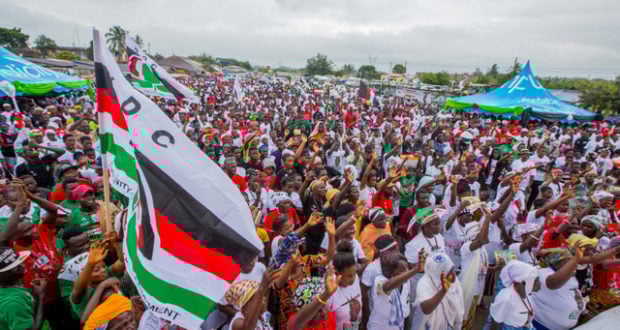
The political landscape of Ghana experienced a seismic shift with the unexpected victory of John Dramani Mahama, the National Democratic Congress (NDC) candidate, in the presidential election. The victory was particularly striking due to the jubilant celebrations that erupted in the Ashanti Region, a traditional stronghold of the opposing New Patriotic Party (NPP). This unprecedented display of support for the NDC in the Ashanti Region signaled a significant realignment of political allegiances and marked a historic moment in Ghanaian politics. The celebrations, characterized by singing, dancing, and the waving of NDC flags, reflected a groundswell of support for Mahama and the NDC’s vision for the future. This public outpouring of enthusiasm highlighted the depth of the shift in voter sentiment and the widespread hope for change under Mahama’s leadership.
The catalyst for these widespread celebrations was the concession of defeat by Dr. Mahamudu Bawumia, the NPP’s flagbearer. While the official declaration from the Electoral Commission was still pending, Bawumia’s preemptive acknowledgment of Mahama’s victory was a pivotal moment. This gesture, widely praised for its maturity and grace, set the tone for a peaceful transition of power and demonstrated respect for the democratic process. By conceding defeat, Bawumia not only acknowledged the will of the people but also helped to diffuse potential tensions and maintain the dignity of the NPP despite the electoral setback. This act of statesmanship contributed significantly to the overall sense of unity and hope that permeated the post-election atmosphere.
The Ashanti Region’s transformation into a center of NDC jubilation further amplified the significance of Mahama’s victory. Historically a bastion of NPP support, the region’s enthusiastic embrace of the NDC represents a profound shift in the political dynamics of Ghana. This unexpected surge of support for Mahama in the Ashanti Region underscores the broad appeal of his campaign message and the widespread desire for change. The celebrations in the Ashanti Region were not mere expressions of electoral victory; they symbolized a realignment of political loyalties and a renewed sense of hope for the future under Mahama’s leadership. The vibrant scenes of celebration signaled a potential weakening of the NPP’s grip on the region and a strengthening of the NDC’s presence, potentially reshaping the political landscape for future elections.
The nationwide celebrations among NDC supporters were more than just a reaction to Mahama’s victory; they represented a renewed sense of hope and empowerment for many Ghanaians. After a period of political division and economic challenges, Mahama’s victory was seen by many as a fresh start and an opportunity for positive change. The jubilant celebrations reflected a collective desire for progress, unity, and a brighter future for the nation. This widespread optimism signaled a renewed faith in the democratic process and the potential for positive change under a new administration. The celebrations served as a powerful reminder of the importance of civic engagement and the power of the people to shape their own destiny.
The significance of the NDC’s victory, particularly in the Ashanti Region, extends beyond the immediate election results. It signifies a potential long-term shift in Ghana’s political landscape, with the NDC gaining ground in a traditionally NPP-dominated area. This shift could have significant implications for future elections and the balance of power within the country’s political system. The Ashanti Region’s embrace of the NDC suggests a growing receptiveness to alternative political perspectives and a willingness to challenge established political allegiances. This dynamic could lead to a more competitive and dynamic political environment in the future, with both parties vying for support in previously uncontested territories.
The celebrations that followed Mahama’s victory, particularly in the Ashanti Region, symbolize a pivotal moment in Ghana’s political history. They represent not just an electoral win for the NDC but also a potential realignment of political forces, a renewed sense of hope for the future, and a reaffirmation of the democratic process. The peaceful transition of power, facilitated by Bawumia’s concession, further strengthens Ghana’s democratic institutions and sets a positive example for other nations in the region. The events surrounding this election signify a potential turning point in Ghanaian politics, with the potential to reshape the political landscape for years to come. The celebrations serve as a testament to the power of the people’s voice and their unwavering belief in the possibility of a brighter future.