









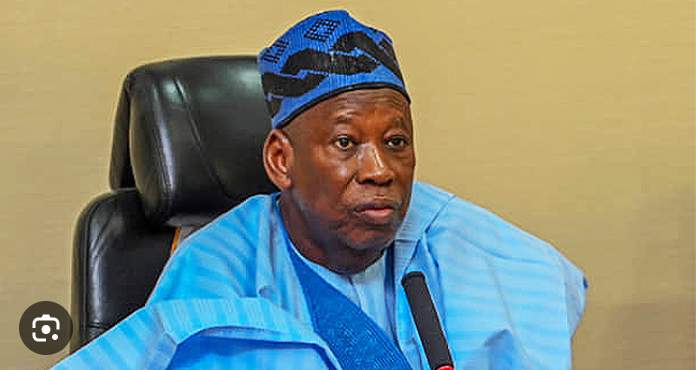
The All Progressives Congress (APC), Nigeria’s ruling political party, finds itself navigating the complexities of scheduling crucial internal meetings amidst a backdrop of political maneuvering and public scrutiny. The National Executive Committee (NEC) and the National Caucus meetings, two pivotal gatherings for the party’s strategic direction, have been postponed since their originally scheduled dates in September 2023. This delay has sparked speculation and concern, particularly as these meetings would mark the first such gatherings under the leadership of the newly appointed National Chairman, Dr. Abdullahi Ganduje.
The importance of these meetings is underscored by the expected attendance of key political figures, including President Bola Tinubu, Vice President Kashim Shettima, former President Muhammadu Buhari, serving and former governors, Senate presidents, Speakers of the House of Representatives, state party chairmen, and members of the National Working Committee (NWC). Such a congregation highlights the significance of these sessions in shaping the party’s agenda, addressing internal matters, and consolidating its political power. The delay, therefore, inevitably raises questions about the internal dynamics within the APC and the potential challenges facing the new leadership.
While the party has remained tight-lipped about the reasons for the postponement and the rescheduled dates, internal discussions are ongoing. Senator Ajibola Basiru, the National Secretary of the APC, has confirmed that efforts are underway to convene the NEC and Caucus meetings as soon as possible. He acknowledged the concerns raised by prominent figures like former Kaduna State Governor, Nasir El-Rufai, regarding the delay, emphasizing that the party is actively working towards finalizing a new schedule. Although rumors of a February date have circulated, the party has neither confirmed nor denied these speculations, maintaining an air of ambiguity surrounding the timing of these crucial meetings.
This cautious approach might be attributed to several factors. The APC is likely navigating a complex political landscape, requiring careful consideration of various internal and external dynamics before convening these high-profile gatherings. Coordinating the schedules of key political figures, particularly the President and Vice President, adds another layer of complexity. Furthermore, the party might be strategically choosing the timing of these meetings to coincide with significant political developments or to maximize their impact on the national political discourse.
The legal implications of holding the NEC meeting are also a factor. Professor Abdulkareem Kana, the National Legal Adviser, highlighted the importance of ensuring the “timing is right” to accommodate the involvement of all key stakeholders, including the President, Vice President, and the Party Chairman. This suggests a meticulous approach to ensure the meetings comply with all legal and constitutional requirements, avoiding any potential challenges to their legitimacy. The careful orchestration of these meetings reflects the party’s awareness of the legal and political ramifications of such gatherings.
Adding to the intrigue, the party’s communication strategy surrounding the postponement has been characterized by a degree of reticence. While acknowledging the need to convene these meetings, the APC has refrained from providing concrete timelines or explanations for the delay. This controlled information flow might be a deliberate tactic to manage expectations and avoid fueling speculation while internal consultations continue. Statements from party officials like Nze Chidi Duru, the Deputy National Organising Secretary, confirming that a new date is “in the works” offer reassurance without disclosing specifics, reflecting a calculated approach to managing public perception. This calculated ambiguity allows the party to maintain control over the narrative while navigating the complex logistics and political considerations involved in scheduling such crucial meetings.









