





The Nigerian Education Loan Fund (NELFUND) has emerged as a significant intervention agency, established by the Federal Government to address the financial challenges faced by students in tertiary institutions across Nigeria. Since its inception, the Fund has disbursed over N104 billion to assist students with their educational expenses. This financial support is categorized into two main types: institutional fees, which are paid directly to the educational institutions on behalf of applicants, and upkeep loans, which are deposited into the applicants’ personal accounts. As of late November 2024, NELFUND has processed over 320,000 applications for institutional fees, resulting in the disbursement of approximately N33.9 billion, while around N70.2 billion has been allocated for upkeep loans to nearly 293,000 students.
Beneficiaries of the Nigerian Education Loan Fund have expressed their gratitude for the financial relief the loan program has provided. Tomi, a student at the University of Ilorin, emphasized how the upkeep loan has allowed him to focus on his studies without financial strain, enabling him to manage his living expenses independently of his parents. Similarly, Muhammed Ibrahim from Usman Dan-Fodio University in Sokoto remarked that the loan program alleviates the financial burdens on parents who previously struggled to fund their children’s education. He encouraged others to take advantage of the no-interest loans, highlighting the ease of repayment.
In a significant legislative development, President Bola Tinubu signed the Student Loans (Access to Higher Education) Act (Repeal and Re-Enactment) Bill, 2024, enhancing the legal framework surrounding student loans in Nigeria. This follow-up legislation was built upon discussions and reviews from both houses of the National Assembly, refining the existing Student Loans (Access to Higher Education) Act of 2023. The newly enacted law aims to establish the Nigerian Education Loan Fund as a corporate entity responsible for managing funds intended for student loans, thereby facilitating greater access to higher education and vocational training across the country.
The Act explicitly authorizes the Nigeria Education Loan Fund to issue loans for tuition expenses, fees, and living costs for students enrolled in recognized public tertiary institutions and vocational programs. By creating a structured framework, the government aims to ensure that students with financial needs can access the funds required for a quality education. This initiative signifies a recognition of the role education plays in national development and underscores the commitment to enhance access to higher learning for all Nigerian citizens.
The repayment aspect of the loan program has also been noteworthy, with previous beneficiaries of earlier student loan schemes demonstrating a willingness to pay back funds to support the sustainability of NELFUND. In a remarkable act of corporate responsibility, Adegboyega Awomolo, a Senior Advocate of Nigeria and former recipient of a student loan in the 1970s, repaid N2 million to the Fund. Likewise, Lanre Laoshe, a former member of the House of Representatives, returned N3,189,217—more than double the amount he had borrowed decades earlier—further showcasing the long-term value of investing in students.
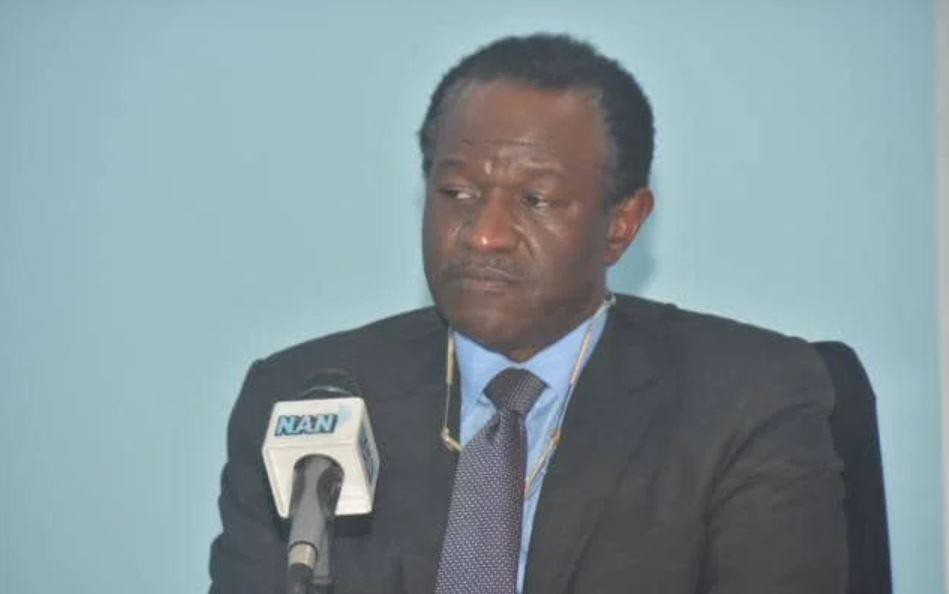
To maximize awareness and utilization of the available resources, Akintunde Sawyerr, the Managing Director of NELFUND, has been proactive in engaging with students across various tertiary institutions, actively promoting the benefits and accessibility of the loan scheme. His outreach initiatives aim to educate potential borrowers about the application process and the advantageous terms associated with the loans. By fostering a better understanding of the program, NELFUND hopes to empower more students to apply and reap the benefits of financial assistance for their education, thereby contributing to a more educated and skilled workforce in Nigeria.








