





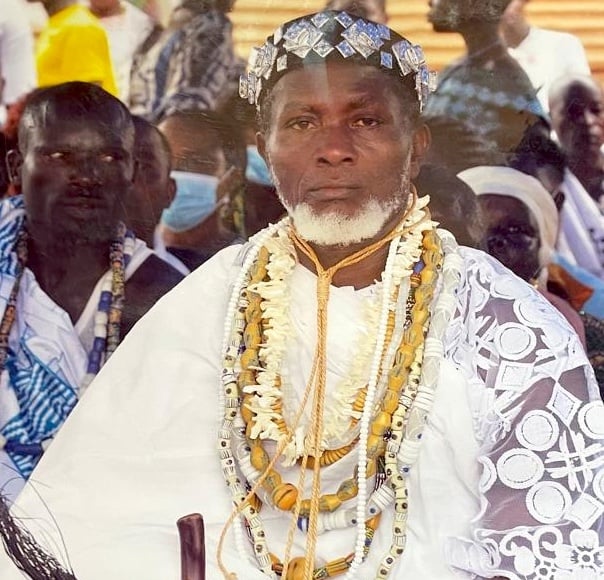
Nene Hakpo Adibuertey Puplampu IV has been formally recognized by the Royal Adibiawe Clan as the legitimate Chief of Hwakpo in the Ada West district of Ghana’s Greater Accra region. The clan claims exclusive traditional rights to the Hwakpo lands, which they assert were inherited from their ancestors. Amidst rising tensions stirred by unnamed individuals claiming Nene Hakpo is a self-styled chief, the elders convened to reaffirm their ownership and the established processes dictating the appointment of chiefs in their territory. They stressed that any disputes over chieftaincy or land ownership are unfounded, as the Adibiawe Clan maintains that only they have the authority to appoint their chief, insisting that this heritage is widely recognized in the community.
The historical context of the chieftaincy in Hwakpo stretches back to the 16th and 17th centuries, with formal records commencing in 1924. The elders recounted a lineage including several notable chiefs, culminating in Nene Teyebi Puplampu III, who served as chief until his passing in 2019. Following customary procedures of succession and installation, Nene Hakpo was nominated and formally installed as chief, emphasizing the continuity of the chieftaincy tradition in Hwakpo. The clan reiterated the historical significance of their land, highlighting its status as a refuge during conflicts and its role in preserving their cultural heritage.
Nene Hakpo shared his experiences regarding ongoing chieftaincy disputes, particularly involving the Ackwerh family. Although the Ada paramountcy backed the Ackwerh claim to the chieftaincy, Nene Hakpo legally contested this decision. His victory in court reaffirmed that the paramount chief lacked the jurisdiction to intervene in chieftaincy matters. Despite the ruling, the Ada Traditional Council allegedly circumvented legal protocols by prematurely gazetting a candidate from the Ackwerh family, raising concerns about due process. The Royal Adebiawe Clan therefore maintains that Nene Hakpo remains the rightful chief of Hwakpo as the adjudication process regarding the disputed chieftaincy continues.
Local stakeholders have voiced their concerns over the Ada Traditional Authority’s role in fueling ongoing conflicts surrounding chieftaincy disputes in the area. Allegations of bias, unprofessionalism, and impropriety within the council have emerged, with some residents claiming that the adjudication processes have devolved into transactions driven by financial incentives. They cited instances where the council requested substantial payments to process their cases but failed to deliver outcomes. Such accusations have prompted calls for an independent inquiry into the council’s operations and handling of chieftaincy issues affecting the community.
Nene Hakpo also expressed concern about the alleged involvement of police in such disputes, claiming that law enforcement has been used to intimidate him and his supporters. He criticized the preferential treatment given to the opposing Ackwerh family and reported several instances where complaints made by his side were ignored by the authorities. This perceived partiality resulted in several unfounded allegations being levelled against him, which he argues contribute to an ongoing campaign of defamation orchestrated by opposing factions seeking to undermine his legitimacy as chief.
In addition to these disputes, the community marked National Libation Day, advocating for its recognition as a national holiday for traditional worship in Ghana. Present at the event were various traditional priests who emphasized the importance of acknowledging and respecting indigenous practices. The Royal Adebiawe Clan expressed their support for this initiative, critiquing the marginalization of traditional worship compared to national holidays established for churches. They hope for the continued celebration of National Libation Day in subsequent years, encouraging unity among traditionalists and affirming the cultural identity rooted in their ancestral practices.








