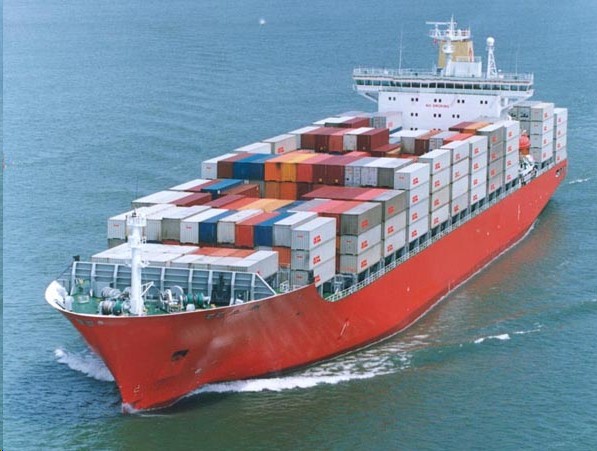
The United Nations Conference on Trade and Development (UNCTAD) reported a significant increase in port calls by container ships and tankers in Africa, marking a 20% rise for container ships and an impressive 38% for tankers between the first quarter of 2018 and 2023. These figures demonstrate a trend of record-breaking increases in maritime activity across the continent, with Nigeria and other African nations at the forefront. In its 2024 Review of Maritime Transport, UNCTAD, led by Secretary-General Rebeca Grynspan, highlighted the need for enhanced investments in port infrastructure to address recurring issues of congestion while simultaneously boosting trade efficiency. The steep growth in port calls reflects the region’s developing maritime environment, making investment in infrastructure a critical focus for sustaining this upward trend.
UNCTAD further emphasized that enhancing port facilities would yield significant benefits beyond merely alleviating bottlenecks. Improved infrastructure is essential for boosting climate resilience and creating a seamless flow of cargo movement, which is vital for trade facilitation. The report underscores that between 2018 and 2023, Africa faced significant challenges, including external crises such as the Red Sea shipping disruptions, but responded effectively by making advances in vessel performance, trade facilitation, and initiating a transition toward cleaner energy solutions. This proactive approach indicates that African nations are not only facing their challenges but also adapting to the evolving global maritime landscape.
To improve efficiency and ensure smooth trade operations, UNCTAD proposed streamlining customs processes and developing efficient hinterland connectivity through transport and transit corridors. The establishment of dry ports, functioning as inland extensions of seaports, was highlighted as an essential strategy for efficient cargo handling, regulatory inspections, and storage that could significantly alleviate congestion at coastal ports. These initiatives would create ample benefits for trade while mitigating challenges posed by rising shipping traffic. Moreover, developing improved connectivity through sustainable investments is crucial for building resilient port systems that can withstand future disruptions.
Central to these efforts is the need for better intermodal transport connections. UNCTAD stressed leveraging digitalization and automation to enhance cargo-handling operations, which are pivotal in meeting the growing demands from trade. Additionally, fostering public-private partnerships is deemed necessary for bridging the existing infrastructure gaps and attracting needed investments. These collaborations could spearhead initiatives that will revolutionize the operational landscape of African ports, ultimately fostering growth and resilience in the maritime sector and enhancing overall trade facilitation.
For effective assessment and improvement of port performance, UNCTAD pointed to the adoption of globally recognized port indicators. The integration of digital solutions, such as automated customs processes and single-window systems, is vital for improving operational efficiency. Furthermore, streamlining customs and trade operations is essential for achieving significant gains in efficiency. Recommendations also include implementing authorized operator programs to expedite the cargo clearance process, which can significantly reduce delays that could hamper operations and increase logistic costs. By focusing on these indicators, African nations can enhance their port systems’ effectiveness and competitiveness.
One of the noted challenges in the report includes managing high turnaround times for empty containers, which are crucial to efficient operations and cost management. UNCTAD urged African countries to establish well-coordinated transport corridors to address this issue, particularly benefiting landlocked nations that often experience longer wait times for cargo. Constructing dry ports and inland container depots would offer vital support by creating inland extensions of seaports for streamlined cargo handling and storage operations. The push for intermodal solutions, combining various transportation modes, is integral to achieving seamless cargo transport. The strategic use of containers in multimodal applications can greatly help diminish port congestion, reduce transit times, and lower associated costs, positioning African nations for a more dynamic and efficient trade future.