





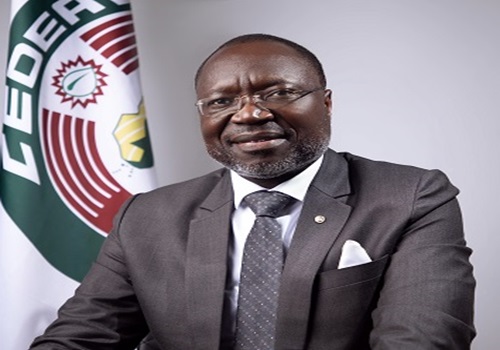
Nigeria’s substantial financial contribution to the Economic Community of West African States (ECOWAS) marked a significant milestone in the organization’s history. On December 13, 2024, Nigeria remitted N85 billion (equivalent to $54 million USD) to the ECOWAS community levy, covering its full obligation from January 2023 to July 2024. This was the first time in 19 years that Nigeria had completely fulfilled its financial commitment to the regional body, signaling a renewed commitment to regional integration and cooperation under President Bola Tinubu’s leadership. The announcement, made by ECOWAS Commission President Omar Touray during the 66th Ordinary Session of the Authority of Heads of State and Government, was met with optimism, representing a positive step towards strengthening the organization’s financial stability. This substantial contribution underscores Nigeria’s recognition of ECOWAS’s importance in addressing shared regional challenges and promoting economic development.
Despite Nigeria’s commendable contribution, President Touray also highlighted the persistent challenge of slow community levy remittances from other member states. He expressed concern over the financial strain this places on the organization, hindering its ability to effectively implement programs and initiatives crucial for regional development and stability. Touray emphasized the urgent need for member states to honor their financial obligations to ensure the long-term viability and effectiveness of ECOWAS. This financial instability poses a significant threat to the organization’s capacity to address critical issues such as regional security, political instability, and economic integration. The call for increased financial commitment from member states reflects the understanding that a strong and well-funded ECOWAS is essential for achieving the organization’s goals.
The 66th Ordinary Session, hosted by President Tinubu in Abuja, took place against a backdrop of heightened regional tensions. The withdrawal of Burkina Faso, Mali, and Niger from ECOWAS in January 2024 created a complex political landscape and raised concerns about the organization’s cohesion. The summit provided a platform for member states to address these challenges, review existing sanctions on the withdrawn countries, and discuss strategies for fostering dialogue and reconciliation. The meeting also focused on critical issues such as regional security, particularly the growing threat of terrorism in the Sahel region, and the need to promote political stability within member states. The discussions aimed to develop a comprehensive approach to tackle these challenges collectively and reinforce ECOWAS’s role in maintaining peace and security in West Africa.
A key agenda item for the summit was the review of progress and timelines in countries currently under military rule. The emphasis was on promoting shorter transition periods back to civilian governance, underscoring the organization’s commitment to democratic principles and constitutional order. The leaders discussed mechanisms to support these transitions and ensure that they are inclusive, transparent, and respect human rights. The focus on shorter transitions reflects a recognition that prolonged military rule can undermine democratic institutions and hinder sustainable development. ECOWAS’s commitment to supporting democratic transitions is crucial for ensuring stability and good governance in the region.
Economic integration remained a priority for ECOWAS, with discussions centered on accelerating the adoption of the ECO, the proposed single currency. The introduction of a common currency is seen as a vital step towards deeper economic integration, facilitating trade and promoting economic growth within the region. The summit provided an opportunity for member states to address the remaining challenges and agree on a clear roadmap for the implementation of the ECO. This renewed focus on economic integration demonstrates ECOWAS’s commitment to creating a more integrated and prosperous West African economic community. The successful adoption of the ECO has the potential to transform the region’s economic landscape and enhance its global competitiveness.
The 66th Ordinary Session of the ECOWAS Authority of Heads of State and Government served as a critical platform for addressing pressing regional challenges and charting a course for the future. Nigeria’s significant financial contribution, while a positive development, highlighted the need for greater financial commitment from all member states to ensure the organization’s effectiveness. The discussions on regional security, political transitions, and economic integration underscored the importance of collective action and collaboration in addressing shared concerns and achieving the organization’s goals. As of December 2024, the remaining member states of ECOWAS were Benin Republic, Cape Verde, Côte d’Ivoire, The Gambia, Ghana, Guinea, Guinea-Bissau, Liberia, Nigeria, Senegal, Sierra Leone, and Togo. These nations, committed to regional integration and cooperation, work together through ECOWAS to promote peace, security, and sustainable development in West Africa.








