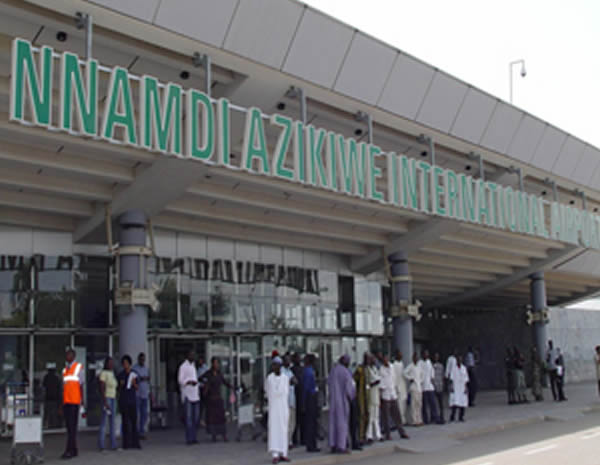
Nigeria’s quest for reliable and efficient airport infrastructure took a significant financial leap in 2024, with the Federal Government investing N8.73 billion (approximately US$11.4 million) specifically on power infrastructure for its airports. A substantial portion of this investment was directed towards ensuring uninterrupted power supply to the new international terminal of the Nnamdi Azikiwe International Airport (NAIA) in Abuja, the nation’s capital. This move, revealed through a report by BudgIT’s transparency platform, GovSpend, underscores the government’s recognition of the critical role of stable electricity in maintaining airport operations, passenger satisfaction, and international competitiveness. The breakdown of this expenditure reveals that a significant sum was channeled to J. Marine Logistics Ltd for outsourced power provision, highlighting the reliance on external providers to bridge the existing power deficit.
The substantial investment in airport power infrastructure comes as a response to the longstanding challenges faced by NAIA and other Nigerian airports regarding unreliable electricity supply. The airport has a history of grappling with power outages, leading to disruptions in critical operations such as airfield lighting, baggage handling, and security screening. These disruptions not only inconvenience passengers but also pose significant safety risks, particularly during nighttime operations and periods of high passenger volume. The government’s decision to prioritize this issue demonstrates a commitment to enhancing the safety and efficiency of air travel in Nigeria. The magnitude of the investment also suggests a recognition of the economic implications of power failures, which can damage the country’s reputation as a reliable aviation hub.
Experts in the aviation sector, such as Olumide Odunayo, have commended the government’s efforts to tackle the power supply issues plaguing the nation’s airports. However, while acknowledging the positive step towards resolving immediate power challenges, Odunayo advocates for a more strategic and sustainable approach. He emphasizes the need for airports to develop alternative power sources, specifically recommending solar and wind power systems, to reduce dependence on the national grid and expensive diesel generators. This transition towards renewable energy sources is not only environmentally beneficial but also financially prudent in the long run.
The current reliance on the national electricity grid and diesel-powered generators has proven to be a costly and inefficient solution. The fluctuating and often unreliable nature of the grid electricity coupled with the high cost of diesel fuel places a significant financial burden on airport operations. This cost is inevitably passed on to passengers through increased service fees and ticket prices, impacting the affordability of air travel. Furthermore, the reliance on diesel generators contributes to environmental pollution and contradicts the global movement towards sustainable aviation practices. Investing in renewable energy sources, as Odunayo suggests, would not only reduce operational costs and stabilize power supply but also align Nigerian airports with international environmental standards.
The Federal Government’s commitment to improving aviation infrastructure extends beyond the 2024 investments. The proposed 2025 budget allocates a substantial N105.95 billion (approximately US$138.2 million) to the aviation sector, a significant increase from the N63.32 billion allocated in the previous year. This budget includes a dedicated N5 billion for power and energy improvements at airports in Lagos, Abuja, and other key locations within the country. Another N5 billion is allocated for the development of aerospace facilities in Abuja. These budgetary allocations signal a continued focus on modernizing and enhancing airport infrastructure to meet the growing demands of air travel and position Nigeria as a prominent player in the global aviation landscape. The completion of the new international terminal at Abuja airport in 2018, designed to handle increased passenger traffic and equipped with modern facilities, further underscores this commitment.
The Ministry of Aviation and Aerospace Development, under Minister Festus Keyamo, has also emphasized the importance of transitioning towards sustainable energy practices. Keyamo highlighted the significant monthly expenditure of N1 billion on electricity at Lagos airport alone, emphasizing the financial drain of relying on traditional power sources. The ministry is actively exploring the adoption of solar power systems to reduce the operational costs associated with electricity consumption and contribute to a greener aviation sector. This move aligns with the International Civil Aviation Organization’s (ICAO) long-term goal of achieving net-zero carbon emissions in the aviation industry. By investing in renewable energy and gradually phasing out the use of diesel, Nigerian airports can significantly reduce their environmental footprint while also achieving long-term cost savings. This dual approach of fiscal responsibility and environmental consciousness signifies a forward-thinking strategy for the future of Nigerian aviation.