









The denial of Canadian visas to several high-ranking Nigerian military officials, including the Chief of Defence Staff, General Christopher Musa, has ignited a diplomatic row between Nigeria and Canada, prompting strong reactions from Nigerian government officials and raising concerns about the future of bilateral relations. The incident, stemming from an invitation to a war veterans’ event in Canada, saw some members of the Nigerian delegation granted visas while others, including General Musa, were denied entry without a clear explanation. This sparked outrage in Nigeria, with officials viewing the visa denials as a sign of disrespect not only to the military leaders but to the nation as a whole.
General Musa, speaking at a security lecture in Abuja, described the visa refusal as a “wake-up call” for Nigeria, urging the country to bolster its sovereignty. His sentiments were echoed by National Security Adviser Nuhu Ribadu, who condemned Canada’s action in strong terms. The Canadian High Commission in Nigeria acknowledged the media reports but, citing privacy concerns, refrained from commenting on the specifics of the visa applications. This lack of transparency further fueled frustration within the Nigerian government, escalating the incident into a full-blown diplomatic issue.
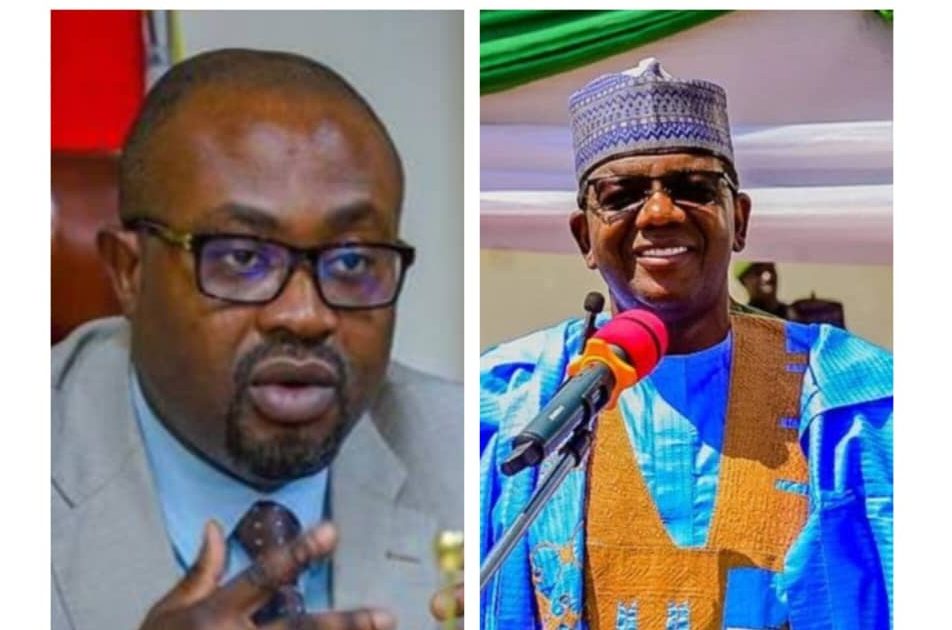
Nigerian government officials expressed their displeasure publicly, with the Minister of Interior, Olubunmi Tunji-Ojo, suggesting potential reciprocal measures against Canada. He stressed the need for fairness in visa and migration management, highlighting the potential negative implications for average Nigerians if such treatment could be meted out to the highest-ranking military official. The Minister of State for Defence, Bello Matawalle, called for a thorough investigation and a decisive response from Nigeria to uphold its international standing. He deemed the incident an affront to national dignity and urged the government to adopt a firm diplomatic posture.
Within Nigeria, speculation arose regarding the reasons behind the visa denials. Sources within the Immigration Service hinted at the possibility of reciprocal actions, potentially mirroring a previous incident involving South Africa where Nigerian authorities turned back a South African airline carrying dignitaries in response to similar visa issues. A senior official within the Defence Headquarters expressed bewilderment at the denial, emphasizing General Musa’s prominent role not only as Chief of Defence Staff but also as chairman of the ECOWAS Committee of Chiefs of Defence Staff. He underlined the significance of the Invictus program, the event for which the delegation was traveling, and highlighted the irony of the initial contingent, including the Director of Defence Information, already being in Canada.
Retired diplomats offered varied perspectives on the incident. Some attributed the issue to the lack of substantive ambassadors in Nigerian embassies abroad, suggesting that a stronger diplomatic presence could have averted the situation. Others recalled similar past incidents, emphasizing the need for diplomatic channels to address such matters. One former ambassador suggested Canada’s decision might be linked to concerns about anti-democratic actions or human rights abuses involving Nigerian military officials. He, however, cautioned against the strong rhetoric employed by some Nigerian officials, advocating for a more measured approach through diplomatic channels.
Legal and political analysts weighed in on the possible reasons for the visa denials. Human rights lawyer Femi Falana suggested that allegations of corruption or human rights abuses could be factors, pointing to similar visa restrictions imposed on other public officials in the past. He acknowledged Canada’s historical support for Nigeria during its struggle against military rule, highlighting the importance of addressing human rights concerns to maintain positive relations. Another government source speculated that the large size of the Nigerian delegation might have played a role, suggesting that a consular officer might have simply reduced the number of visas granted. The Ministry of Foreign Affairs indicated that the Minister would address the issue at the appropriate time. The NSA, while declining further comment, reiterated his belief that the treatment of Nigeria was unfair.









