





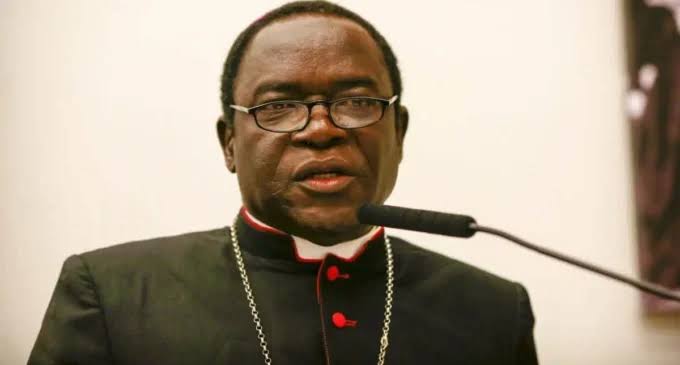
Bishop Matthew Kukah’s Christmas message delivered at the Holy Family Cathedral Catholic Church in Sokoto Diocese resonated with a potent critique of Nigeria’s trajectory since independence. His central argument hinges on the nation’s persistent choice of darkness over light, manifesting in a pervasive lack of transparency, accountability, and integrity across public service, political spheres, and individual conduct. He painted a stark contrast between Nigeria’s current realities and the transformative potential that embracing these virtues could unlock, envisioning a nation significantly improved if light were allowed to shine on its institutions and citizenry. This core message served as a foundation upon which he addressed several interconnected challenges hindering Nigeria’s progress.
A crucial aspect of Kukah’s address focused on the detrimental effects of prioritizing ethnicity and religion over shared national identity. He lamented the pervasive influence of these factors in determining access to opportunities, lamenting that they frequently supersede the sense of common citizenship that should bind Nigerians together. This prioritization, he argued, fosters feelings of exclusion and marginalization, pushing many citizens towards violence and frustration, thereby undermining the very fabric of national unity. He invoked the ideals enshrined in the Nigerian national anthem, emphasizing the importance of embracing diversity as a unifying force rather than a divisive one. His call for utilizing diversity as a tool for national mobilization and cohesion underscored the urgency of transcending ethnic and religious divides for the collective good.
Kukah’s message also addressed the vital role of youth in shaping Nigeria’s future. He acknowledged the positive step taken with the passage of the Not Too Young to Run Bill in 2018, which aimed to facilitate greater youth participation in politics. However, he cautioned that persistent challenges, such as the prohibitive costs associated with political engagement and internal democracy issues within political parties, continue to hinder young people’s active involvement. He emphasized the need to address these structural barriers to truly unlock the potential of youth engagement in the political process. His acknowledgment of these hurdles highlighted the importance of not just opening doors for youth participation, but also ensuring pathways are accessible and conducive to their meaningful engagement.
Furthermore, the Bishop commended the enactment of the Student Loan Act 2024 and the subsequent establishment of the Nigerian Education Loan Fund by the federal government. He recognized the transformative potential of these initiatives in expanding educational opportunities for Nigerian youth, particularly for those pursuing vocational and technical skills, often overlooked in traditional educational discourse. He expressed hope that the implementation of this program would be free from bureaucratic complexities and favoritism, ensuring equitable access to education regardless of socioeconomic background. His emphasis on avoiding bureaucratic bottlenecks and favoritism highlighted the importance of ensuring these initiatives truly serve the intended beneficiaries and contribute to a more inclusive educational landscape.
Acknowledging the pervasive security challenges facing Nigeria, Kukah described them as a persistent obstacle to national stability and development. These challenges, he argued, create an environment of fear and uncertainty, hindering economic growth, social cohesion, and the overall well-being of the nation. His recognition of the security situation underscored the interconnectedness of peace and progress, highlighting the imperative of addressing these challenges to create a conducive environment for national development. He emphasized the need for collaborative efforts to address the root causes of insecurity and foster lasting peace.
In his concluding remarks, Bishop Kukah reiterated his call for Nigerians to choose the path of light, unity, and love. He emphasized these values as indispensable for the nation’s progress and development, arguing that they form the bedrock of a just, equitable, and prosperous society. His appeal to embrace these values served as a powerful reminder of the shared responsibility that all Nigerians bear in shaping the destiny of their nation. He urged citizens to rise above the prevailing darkness and work collectively towards building a brighter future grounded in transparency, accountability, and a genuine commitment to the common good. This concluding message underscored the transformative power of individual and collective action in steering Nigeria towards its full potential.








