





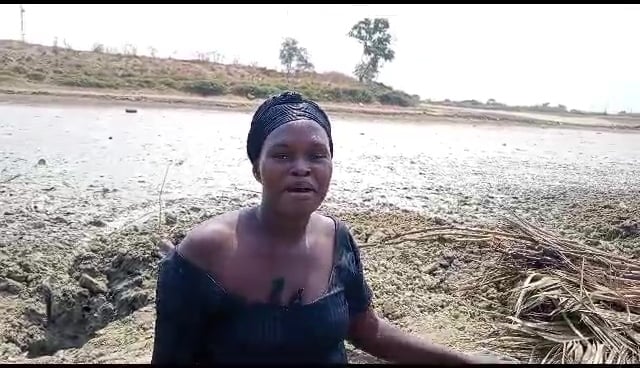
The residents of Ahwiam, a coastal community nestled within the Ningo-Prampram Municipality of Ghana’s Greater Accra Region, find themselves grappling with a severe water crisis. The absence of a reliable potable water supply has cast a long shadow over their lives, jeopardizing their health, disrupting their children’s education, and forcing them to resort to desperate measures for this most basic necessity. The community’s plea for intervention underscores the urgency of the situation, painting a stark picture of hardship and vulnerability.
The lack of access to clean water has left the residents of Ahwiam perpetually teetering on the brink of a public health crisis. The community’s primary water source, a local stream, has withered under the relentless dry season, leaving behind a parched riverbed and a desperate population. Forced to dig around the desiccated stream, residents collect water contaminated with worms and other impurities, exposing themselves to a range of waterborne diseases. The fear of infection hangs heavy in the air, as residents describe the antiseptic rituals they perform to mitigate the risks of using the polluted water. This constant threat of illness undermines the community’s well-being and casts a pall of uncertainty over their future.
The water scarcity has also dealt a devastating blow to the education of Ahwiam’s children. Without access to clean water for bathing and washing their uniforms, many children are forced to miss school, hindering their academic progress and jeopardizing their future prospects. The simple act of preparing for school becomes an insurmountable obstacle, transforming the pursuit of education into a luxury that many families cannot afford. This disruption to their education perpetuates a cycle of poverty and limits the opportunities available to the community’s youngest members.
The economic burden of the water crisis further exacerbates the plight of Ahwiam’s residents. While water tankers offer a temporary reprieve, the exorbitant cost of purchased water places a significant strain on household budgets. At GHS 5 per gallon, the price of water becomes a prohibitive expense, forcing many families to choose between clean water and other essential needs. This financial burden deepens the cycle of poverty and underscores the inequity of access to basic resources.
The residents of Ahwiam express their frustration and desperation, appealing to their local representatives for assistance. Their pleas for intervention fall on seemingly deaf ears, leaving them feeling abandoned and forgotten. The community’s sense of helplessness is palpable, as they question why they have been left to suffer without access to such a fundamental resource. Their words echo a deep sense of injustice, highlighting the gap between the promises of development and the harsh realities of their daily lives.
The situation in Ahwiam serves as a stark reminder of the critical importance of access to clean water and the devastating consequences of its absence. The community’s struggle is a microcosm of the challenges faced by many underserved communities around the world, highlighting the urgent need for sustainable solutions to ensure equitable access to this life-sustaining resource. The residents of Ahwiam deserve the dignity of clean water, the opportunity for their children to receive an education, and the chance to build a healthier and more prosperous future. Their plea for help is a call to action, urging those in positions of power to address this pressing issue and provide the support that this community so desperately needs. The time for action is now, before the health and well-being of Ahwiam’s residents are further compromised.








