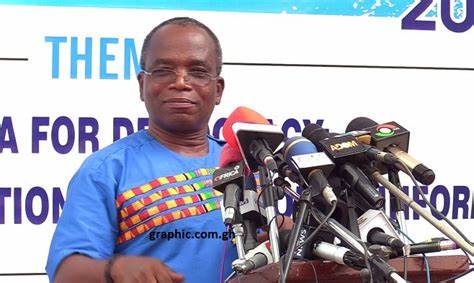
The National Media Commission (NMC) of Ghana has recently intensified its stance on media content regulation, issuing a stern warning to various media outlets regarding the nature of the content they choose to broadcast. Chairing a regulatory meeting with radio and TV stations on October 31, Chairman Yaw Boadu-Ayeboafo highlighted the increasing concern over the programming decisions made by these organizations. The NMC underscored its readiness to impose penalties on any media organization found to violate established regulations, signaling a commitment to maintaining ethical broadcasting standards.
The gravity of the situation is supported by a report from the NMC indicating that it has received nearly 9,000 complaints this year, a significant number of which pertain to issues such as sexual content, money laundering, and loan fraud. Alarmingly, over 40 media organizations have been implicated in these complaints, underscoring a widespread problem within the industry. Among those singled out for their practices, Oyerepa TV faced particular scrutiny for airing explicit material. The station’s management expressed dissatisfaction with the commission’s focus on them, highlighting the uncomfortable position of being disproportionately targeted.
In defense of its actions, the NMC justified its focus on Oyerepa TV by stating that the level of obscenity in its broadcasts can inflict considerable harm on society. The commission hinted at the possibility of escalating the matter to the National Communications Authority (NCA), which manages broadcasting licenses, suggesting that licensing repercussions for the station might be on the table. This indicates not only the NMC’s commitment to addressing what it views as inappropriate media content but also its willingness to take decisive regulatory measures.
Amid this ongoing controversy, the Ghana Journalists Association (GJA) has voiced its concerns regarding the National Communications Authority’s approach to the digital migration process. Specifically, the GJA criticized the NCA for its lack of a coherent strategy, arguing that this gap suggests a deficiency in its commitment to maintaining high broadcasting standards. This criticism highlights the complexities of media regulation in Ghana, especially as the industry transitions into digital formats that present new challenges for content oversight.
In response to the GJA’s criticisms, the NCA reassured the public of its proactive engagement in monitoring and regulating the media sector. The authority emphasized its dedication to ensuring compliance with broadcasting standards and to the continuous improvement of media content across various platforms. This demonstrates the NCA’s recognition of the pressing need to address the concerns raised by both the NMC and the GJA while reinforcing its role in maintaining the integrity of media broadcasting in Ghana.
In summary, the heightened attention being placed on media standards by the NMC reflects a significant moment for broadcasting in Ghana, one that could define the future landscape of the industry. The NMC’s emphasis on responsible programming, coupled with its willingness to enforce penalties, suggests a determination to combat the challenges posed by inappropriate media content. As the situation evolves, the collaboration between the NMC, the NCA, and media organizations will be crucial in ensuring that broadcasting not only meets regulatory standards but also serves the public interest effectively.