









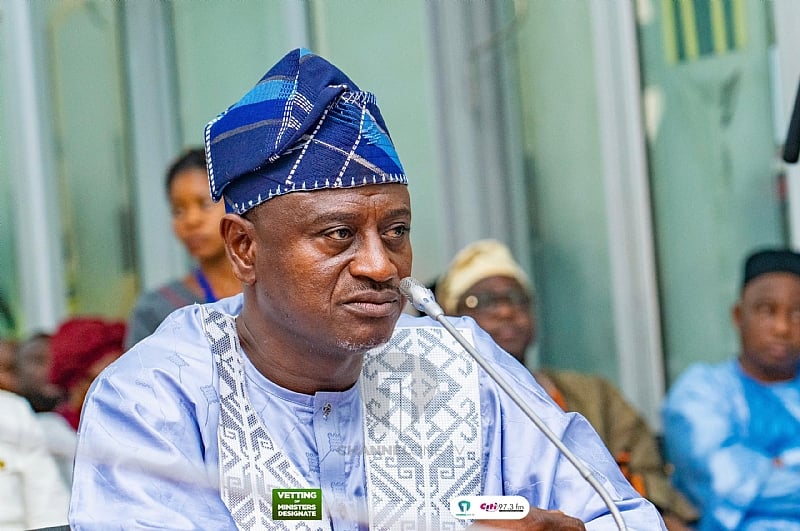
The recent outbreak of violence in Walewale, North East Region of Ghana, has left a trail of destruction and heartbreak, deeply impacting the lives of its residents, including government officials like the North East Regional Minister, Ibrahim Tia. Minister Tia, in a candid interview, shared the harrowing details of the events, the personal loss he suffered, and the emotional toll the crisis has taken on him. His narrative paints a vivid picture of the escalating tensions, his desperate attempts to mediate peace, and the ultimate tragedy that unfolded, leaving him deeply traumatized.
The initial signs of unrest prompted Minister Tia to engage in intensive dialogue with community leaders, specifically the chiefs of Walewale. He sought to understand the underlying causes of the conflict and to appeal for calm. Simultaneously, he prioritized the well-being of those injured in the clashes, visiting them in the hospital to offer comfort and support. Among the injured were victims of a bus burning, a stark illustration of the violence’s intensity. He also learned of others who had been allegedly brutalized by security forces deployed to contain the situation, further adding to the complexity of the crisis.
Despite these efforts, the situation continued to deteriorate. Recognizing the imminent danger of further escalation, Minister Tia decided to extend his peace mission to neighboring villages. He aimed to preemptively address potential spillover effects and inform the local chiefs about the impending curfew imposed by authorities to quell the unrest. This proactive approach, however, placed him directly in harm’s way. While visiting the palace of a neighboring chief, an attack erupted, seemingly triggered by the announcement of the curfew. Minister Tia found himself trapped, held hostage within the palace walls, until a combined force of military and police personnel arrived to rescue him.
The violence that engulfed Walewale during this turbulent period did not discriminate. Amidst the chaos and destruction, Minister Tia suffered a profound personal loss: the death of his brother. This tragic event, occurring in the very community he was desperately trying to pacify, has left him deeply traumatized. His personal grief underscores the devastating impact of the violence on families and individuals, highlighting the human cost beyond the immediate physical damage.
The Walewale crisis has laid bare the fragility of peace and the devastating consequences of unchecked violence. Minister Tia’s experience serves as a stark reminder of the challenges faced by those in positions of authority who strive to maintain order and protect their communities. The personal loss he endured adds a tragic dimension to the narrative, emphasizing the ripple effects of conflict that extend far beyond the immediate sphere of violence.
The story of Walewale, as recounted by Minister Tia, is a testament to the enduring need for peacebuilding and conflict resolution. It highlights the importance of proactive community engagement, the vital role of local leaders in de-escalating tensions, and the critical need for effective security measures to prevent violence from spiraling out of control. The tragedy also underscores the importance of providing support and resources to those who have been personally affected by such events, including those in leadership positions who bear the heavy burden of responsibility for their communities.









