





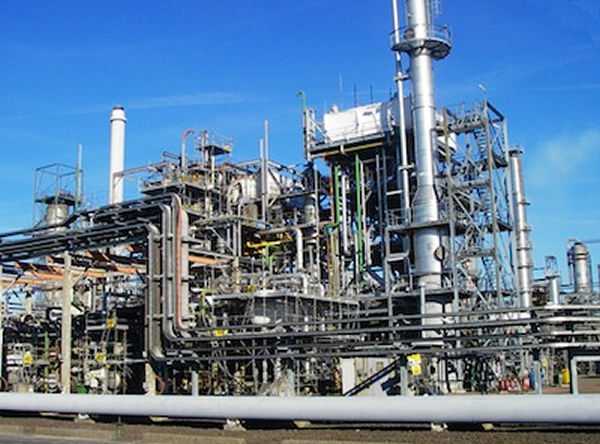
The Arewa Youth Consultative Forum (AYCF) and the Northern Awareness Network have expressed their commendation for the Federal Government and the Nigerian National Petroleum Company Ltd (NNPC) for successfully reviving the Port Harcourt refinery. This important facility has an installed production capacity of 60,000 barrels per day and is set to significantly reduce Nigeria’s dependence on imported petroleum products. This development is pivotal as it aims to bolster the nation’s economic sovereignty while stabilizing fuel prices—a crucial concern for many citizens. These organizations see the revival as a key step in Nigeria’s journey towards energy independence, believing that such progress will have far-reaching benefits for the country’s economy and social dynamics.
Yerima Shettima, AYCF’s President-General, emphasized the revival’s significance, highlighting its capability to load 200 trucks daily with locally refined products. This feat showcases the commitment of both the federal government and the NNPC to restore and maximize critical national infrastructures that have been underutilized for years. Shettima articulated that the initiation of crude oil processing marks a significant milestone toward Nigeria achieving self-sufficiency in its petroleum product needs. He characterized the revival as more than just a technical recovery; it stands as a symbol of hope, illustrating the power of strategic planning and strong determination working in tandem for national objectives.
In echoing Shettima’s sentiment, Salihu Sulaiman, Chairman of the Northern Awareness Network, expressed gratitude towards the Federal Government and NNPC for their joint endeavors. Sulaiman reiterated the significance of the refinery’s operational capacity, noting the importance of ensuring Nigeria’s autonomy concerning petroleum product production. His remarks highlighted the importance of reducing Nigeria’s reliance on external sources for fuel, which has been economically burdensome in the past. He positioned the reviving of this asset as a transformative opportunity that could help mitigate the recurring issues of fuel scarcity that have plagued the nation.
Both leaders recognized that the operationalization of the Port Harcourt Refinery brings broader socio-economic implications beyond addressing fuel supply. Sulaiman mentioned the refinery’s potential contribution to economic revitalization and job creation, particularly in the northern sections of Nigeria. This development is particularly timely as the nation grapples with high unemployment rates and the urgent need for economic rejuvenation. By increasing domestic production capabilities, the refinery can potentially foster a more stable job market and contribute to overall economic progress, which is crucial for many communities across Nigeria.
Furthermore, the Northern Awareness Network underscored that this initiative wasn’t merely about ramping up production. It is about cultivating a sense of national pride and inspiring self-reliance among Nigerians. By refining crude oil locally, Nigeria stands to forge a stronger economic identity while also addressing significant environmental concerns linked with fuel importation. Sulaiman highlighted that domestic refining would allow for the implementation of better environmental regulations, which would not only combat pollution but also lead to a decrease in the carbon footprint involved in fuel transportation from other countries.
In summary, the revival of the Port Harcourt refinery represents a significant achievement with multiple benefits for Nigeria. From promoting economic sovereignty and reducing fuel scarcity to enhancing environmental sustainability and creating job opportunities, the operational success of this refinery reflects a promising turn for the nation’s energy sector. The AYCF and Northern Awareness Network articulate a hopeful vision for Nigeria’s future, advocating not just for economic progress but also for an empowered national identity that supports self-sufficiency in a global economy. This collaboration of government and industry signifies a broader aspiration for a stronger, more resilient Nigeria, rooted in its capacities and potential for growth.








