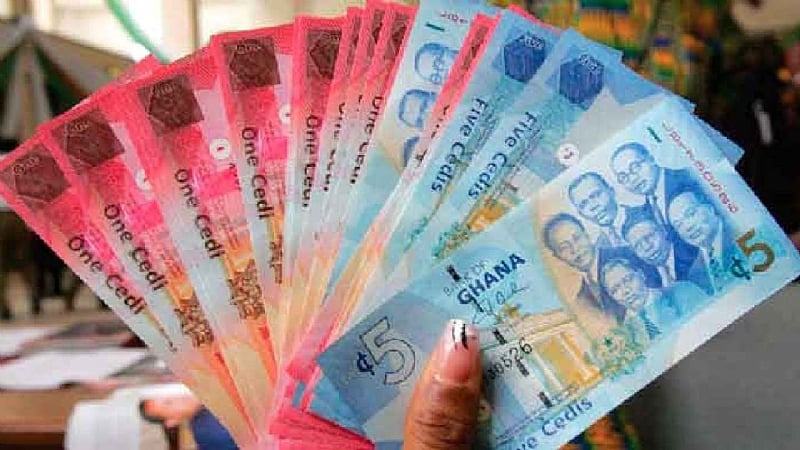
The Ghanaian Cedi has shown some appreciation against the United States dollar recently, with notable changes in its buying and selling rates compared to previous days. As of Monday, November 25, 2024, the buying rate stood at GHS15.77, reflecting an increase of 4 pesewas, while the selling rate rose by 5 pesewas to GHS16.19. These rates are derived from data provided by Cedirates.com, a reputable source for currency exchange and fuel pricing updates in Ghana. Additionally, the interbank rates indicated that the Cedi is trading at GHS15.79 for buying and GHS15.81 for selling against the dollar. This fluctuation in rates reveals the dynamic nature of currency exchange and the Cedi’s resilience in the face of market pressures.
Further examination shows that the Cedi’s performance extends beyond the US dollar, affecting its value against other major currencies as well. For the British Pound Sterling, the average buying and selling rates are GHS19.73 and GHS20.43, respectively. The interbank market reflects a selling price of GHS19.78 for the Pound. Meanwhile, the Euro is currently valued at GHS16.45 for purchasing and GHS17.06 for selling, with the interbank market showing a slightly lower selling price of GHS16.43. This indicates a range of trading options for individuals and businesses engaging in international transactions, demonstrating the competitive landscape of currency values in Ghana.
Money transfer services play a crucial role in remittances, which have a significant impact on Ghana’s economy. Two prominent platforms, LemFi and Afriex, facilitate international money transfers to Ghana, offering competitive rates. As of now, both services provide a rate of GHS15.80 for sending money from the US to Ghana, while for transfers from the UK, the buying and selling rates for the British Pound are set at GHS19.98 and GHS19.83, respectively. This highlights the growing importance of digital financial services in enabling efficient money transfers, catering to the needs of Ghanaians abroad who wish to send funds back home.
In addition to foreign currency exchange, individuals renewing subscription services such as Netflix, Spotify, or Apple Music face varying rates through payment processors like Visa and Mastercard. Currently, both processors offer a rate of GHS16.96 per US dollar, which could influence consumers’ decisions when renewing their subscriptions. These rates can fluctuate based on market conditions and exchange rates, emphasizing the need for consumers to remain informed about the current rates to optimize their spending on digital services.
This appreciation of the Ghanaian Cedi, alongside the relatively stable rates observed across other currencies, points to a complex interplay between domestic economic conditions and global market trends. Factors such as inflation, trade balances, and even central bank policies can all contribute to the variations in currency rates. The ability of the Cedi to strengthen against the dollar could be indicative of positive macroeconomic trends or governmental efforts to stabilize the currency through prudent financial policies.
In conclusion, the recent appreciation of the Ghanaian Cedi signifies a complex economic environment influenced by both local and international factors. The currency’s movement against major units like the US dollar, British Pound, and Euro reflects not only the current economic status of Ghana but also the global financial landscape. As digital money transfer services become increasingly popular and essential, they offer Ghanaians living abroad the ability to support their families through remittances. Moreover, the implications of exchange rates on everyday transactions, such as subscription renewals, demonstrate the integral role of currency valuation in both personal finance and broader economic stability. To navigate this landscape effectively, stakeholders must remain vigilant about changes in exchange rates and inflationary trends to make informed financial decisions.