





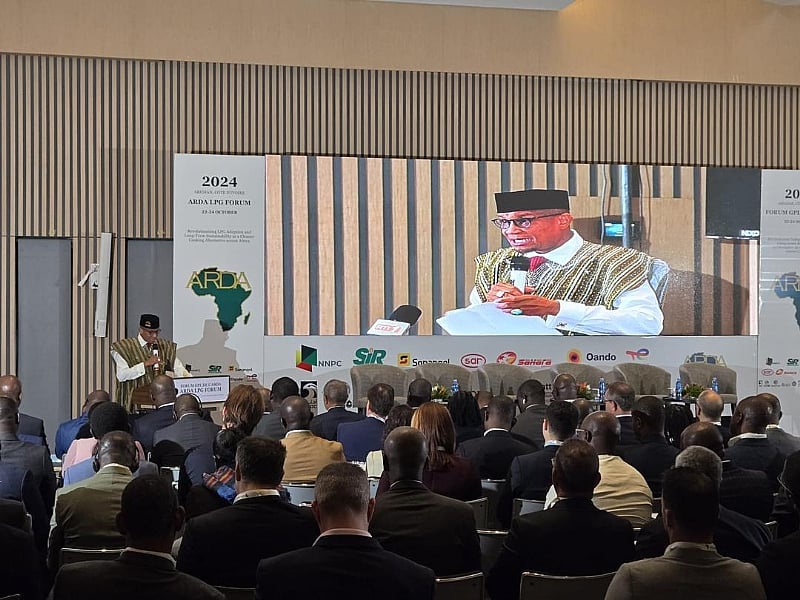
Dr. Mustapha Abdul-Hamid, the President of the African Refiners and Distributors Association (ARDA) and Chief Executive Officer of the National Petroleum Authority (NPA), has underscored the urgent need to tackle Africa’s clean cooking crisis. With millions of Africans still reliant on traditional biomass fuels, such as wood and charcoal, Dr. Abdul-Hamid advocates for the substitution of these hazardous fuels with liquefied petroleum gas (LPG). He cautions that the global initiatives aimed at fulfilling United Nations Sustainable Development Goal 7 (SDG 7), which strives to provide universal access to affordable, reliable, sustainable, and modern energy, are lagging in this continent. During the inaugural 2024 ARDA LPG Forum held in Abidjan, Ivory Coast, he highlighted alarming statistics, noting that approximately 80% of Africans continue to use polluting cooking fuels, leading to nearly half a million premature deaths each year.
The theme of the 2024 ARDA LPG Forum, “Revolutionizing LPG Adoption and Long-Term Sustainability as a Cleaner Cooking Alternative across Africa,” reflects the urgency of ensuring comprehensive access to LPG by the year 2030. The forum aimed to enhance the affordability and accessibility of LPG, foster partnerships among various stakeholders, including regulators, project developers, and financiers, and develop the requisite infrastructure and supply chains for the successful adoption of LPG in Africa. Dr. Abdul-Hamid’s leadership at the forum signifies a critical step towards accelerating the transition to cleaner cooking alternatives and underscores the collaborative approach needed to address this multifaceted crisis.
In his address, Dr. Abdul-Hamid emphasized the complexity of Africa’s energy needs, especially in the context of rapid population growth, which necessitates innovative energy solutions. He argued that the adoption of LPG is crucial not only for improving health outcomes by reducing exposure to indoor air pollution linked to biomass fuels but also for promoting sustainability and facilitating economic growth on the continent. His position as both President of ARDA and Chief Executive of the NPA places him in a pivotal role to drive these initiatives forward, reinforcing the importance of cleaner cooking solutions that can benefit millions of households across Africa.
The call for action extends beyond mere recognition of the problem; it includes a passionate plea to African governments and international counterparts to hasten the development of LPG infrastructure and implement supportive policies. This concerted effort is necessary to foster a smooth transition to cleaner energy sources and create a conducive environment for investment in the LPG sector. Dr. Abdul-Hamid’s vision highlights the critical nature of partnerships between the public and private sectors, positioning them as vital avenues for expanding LPG access, lowering costs, and making clean energy more attainable for low-income households.
Dr. Abdul-Hamid’s assertions at the forum reiterate the premise that LPG stands as a viable solution to one of Africa’s most pressing energy challenges. He articulated that the current situation can no longer be treated as a slow-moving issue, urging immediate collective action from all stakeholders to mitigate the crisis. With the stark reality of health risks and environmental consequences tied to the continued use of polluting fuels, the urgency for a comprehensive strategy to promote LPG as a cleaner alternative cannot be overstated. Addressing the clean cooking crisis is critical, and stakeholders at every level must be mobilized to contribute to this essential mission.
The approach outlined by Dr. Abdul-Hamid at the 2024 ARDA LPG Forum presents a blueprint for tackling the challenges of energy access and health in Africa. With a focus on collaborative efforts, innovative solutions, and the establishment of robust infrastructure, there is a pathway to achieving universal LPG access, empowering communities, and fostering sustainable growth. This initiative not only seeks to alleviate health risks associated with traditional cooking methods but also aligns with broader sustainable development efforts, ensuring that Africa can achieve its energy goals in a timely manner. As the continent grapples with the pressing clean cooking crisis, there is no better moment for decisive and unified action from all relevant stakeholders.








