





The National Service Scheme (NSS) in Ghana has been embroiled in a controversy surrounding allegations of ghost names on its payroll, prompting a presidential directive for a thorough investigation. The scandal, initially brought to light by an investigative report by The Fourth Estate, an online news platform, alleges the existence of 81,885 fictitious names on the NSS payroll, potentially leading to significant misappropriation of public funds. The Director-General of the NSS, Felix Gyamfi, while acknowledging the gravity of the allegations, has appealed for patience, urging The Fourth Estate and the public to allow state agencies to complete their investigations before drawing definitive conclusions.
The Fourth Estate’s investigation, published in November 2024, revealed discrepancies between the officially announced figures of eligible national service personnel and the actual number of individuals deployed across various sectors. Their findings pointed to a pattern of irregularities, including a shortfall between announced and deployed personnel, multiple repetitions of names within the NSS database, and the registration of individuals far exceeding the eligible age limit for national service, with some purportedly over 90 years old. These discrepancies raise serious concerns about potential fraudulent activities within the NSS and underscore the need for a comprehensive audit to ascertain the true extent of the alleged malpractice.
The government’s response, spearheaded by President John Dramani Mahama, has been to initiate an official inquiry into the matter. The President has tasked the Bureau of National Investigations (BNI), the country’s primary intelligence agency, to conduct a thorough investigation into the allegations. This move demonstrates the government’s commitment to uncovering the truth and holding those responsible for any wrongdoing accountable. The Minister for Finance, Dr. Cassiel Ato Forson, initially requested the headcount audit that uncovered the irregularities, as part of an effort to resolve outstanding allowance arrears owed to national service personnel, dating back to August 2024. This context further emphasizes the interconnectedness of the financial management of the NSS and the potential implications of the alleged ghost names on the welfare of legitimate national service personnel.
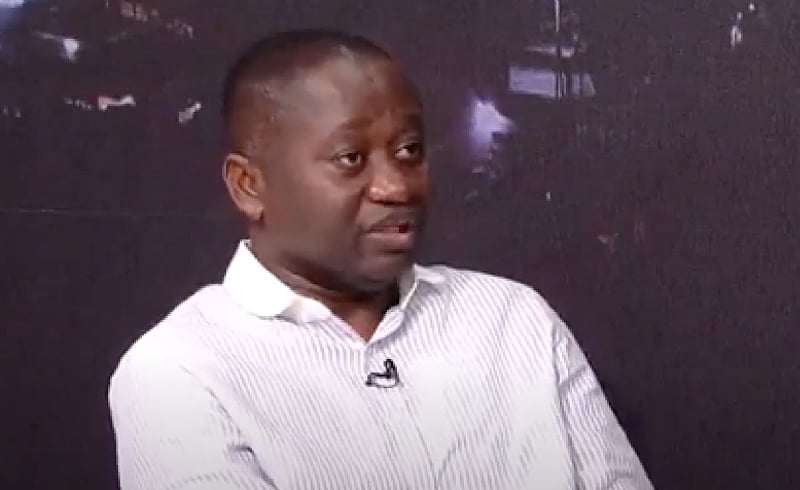
Mr. Gyamfi, speaking on a television program, described The Fourth Estate’s findings as “shocking and despicable.” However, he also cautioned against premature conclusions, emphasizing that the allegations remain unproven until validated by the official investigation. His concern stems from the potential for the case to lose credibility if the numbers presented by The Fourth Estate prove inaccurate upon further scrutiny. He argues that while the existence of ghost names is a serious concern, securing convictions requires concrete evidence and accurate data. Overstating or misrepresenting the figures, even unintentionally, could jeopardize the entire investigation and potentially allow those responsible to evade accountability.
The NSS plays a crucial role in Ghana’s development by deploying graduates from tertiary institutions across various sectors to contribute their skills and expertise to national development. The presence of ghost names on its payroll not only represents a significant financial loss to the state but also undermines the integrity of the institution and erodes public trust. The timely payment of allowances to genuine national service personnel is essential for their upkeep and motivation, and any fraudulent activity that diverts these funds has a direct impact on their well-being and the effectiveness of the scheme.
The ongoing investigation is a critical step towards ensuring transparency and accountability within the NSS. It is imperative that the BNI conducts a thorough and impartial investigation, leaving no stone unturned in its pursuit of the truth. The outcome of this investigation will not only determine the extent of the alleged fraud but also inform the necessary reforms and measures to strengthen the NSS and prevent future occurrences. The public awaits the results of the investigation with keen interest, hoping for a swift resolution and appropriate actions against those found culpable. The credibility of the NSS and the government’s commitment to fighting corruption hang in the balance.








