





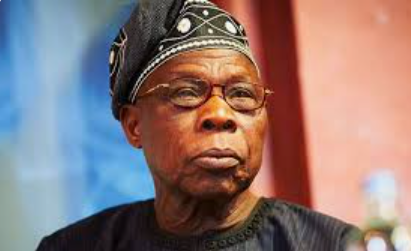
The Nigerian National Petroleum Corporation Limited (NNPCL) found itself embroiled in controversy after extending a public invitation to former President Olusegun Obasanjo to tour the Port Harcourt and Warri refineries. This invitation, issued through the NNPCL’s spokesperson, Olufemi Soneye, followed Obasanjo’s televised critique of the prolonged mismanagement and ineffectiveness of Nigeria’s refineries. The former president had expressed frustration over the billions of dollars spent since 2007 with little to no tangible results, highlighting a missed opportunity during his tenure when his successor, Musa Yar’Adua, rejected a $750 million offer from Aliko Dangote to manage two of the refineries. Obasanjo contended that the NNPCL, despite knowing its limitations, convinced Yar’Adua that it could operate the refineries efficiently, leading to the rejection of Dangote’s offer and the subsequent squandering of over $2 billion on unsuccessful attempts to rehabilitate the plants.
Obasanjo’s public criticism sparked a defensive response from the NNPCL, which insisted that the refineries were indeed operational. Soneye emphasized that the corporation had not only performed turnaround maintenance but had also undertaken a complete overhaul of the refineries to meet international standards. This claim, however, was met with skepticism from the public and media, especially after investigations revealed inconsistencies in the NNPCL’s narrative. Journalistic visits to the Port Harcourt refinery, for instance, contradicted the NNPCL’s claims of consistent operation, revealing periods of inactivity and a lack of transparency regarding the actual production output. This discrepancy fueled public doubt about the true state of the refineries and the NNPCL’s claims of successful rehabilitation.
The controversy escalated further when Obasanjo, through his media aide, Kehinde Akinyemi, slammed the NNPCL’s invitation as disrespectful. He deemed the public nature of the invitation, without any prior formal communication, an insult to his office and person. Obasanjo’s aide emphasized that no official letter had been sent to the former president as of January 2, 2025, further underscoring the perceived disrespect. The NNPCL spokesperson, Soneye, remained unresponsive to media inquiries regarding whether a formal invitation had indeed been extended to Obasanjo, adding to the growing perception of a lack of transparency and accountability within the corporation.
The incident drew sharp criticism from prominent socio-political groups and figures who echoed Obasanjo’s sentiments. Afenifere, a Yoruba socio-political group, condemned the NNPCL’s approach as arrogant and disrespectful, emphasizing that inviting a former president through newspaper publications after he had raised valid concerns about the refineries was inappropriate. The group argued that a courtesy visit to address Obasanjo’s concerns would have been a more respectful course of action. Similarly, the Coalition of United Political Parties (CUPP) characterized the public invitation as a public ridicule of the former president, highlighting the need for the NNPCL to prioritize substantive engagement over political posturing.
The controversy surrounding the refinery invitations underscores the deeper issues of transparency and accountability within the Nigerian oil sector. The NNPCL’s defensive response and subsequent silence in the face of media scrutiny raise questions about the corporation’s commitment to open communication and its willingness to address public concerns. The incident also highlights the challenges Nigeria faces in managing its crucial oil resources, with years of mismanagement and underperformance plaguing the nation’s refineries despite significant financial investments. The skepticism surrounding the NNPCL’s claims of successful rehabilitation further underscores the erosion of public trust in the corporation and the urgent need for greater transparency and accountability.
The clash between former President Obasanjo and the NNPCL ultimately became a symbolic representation of the larger struggle for efficient and transparent management of Nigeria’s oil resources. The incident exposed the deep-seated challenges in the sector, emphasizing the need for a more proactive and accountable approach to ensure that the nation’s oil wealth benefits its citizens. The public scrutiny generated by this controversy hopefully serves as a catalyst for much-needed reforms within the NNPCL and the broader oil sector, promoting greater transparency, accountability, and ultimately, more effective management of Nigeria’s valuable oil resources.








