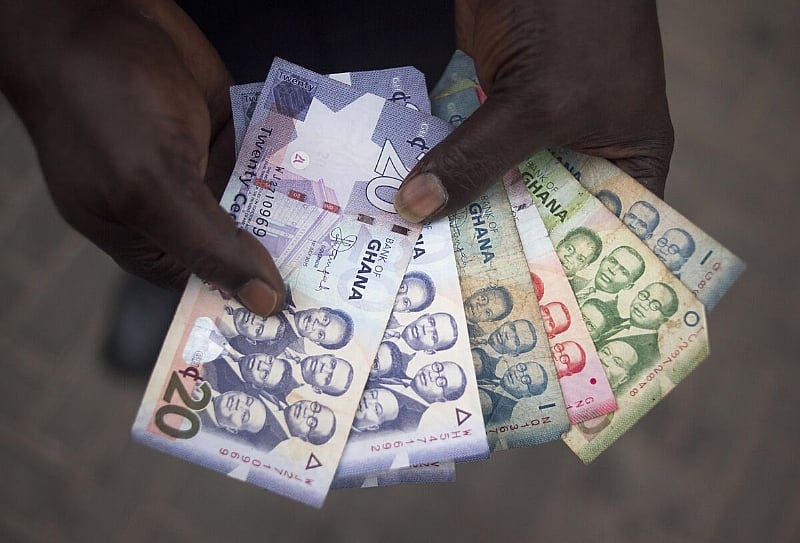
On October 26, 2024, the Ghanaian Cedi experienced a slight depreciation against the United States dollar, with both buying and selling rates decreasing by 1 pesewa from the previous day’s values. As of 10:00 AM that day, the buying rate stood at GHS16.08, while the selling rate was reported at GHS16.55. These figures were derived from Cedirates.com, a prominent Ghanaian platform that provides regular updates on currency and fuel prices. The fluctuations in the Cedi’s value reflect ongoing economic conditions, which may be influenced by factors such as inflation, trade balances, and international market trends.
In the context of other currencies, the Ghanaian Cedi also traded at varied rates against the British Pound and the Euro. The average purchasing and selling rates for the British Pound Sterling were noted as GHS20.74 and GHS21.52, respectively, while the Euro’s rates were GHS17.24 for buying and GHS18.00 for selling. In the interbank market, the rates for these currencies slightly differed, with the Bank of Ghana reporting a selling price of GHS20.97 for the Pound and GHS17.47 for the Euro. Such variances highlight the fluctuating nature of currency exchange rates, which can impact remittances and international transactions, especially as individuals and businesses engage with global markets.
For remittances, services like LemFi and Afriex offer competitive rates for sending money to Ghana from the US and UK. On October 26, the rates were set at GHS16.28 and GHS15.42 per dollar, respectively. These financial platforms are increasingly popular for expatriates looking to transfer funds back home due to their relatively favorable exchange rates compared to traditional banking options. Furthermore, for the British Pound, the two services reported buying rates of GHS21.10 and selling rates of GHS20.69. These favorable rates make it easier for many to support their families or invest back into their home country’s economy.
LemFi and Afriex also provided updated rates for the Euro, with Afriex showing a selling rate of GHS16.94 for €1. This demonstrates the importance of digital financial services in enhancing the remittance ecosystem in Ghana. With such services, individuals can track exchange rates more closely and ensure that they are getting the best value for their money, thereby maximizing the potential benefits of their transactions.
When it comes to renewing online subscriptions such as Netflix, Spotify, or Apple Music through Visa and Mastercard, the rates also fluctuate. On this date, the conversion rate for the US dollar with Visa hovered around GHS17.49, while Mastercard offered a slightly lower rate at GHS17.25. This information is crucial for consumers who rely on these platforms for entertainment, as the cost of access is directly impacted by the prevailing exchange rate. Such nuances highlight how changes in currency values can affect daily expenses and entertainment costs for consumers in Ghana.
The overall situation surrounding the Ghanaian Cedi’s performance against major currencies encapsulates the broader economic landscape and its implications for consumers and businesses alike. As the Cedi continues to fluctuate, stakeholders must stay informed about these exchange rates to navigate financial decisions effectively, whether sending remittances, engaging in international trade, or managing subscription services. Understanding the dynamics of currency values in global markets remains essential for maximizing economic opportunities in an increasingly interconnected world.